

Baby teeth do more than help children chew and smile. They also help guide permanent teeth into the right positions as your child grows. When a baby tooth is lost earlier than expected, nearby teeth may begin shifting into the open space. This can leave less room for the permanent tooth when it’s ready to come in.
A space maintainer is a dental appliance that helps preserve that space until the permanent tooth erupts. But does every child who loses a baby tooth need one? Let’s look at how these appliances work, the different types available, and when your child may benefit from one.
What Is a Space Maintainer?
A space maintainer is a small dental appliance designed to hold open the space left behind by a prematurely lost baby tooth.
Baby teeth naturally fall out as permanent teeth develop underneath them. However, when a baby tooth is lost too early because of decay, an injury, or another dental concern, neighboring teeth can gradually move into the empty space.
This movement may interfere with the eruption of the permanent tooth or contribute to crowding. A space maintainer helps keep the area open so the permanent tooth has room to come in.
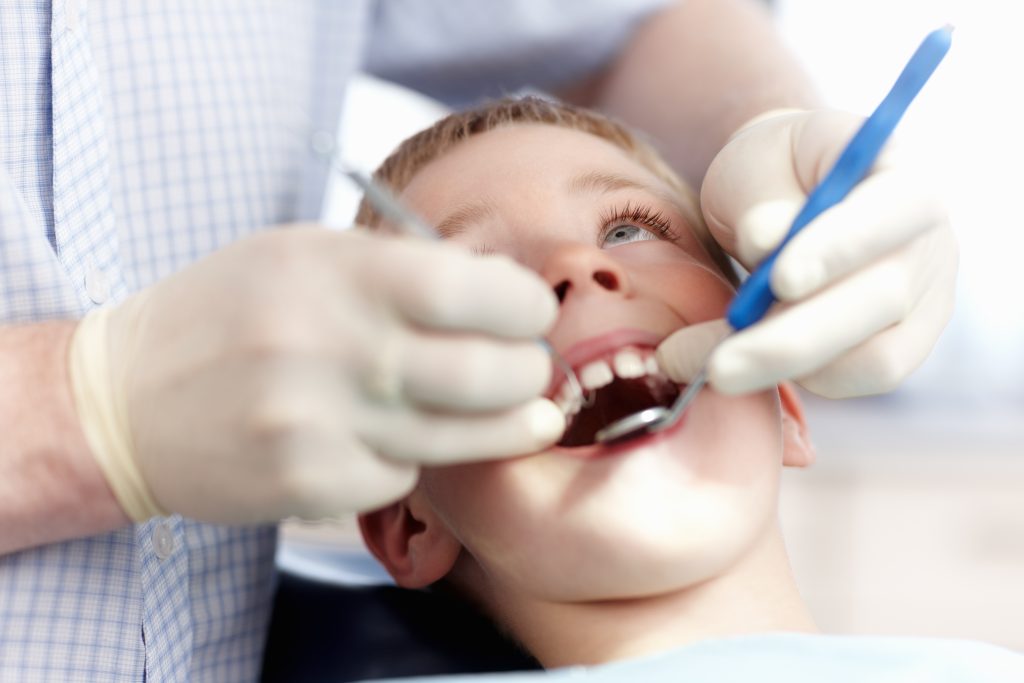
When Might Your Child Need a Space Maintainer?
Not every early loss of a baby tooth requires an appliance. Whether one is recommended depends on several factors, including which tooth was lost, your child’s age, the development of the permanent tooth, and how much space remains.
An orthodontist or dentist may recommend evaluating your child for a space maintainer if:
- A baby molar was lost earlier than expected.
- A tooth needed to be removed because of significant decay.
- An injury caused a baby tooth to fall out prematurely.
- Nearby teeth are beginning to shift toward the open space.
- There is a concern that the permanent tooth may not have enough room to erupt.
Baby molars are particularly important because they help maintain space for the permanent teeth that replace them. Your child’s dental provider can determine whether preserving that space is necessary.
What Are the Different Types of Space Maintainers?
There are several types of appliances used to preserve space after early tooth loss. The right option depends on your child’s dental development, the location of the missing tooth, and how long the space needs to remain open.
Fixed Space Maintainers
Fixed appliances attach to nearby teeth and stay in place until a dental professional removes them. They are not designed for children to take out on their own.
Some common designs include:
- Band-and-loop: A metal band attaches to a nearby tooth, with a loop extending across the empty space.
- Crown-and-loop: A dental crown on a nearby tooth supports a loop that holds the space open.
- Lower lingual holding arch: A fixed appliance that may help preserve space when multiple lower baby teeth are missing.
- Nance appliance: A fixed upper appliance that can help maintain space in certain situations.
Fixed space maintainers can be helpful for children who may have difficulty remembering to wear a removable appliance.
Removable Space Maintainers
Removable appliances are designed to be taken out and put back in according to the provider’s instructions. They may be considered in certain situations, depending on the child’s dental needs and ability to care for the appliance.
Children must follow the recommended wear schedule and keep the appliance clean. Parents may need to help younger children remember to wear and care for it.
Your child’s provider will explain which type is appropriate and how to use it safely.
What Are the Benefits of Space Maintainers?
The main purpose of a space maintainer is to preserve room for an incoming permanent tooth. Depending on your child’s situation, this may help:
- Reduce unwanted shifting: Helps prevent nearby teeth from moving into the space left by an early tooth loss.
- Preserve room for permanent teeth: Keeps the area available while the adult tooth develops and prepares to erupt.
- Support proper dental development: Helps maintain the spacing needed for the permanent tooth to emerge.
- Address potential spacing concerns early: May reduce the chance of certain problems caused by premature tooth loss.
A space maintainer does not guarantee that your child will avoid braces or future orthodontic treatment. However, preserving space when necessary can help prevent some complications associated with early tooth loss.
How Should You Care for a Space Maintainer?
Good oral hygiene is especially important when your child has a dental appliance. Food and plaque can collect around the device, so help your child maintain a consistent cleaning routine.
Here are a few helpful tips:
- Brush twice daily, paying attention to the teeth and areas around the appliance.
- Floss as directed by your child’s dental provider.
- Avoid sticky or especially hard foods that could damage or loosen the appliance.
- Attend recommended dental and orthodontic checkups.
- Contact your provider if the appliance becomes loose, damaged, or uncomfortable.
Never try to remove or adjust a fixed appliance at home. Your child’s dental provider can check the fit and make any necessary adjustments.
Find Out Whether Your Child Needs a Space Maintainer
Losing a baby tooth early doesn’t always mean your child will need additional treatment. However, having the area evaluated can help determine whether the remaining teeth are shifting and whether a space maintainer may be beneficial.
At Unique Orthodontics, we believe monitoring your child’s smile as it develops is an important part of early orthodontic care. Our team can evaluate your child’s dental development, answer your questions, and help you understand whether additional treatment or continued monitoring may be appropriate.
With eight convenient locations throughout the Central Valley, we’re here to help your family take the next step toward a healthy smile.
Have questions about your child’s dental development? Schedule a complimentary consultation with Unique Orthodontics today!
Frequently Asked Questions About Space Maintainers
At what age do children need space maintainers?
There is no single age when every child needs a space maintainer. These appliances may be recommended when a baby tooth is lost prematurely and the surrounding teeth could shift before the permanent tooth erupts.
Do all children who lose baby teeth early need a space maintainer?
No. The need depends on which tooth was lost, the child’s age, the development of the permanent tooth, and the amount of space available. A dental professional can evaluate these factors before recommending an appliance.
How long does a child need to wear a space maintainer?
The appliance generally stays in place until the permanent tooth is ready to erupt or the provider determines it is no longer needed. The timing varies depending on the child’s development and the tooth involved.
Can a space maintainer prevent my child from needing braces?
Not necessarily. A space maintainer can help preserve room for permanent teeth, but it cannot prevent every orthodontic concern. Some children may still need braces or other treatment as they grow.
Are space maintainers uncomfortable?
Children may need a short adjustment period as they get used to the appliance. Some initial awareness or mild irritation can occur, but persistent discomfort, soreness, or a loose appliance should be brought to the provider’s attention.