

If you’re thinking about straightening your teeth, you’ve probably considered two popular options: traditional braces and Invisalign®. Both treatments can help improve tooth alignment, but they work differently and offer different advantages.
When comparing braces vs. Invisalign, it’s important to consider more than just appearance. Your lifestyle, treatment goals, oral hygiene habits, and the complexity of your orthodontic concerns can all influence which option is right for you.
Let’s take a closer look at how these treatments compare so you can feel more confident about your decision.
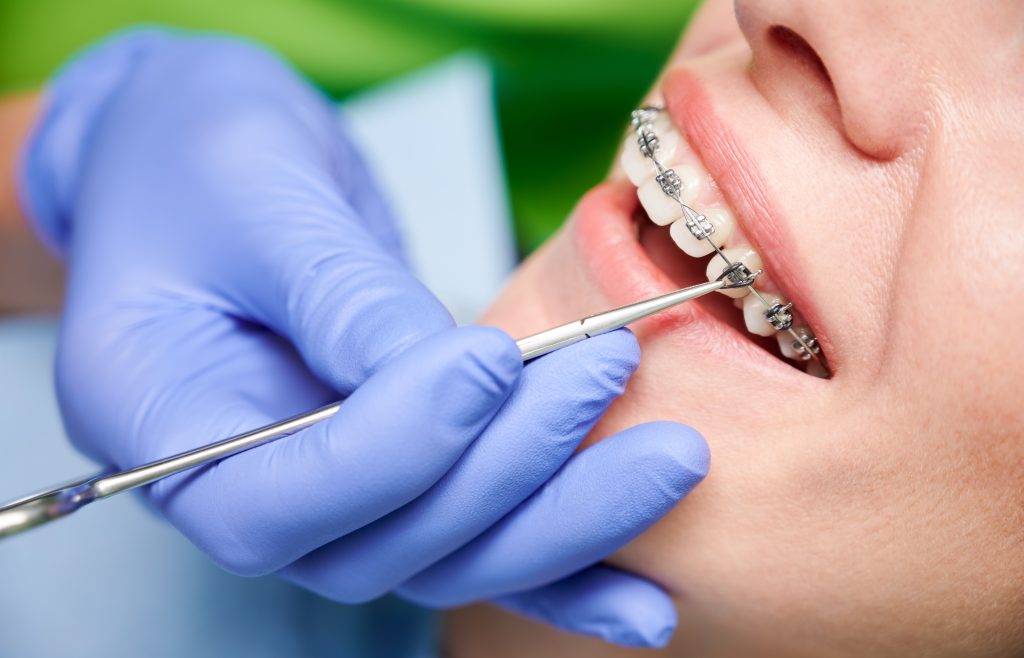
A Closer Look at Traditional Braces
Traditional metal braces use brackets attached to the teeth and connected by orthodontic wires. Together, these components apply controlled pressure to gradually move teeth into better alignment.
One of the biggest advantages of braces is that they stay in place throughout treatment. You don’t have to remember to put them back in after meals or worry about wearing them for a certain number of hours each day.
Braces can also address a wide range of orthodontic concerns, including crowding, spacing, and many bite problems.
However, there are a few things to consider before choosing this option:
- Appearance: Metal brackets and wires are visible when you smile.
- Food restrictions: Hard, crunchy, and sticky foods can damage brackets or wires.
- Oral hygiene: Brushing and flossing require extra care to clean around brackets and wires.
- Appointments: You’ll need periodic visits so your orthodontist can monitor your progress and make adjustments.
For patients who prefer a fixed treatment option or need more comprehensive bite correction, traditional braces may be a great choice.
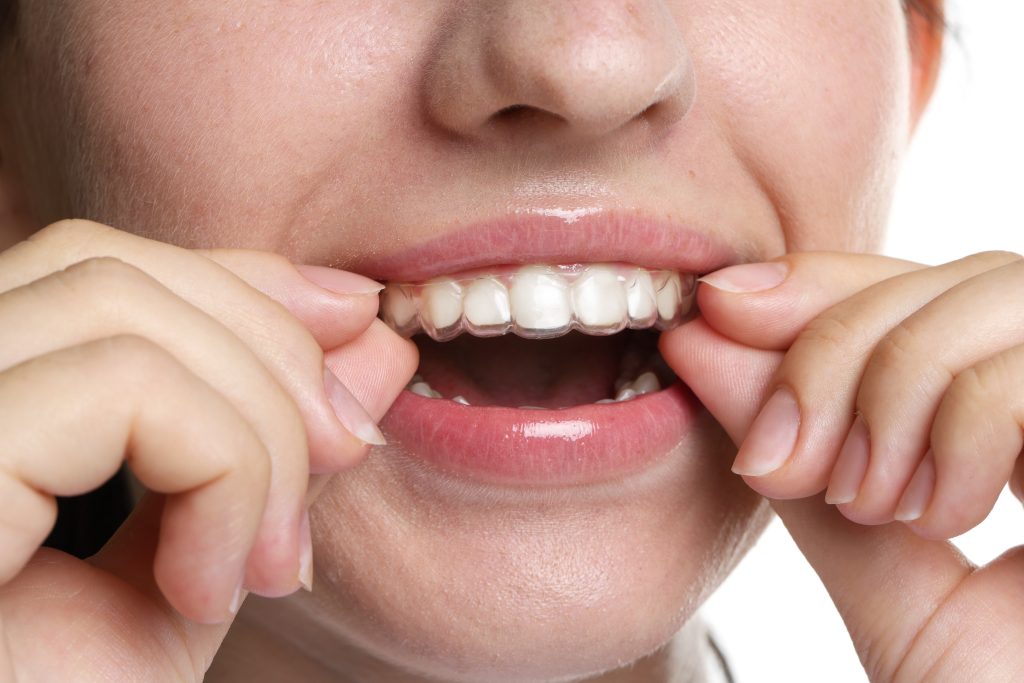
What About Invisalign®?
Invisalign uses a series of custom-made, transparent plastic aligners to gradually move your teeth. Each set is designed to make small adjustments, bringing your smile closer to its planned alignment over time.
One of the biggest reasons patients consider Invisalign is its discreet appearance. The clear aligners are less noticeable than traditional metal braces, making them appealing to many teens and adults.
Invisalign also offers flexibility because the aligners can be removed for meals, snacks, and oral hygiene.
Here are a few additional things to consider:
- Appearance: Clear aligners are designed to be less noticeable when worn.
- Removability: You can take them out when eating, drinking anything other than water, and brushing or flossing.
- Daily commitment: Most patients need to wear their aligners for 20–22 hours each day.
- Oral hygiene: You can brush and floss without working around brackets and wires.
- Food flexibility: You can continue enjoying your favorite foods, provided you remove your aligners first.
However, Invisalign requires consistency. If you frequently forget to wear your aligners or leave them out for too long, treatment may not progress as planned. Patients also need to clean their aligners regularly and keep track of them when they’re not wearing them.
Invisalign can treat many orthodontic concerns, but it isn’t the right fit for every case. Your orthodontist will need to evaluate your teeth and bite before recommending it.
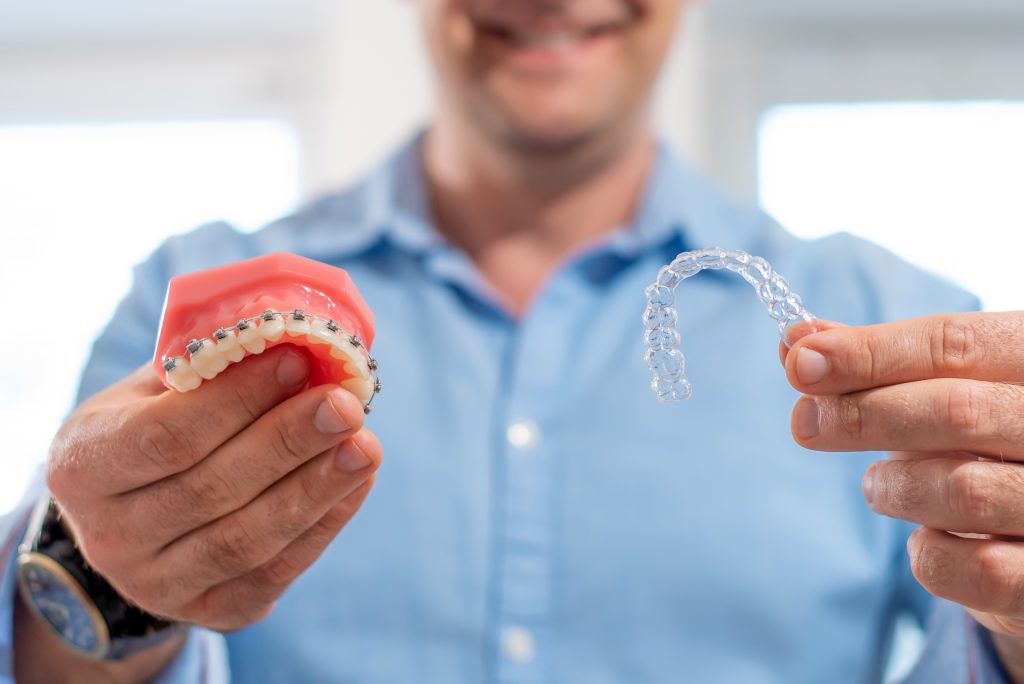
Braces vs. Invisalign: What’s the Difference?
Both options can help straighten teeth, but their differences may make one a better fit for your lifestyle.
| Feature | Traditional Braces | Invisalign |
|---|---|---|
| Appearance | Visible metal brackets and wires | Clear, less noticeable aligners |
| Removable | No | Yes |
| Eating | Some food restrictions | Remove aligners before eating |
| Oral hygiene | Requires cleaning around brackets and wires | Brush and floss normally after removing aligners |
| Daily commitment | Remain in place throughout treatment | Typically 20–22 hours of wear daily |
| Maintenance | Keep brackets and wires clean | Clean aligners and store them safely |
| Treatment suitability | Treats a wide range of orthodontic concerns | Appropriate for many, but not all, cases |
Neither option is automatically better for everyone. The best choice depends on your orthodontic needs and how well each treatment fits your everyday routine.
Which Option Is Better for Teens and Adults?
Age alone doesn’t determine whether someone should choose braces or Invisalign. Both treatments may be appropriate for teens and adults, depending on their dental development and orthodontic needs.
For teens: Traditional braces can be a good option for patients who may have difficulty keeping track of removable aligners or remembering to wear them consistently. Invisalign may also be appropriate for responsible teens who can follow the recommended wear schedule.
For adults: Many adults appreciate Invisalign’s discreet appearance and removable design. However, clear ceramic braces and traditional braces are also effective options for adults who want a fixed treatment.
The most important factor is choosing a treatment that addresses your alignment concerns while fitting your lifestyle.
Visit Unique Orthodontics to Compare Braces and Invisalign®
Still deciding between braces and Invisalign? You don’t have to make that decision alone.
At Unique Orthodontics, our team can evaluate your teeth, discuss your smile goals, and help you understand which treatment options may be appropriate for you. We offer traditional metal braces, clear ceramic braces, Damon braces, and Invisalign for eligible patients.
With eight convenient locations throughout the Central Valley and complimentary consultations, getting started is easy.
Ready to explore your options? Schedule your complimentary consultation with Unique Orthodontics today!
Frequently Asked Questions About Braces vs. Invisalign
Are braces faster than Invisalign?
Not necessarily. Treatment time depends on the complexity of your orthodontic concerns, the treatment plan, and how consistently you follow your orthodontist’s instructions. Neither option is guaranteed to work faster for everyone.
Is Invisalign more comfortable than braces?
Comfort varies from person to person. Invisalign does not have brackets or wires that can rub against the cheeks, but patients may experience pressure or temporary soreness when switching to a new set of aligners. Braces can also cause temporary soreness, especially after adjustments.
Can Invisalign fix an overbite or underbite?
Invisalign can address certain overbites and underbites, depending on their severity and cause. More complex bite concerns may require braces or a combination of orthodontic treatments. An evaluation is necessary to determine which option is appropriate.
Can I eat whatever I want with Invisalign?
You should remove your aligners before eating or drinking anything other than water. This allows you to enjoy your usual meals without worrying about damaging your aligners. Brush your teeth before putting them back in whenever possible.
Which is easier to maintain: braces or Invisalign?
Both require good oral hygiene. Braces need extra attention when brushing and flossing around brackets and wires. Invisalign allows you to remove your aligners to clean your teeth normally, but the aligners themselves also need regular cleaning.