

Invisalign® for teens can be an appealing option for young people who want to straighten their teeth without the appearance of traditional metal braces. The clear, removable aligners offer flexibility, but they’re not the right choice for every patient.
Before deciding whether Invisalign is a good fit for your teen, it’s important to consider their orthodontic needs, daily habits, and ability to follow treatment instructions. Here are a few things parents should know.
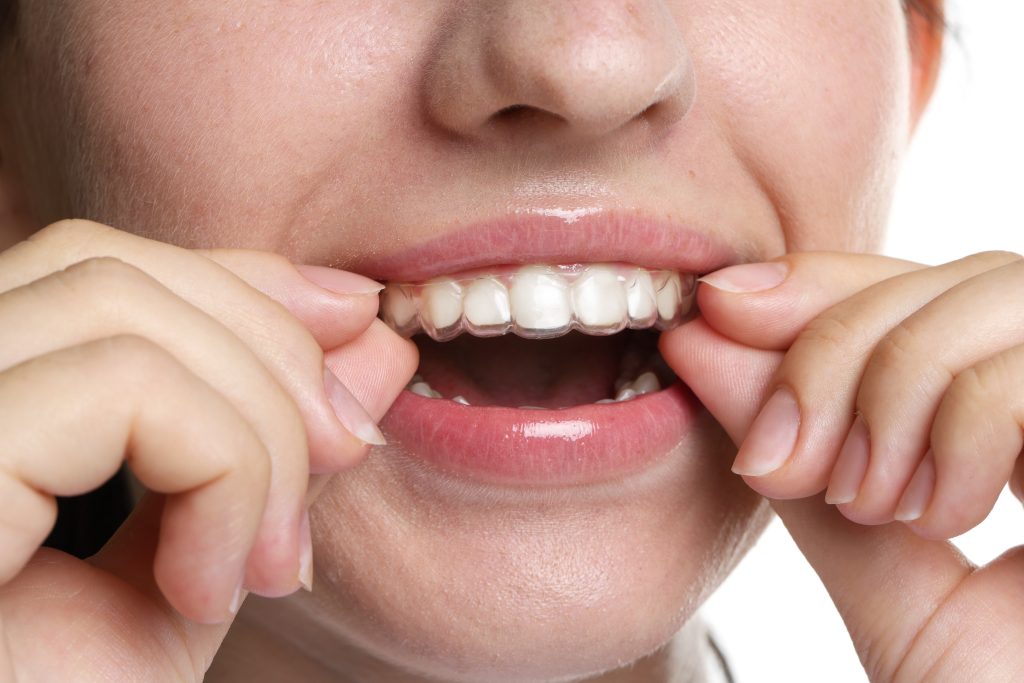
1. Is Your Teen Responsible Enough to Wear Aligners?
One of the biggest factors in Invisalign treatment is responsibility. Unlike traditional braces, clear aligners are removable, which means teens need to remember when to take them out and put them back in.
Aligners should generally be worn for 20 to 22 hours each day to keep treatment progressing as planned. Teens should remove them for meals, snacks, and drinks other than water, then put them back in afterward.
They also need to keep their aligners in a protective case when they’re not wearing them. Leaving trays in a lunchroom, wrapping them in a napkin, or forgetting them at a friend’s house can lead to lost or damaged aligners.
If your teen struggles to keep track of personal belongings or follow daily routines, fixed braces may be worth considering instead.

2. Does Your Teen Practice Good Oral Hygiene?
Good oral hygiene is essential during Invisalign treatment. Because aligners fit closely over the teeth, food particles and bacteria can become trapped underneath them if your teen doesn’t brush before putting them back in.
Encourage your teen to:
- Brush their teeth after meals and snacks before reinserting aligners.
- Floss daily to remove food and plaque between teeth.
- Clean aligners according to their orthodontist’s instructions.
- Rinse aligners when appropriate and avoid exposing them to hot water.
- Keep up with regular dental cleanings and checkups.
Building these habits helps support healthy teeth and gums throughout orthodontic treatment.

3. Will Your Teen Wear the Aligners Consistently?
Consistency is one of the most important parts of successful clear aligner treatment.
Teens may be tempted to remove their trays for longer than recommended during school, sports, social events, or other activities. However, wearing aligners for too little time each day can interfere with planned tooth movement.
Parents can help by encouraging a routine and reminding teens to keep their aligner case with them. Your teen should also understand that following the prescribed wear schedule is their responsibility.
If they aren’t ready to commit to wearing removable appliances consistently, fixed braces may offer a more practical solution.
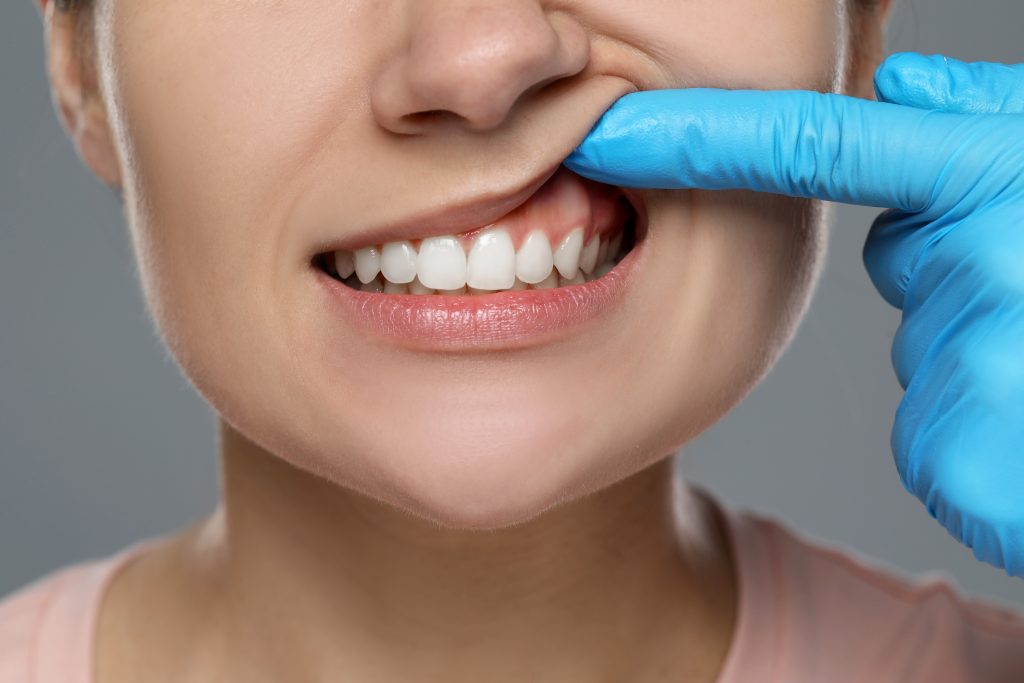
4. Are Your Teen’s Orthodontic Needs Suitable for Invisalign?
Responsibility isn’t the only factor. Your teen’s teeth, bite, and stage of dental development also matter.
Invisalign can address many common orthodontic concerns, including certain cases of:
- Crowded or overlapping teeth
- Gaps between teeth
- Mild to moderate bite concerns
- Crooked teeth
- Some overbites and underbites
However, more complex tooth movements or significant jaw discrepancies may require a different approach. Some teens may benefit more from traditional metal braces, clear ceramic braces, or another orthodontic treatment.
An orthodontist can evaluate your teen’s smile and determine whether clear aligners can achieve the desired results.
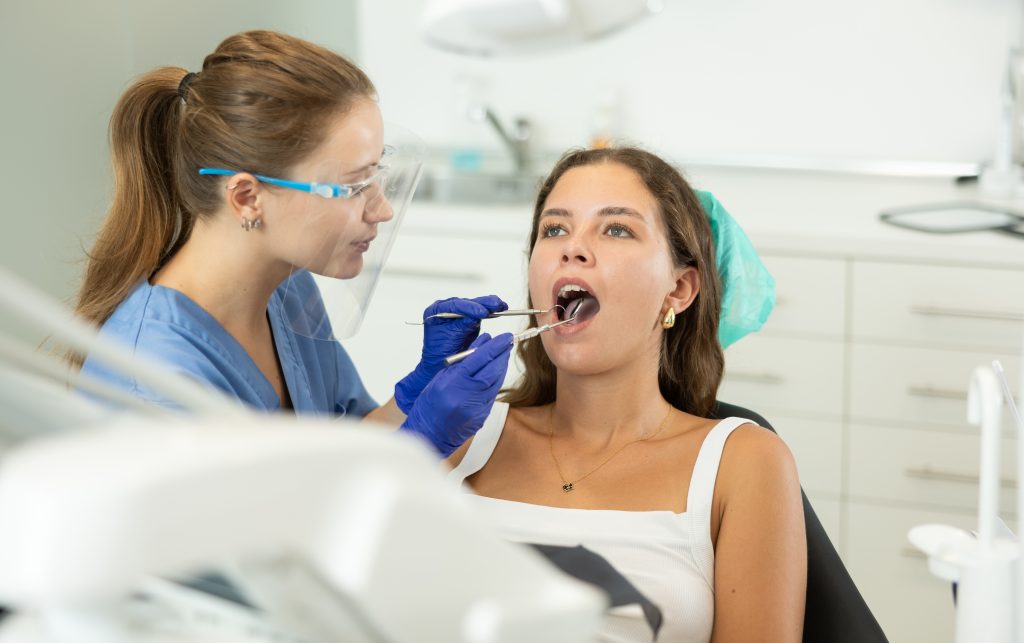
5. Is Your Teen Ready for the Invisalign Treatment Process?
Invisalign treatment involves more than wearing clear trays. Teens need to follow their treatment schedule, switch aligners as directed, attend checkups, and communicate with their orthodontist if something doesn’t feel right.
Parents should also understand the commitment involved. Helping your teen stay organized and encouraging good habits can make the treatment experience easier.
The best time to begin is when your teen understands the process and feels ready to participate in their own orthodontic care.
Explore Invisalign for Teens at Unique Orthodontics
Every teen’s smile is different, which is why an orthodontic evaluation is the best way to determine whether Invisalign is a suitable option.
At Unique Orthodontics, we offer several treatment options, including Invisalign, traditional metal braces, clear ceramic braces, and Damon braces. Our team can evaluate your teen’s teeth and bite, explain the available options, and help your family understand what to expect.
With eight convenient locations throughout the Central Valley, we’re here to help your teen take the next step toward a smile they feel confident sharing.
Wondering if Invisalign is right for your teen? Schedule a complimentary consultation with Unique Orthodontics to explore your options!
Frequently Asked Questions About Invisalign for Teens
Can every teenager get Invisalign?
No. Eligibility depends on the teen’s dental development, tooth alignment, bite concerns, and ability to follow the recommended wear schedule. An orthodontist can determine whether clear aligners are appropriate.
How many hours a day should teens wear Invisalign?
Teens generally need to wear their aligners for 20 to 22 hours per day. They should remove them for meals, snacks, and beverages other than water.
What happens if my teen forgets to wear their aligners?
Missing recommended wear time can interfere with planned tooth movement and may affect how well the next aligner fits. Your teen should follow their orthodontist’s instructions if they miss significant wear time rather than trying to make up for it without guidance.
Is Invisalign better than braces for teenagers?
Neither option is automatically better. Invisalign offers removable aligners, while braces stay attached to the teeth throughout treatment. The right choice depends on your teen’s orthodontic needs, daily habits, and treatment goals.
Can teens play sports while wearing Invisalign?
Yes, many teens can continue participating in sports during treatment. However, aligners should not replace a properly fitted athletic mouthguard when one is needed. Ask your orthodontist about the best way to protect your teen’s teeth during sports.