

Are your teeth crowded, overlapping, or spaced farther apart than you’d like? These are common orthodontic concerns that can affect both the appearance of your smile and how your teeth function.
Crowded teeth can make brushing and flossing more challenging, while noticeable gaps may leave you feeling self-conscious about your smile. Fortunately, orthodontic treatment can help address many spacing and alignment concerns.
At Unique Orthodontics, we help children, teens, and adults throughout Fresno and the Central Valley explore treatment options for crowded and spaced teeth.
Here’s what you should know about these common orthodontic concerns and how they can be treated.

What Causes Crowded or Spaced Teeth?
Tooth crowding and spacing can develop for several reasons, including genetics, jaw development, and the size or position of individual teeth.
Understanding Crowded Teeth
Crowding occurs when there isn’t enough room in the jaw for all the teeth to fit comfortably in their proper positions. This can cause teeth to overlap, twist, or become misaligned.
Crowded teeth may make it harder to clean certain areas thoroughly, allowing plaque and food debris to accumulate in harder-to-reach spaces.
Understanding Spaced Teeth
Spacing occurs when there are noticeable gaps between two or more teeth. These spaces can develop when teeth are smaller relative to the available jaw space, when certain teeth are missing, or because of differences in dental development.
Some patients have naturally occurring gaps, while others notice spacing develop as their teeth shift over time.
Why Should You Address Crowding and Spacing?
Orthodontic treatment isn’t just about creating a straighter smile. Improving tooth alignment may also make everyday oral hygiene easier and help address certain bite concerns.
Here are a few reasons patients consider treatment:
- Easier brushing and flossing: Correcting overlapping teeth may make it easier to reach certain areas when cleaning.
- Improved bite alignment: Properly positioned teeth can help improve how your upper and lower teeth come together.
- More balanced appearance: Treatment can help reduce noticeable gaps and crowding for a more even-looking smile.
- Addressing uneven tooth wear: Certain alignment and bite concerns can contribute to uneven wear, which an orthodontist can evaluate.
The right treatment depends on the cause and severity of the spacing or crowding.

How Does an Orthodontist Evaluate Crowded or Spaced Teeth?
Before recommending treatment, an orthodontist will examine your teeth, bite, and overall oral health.
Your evaluation may include:
- Reviewing your dental and medical history
- Examining your teeth and how your bite fits together
- Taking digital scans or other diagnostic records
- Evaluating jaw development and available space
- Discussing your treatment goals and options
In some cases, additional dental care may be recommended before orthodontic treatment begins.
If crowding is related to limited space, your orthodontist will determine the most appropriate way to address it. Depending on the situation, treatment may involve orthodontic appliances, space management, or, in certain cases, tooth extractions.
Extractions are not automatically necessary for crowded teeth. The recommendation depends on your individual orthodontic needs.
Orthodontic Treatment Options for Crowded and Spaced Teeth
Depending on the severity of your alignment concerns, there are several ways to improve the position of your teeth.
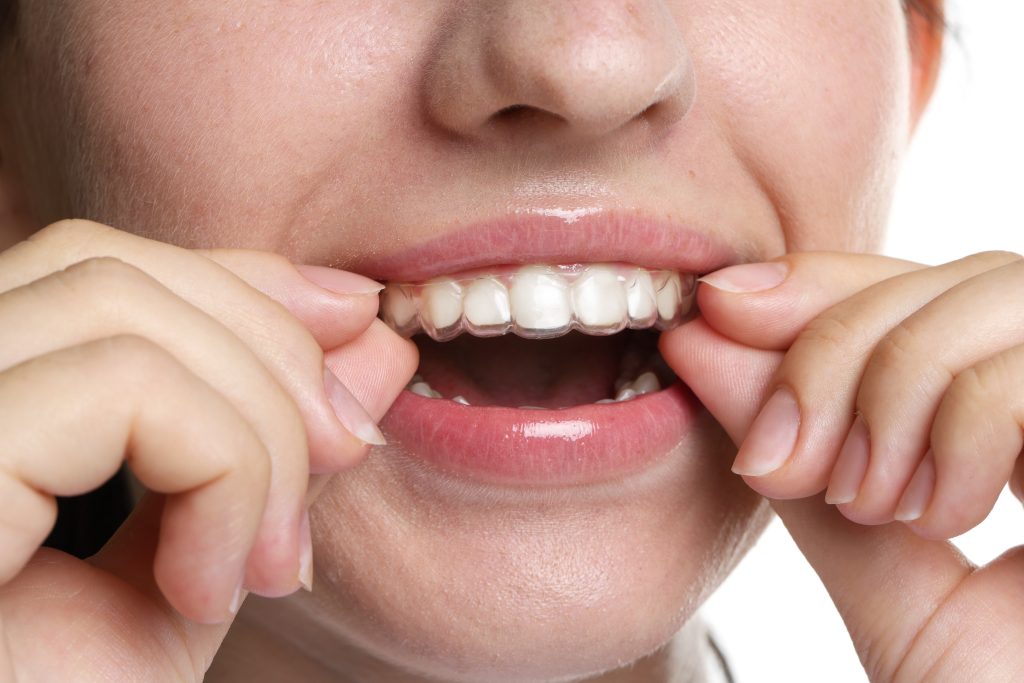
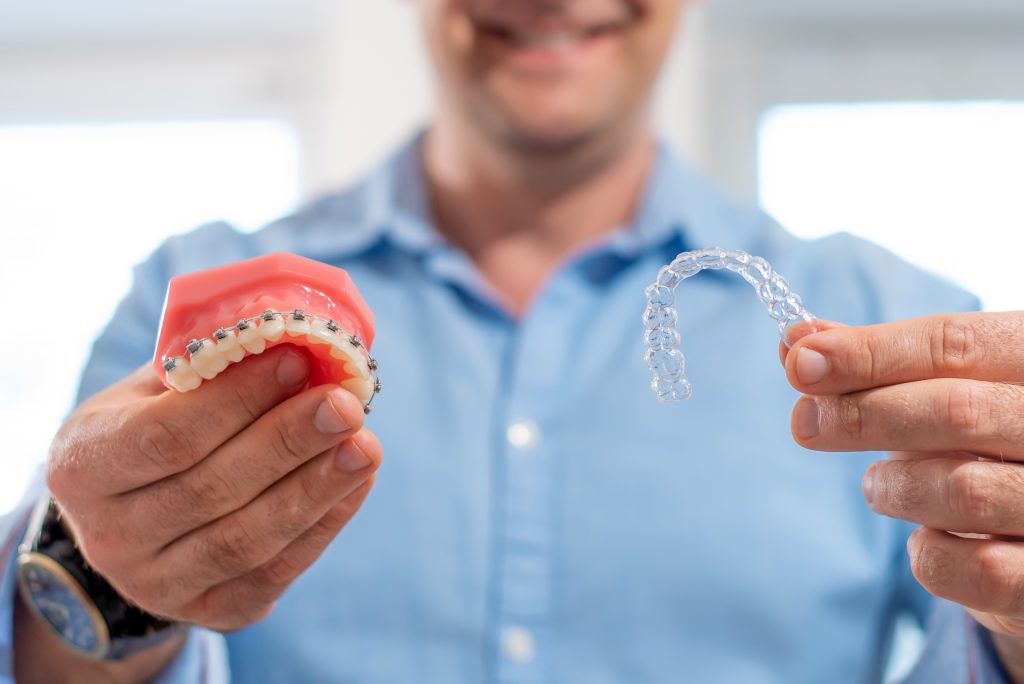
1. Invisalign® Clear Aligners
For eligible patients, Invisalign uses a series of custom-made clear aligners to gradually move teeth into planned positions.
The removable aligners are designed to fit over your teeth and are typically worn approximately 20–22 hours per day. You remove them for meals, drinks other than water, brushing, and flossing.
Patients receive a series of aligners and switch to the next set according to their orthodontist’s instructions.
Invisalign can address many mild to moderate crowding and spacing concerns, although some more complex cases may require a different treatment approach.
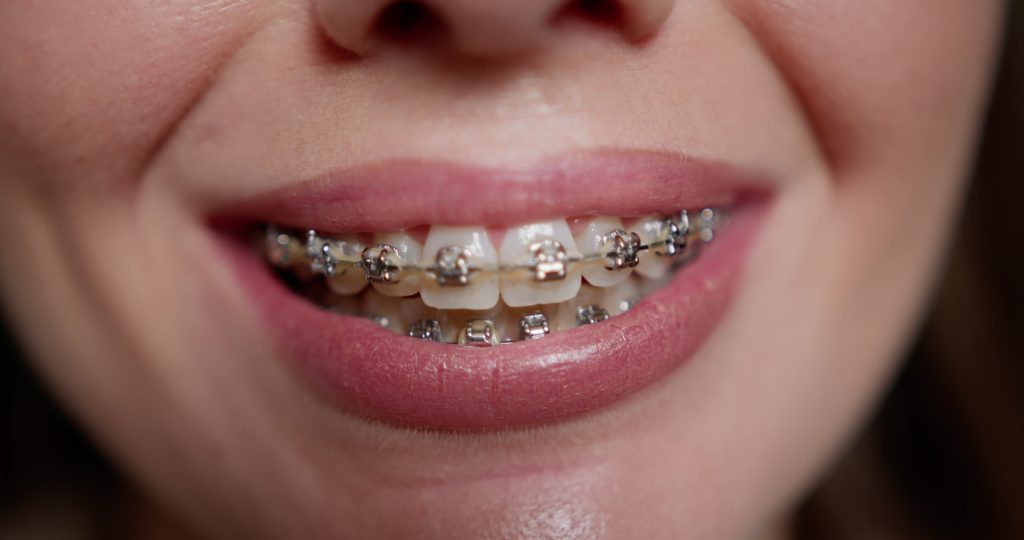
2. Traditional Metal Braces
Traditional metal braces are a fixed orthodontic option that can address a wide range of crowding, spacing, and bite concerns.
They use brackets attached to the teeth and an archwire that gradually guides teeth into their planned positions.
Because they remain attached throughout treatment, you don’t have to remember to put them back in after meals. Your orthodontist will monitor your progress and make adjustments as needed.
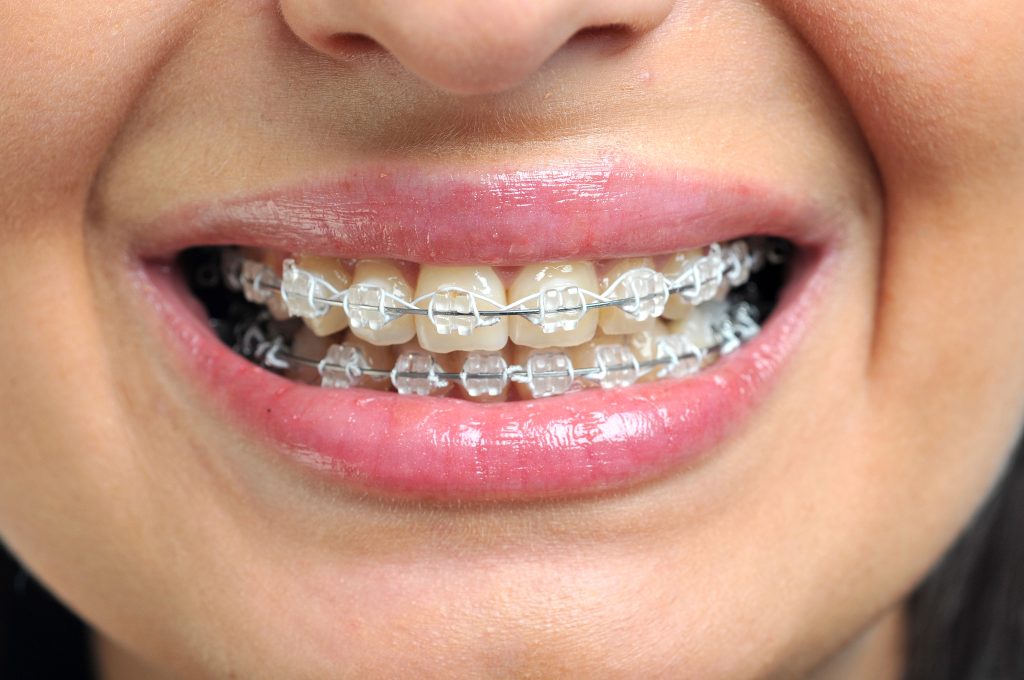
3. Clear Ceramic Braces
If you prefer a less noticeable fixed treatment option, clear ceramic braces may be worth considering.
These braces use tooth-colored or clear brackets that blend more naturally with your teeth. They work similarly to traditional braces while offering a more subtle appearance.
Clear ceramic braces can be an appealing choice for teens and adults who want the benefits of fixed orthodontic treatment without the look of traditional metal brackets.
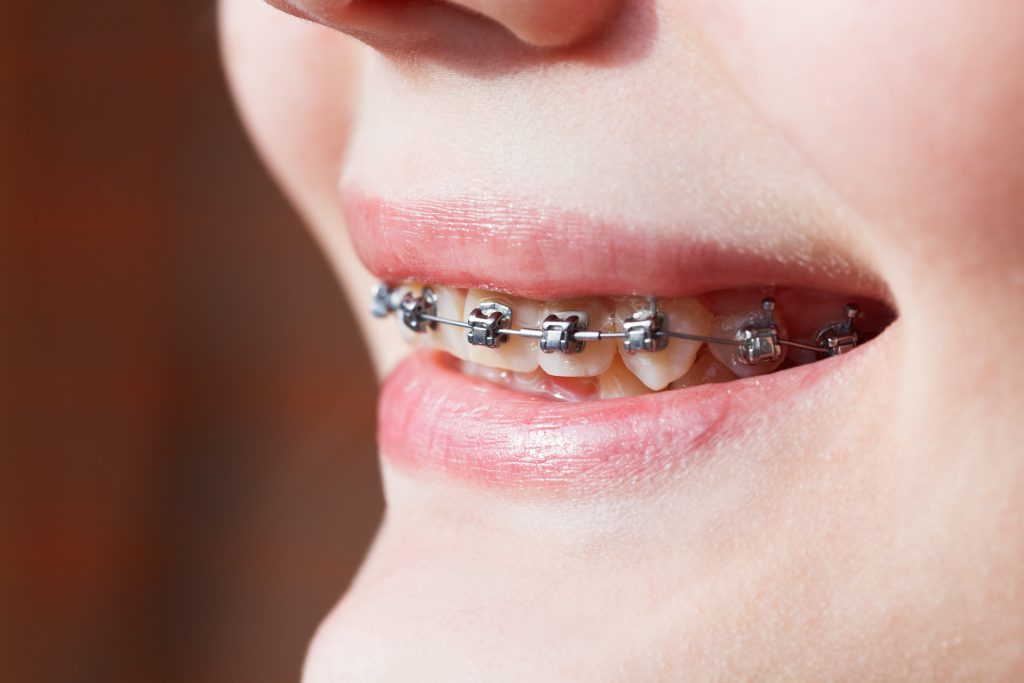
4. Damon Self-Ligating Braces
Damon braces use a self-ligating bracket system with a built-in mechanism to hold the archwire in place instead of traditional elastic ties.
They are available in both metal and clear bracket options, giving patients another choice when considering fixed braces.
Damon braces can address many alignment and bite concerns, depending on the patient’s individual needs.
How Long Does Treatment Take?
The length of orthodontic treatment depends on several factors, including:
- The amount of crowding or spacing
- Whether bite correction is also needed
- The type of orthodontic treatment selected
- How consistently removable aligners are worn
- How your teeth respond to treatment
Some patients may complete treatment sooner than others, while more complex cases may require additional time.
Your orthodontist can provide an estimated timeline after evaluating your smile and creating a treatment plan.
Find Treatment for Crowded or Spaced Teeth at Unique Orthodontics
Whether you’re concerned about overlapping teeth, noticeable gaps, or an uneven bite, you don’t have to figure out your treatment options alone.
At Unique Orthodontics, we offer several orthodontic solutions for children, teens, and adults, including Invisalign, traditional metal braces, clear ceramic braces, and Damon braces.
Our team provides complimentary consultations to help you understand your orthodontic needs and explore the options available.
With eight convenient offices throughout the Central Valley, including Fresno Cedar and Fresno Shaw, we’re here to help you take the next step toward a smile you feel confident sharing.
Ready to get started? Schedule your complimentary consultation with Unique Orthodontics today!
Frequently Asked Questions About Teeth Crowding and Spacing
Can crowded teeth be fixed without braces?
Yes! Some patients with mild to moderate crowding may be candidates for Invisalign clear aligners. However, the best treatment depends on the complexity of the alignment concern and your overall bite.
Can Invisalign fix gaps between teeth?
Yes. Invisalign can treat many spacing concerns by gradually moving teeth closer together. Your orthodontist will determine whether clear aligners are appropriate for your specific case.
Do crowded teeth always require tooth extractions?
No. Tooth extractions are not necessary for every patient with crowded teeth. An orthodontist will evaluate your available space, tooth positions, and bite before determining whether extractions or another approach may be appropriate.
Is it bad to have gaps between your teeth?
Not necessarily. Some people naturally have spaces between their teeth without experiencing any problems. However, certain spacing concerns may be related to missing teeth, tooth size, or other dental conditions that an orthodontist can evaluate.
At what age should crowded teeth be evaluated?
The American Association of Orthodontists recommends that children have their first orthodontic evaluation by age 7. This allows an orthodontist to monitor developing teeth and jaws and identify concerns that may benefit from early treatment.
How long does it take to fix crowded teeth?
Treatment time varies based on the severity of crowding, the type of treatment, and individual factors. Your orthodontist can provide a more personalized estimate after examining your teeth and bite.