

Completing Invisalign® treatment is an exciting milestone, but keeping your newly straightened smile takes continued care. Once your teeth reach their planned positions, your orthodontist will recommend a retainer to help prevent them from gradually shifting back.
Whether you’ve recently finished Invisalign or are considering clear aligner treatment, understanding the role of an Invisalign retainer can help you protect your results for years to come. Here’s what you should know about retainers, why they matter, and how to care for your smile after treatment.
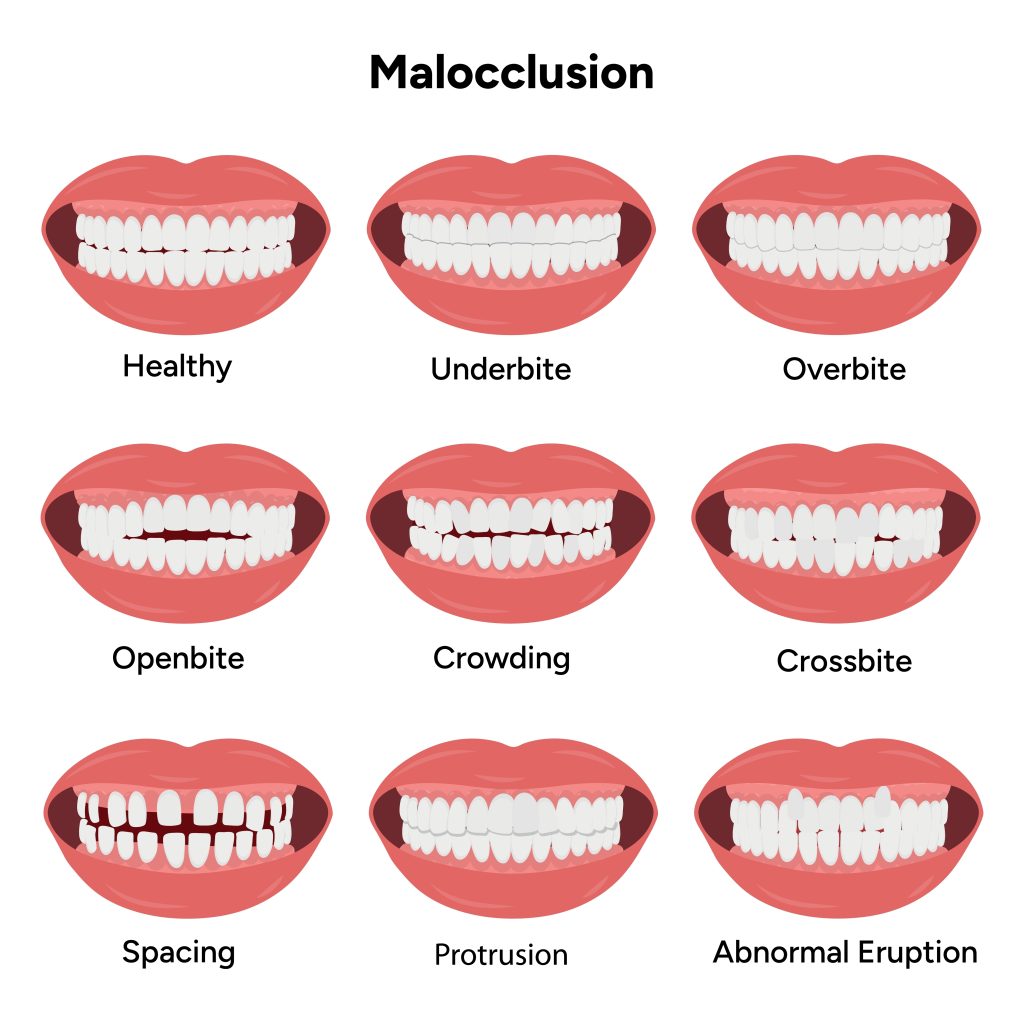
What Is Malocclusion?
Malocclusion is the dental term for a problem with how the upper and lower teeth fit together. It can include several alignment concerns, such as:
- Overbite: The upper front teeth overlap the lower front teeth more than expected.
- Underbite: The lower teeth extend in front of the upper teeth.
- Crowding: There isn’t enough room for the teeth to line up properly.
- Spacing: Gaps appear between the teeth.
- Crossbite: Some upper teeth sit inside the lower teeth when biting down.
These concerns can develop because of genetics, jaw development, childhood habits, or other factors. Depending on the individual case, orthodontic treatment may help improve tooth alignment and bite relationships.
Invisalign uses a series of custom-made, clear aligners to gradually move teeth into planned positions. Unlike traditional metal or ceramic braces, the aligners can be removed for meals, drinking beverages other than water, brushing, and flossing.
However, straightening your teeth is only part of the process. Once active treatment ends, retainers help maintain the results.
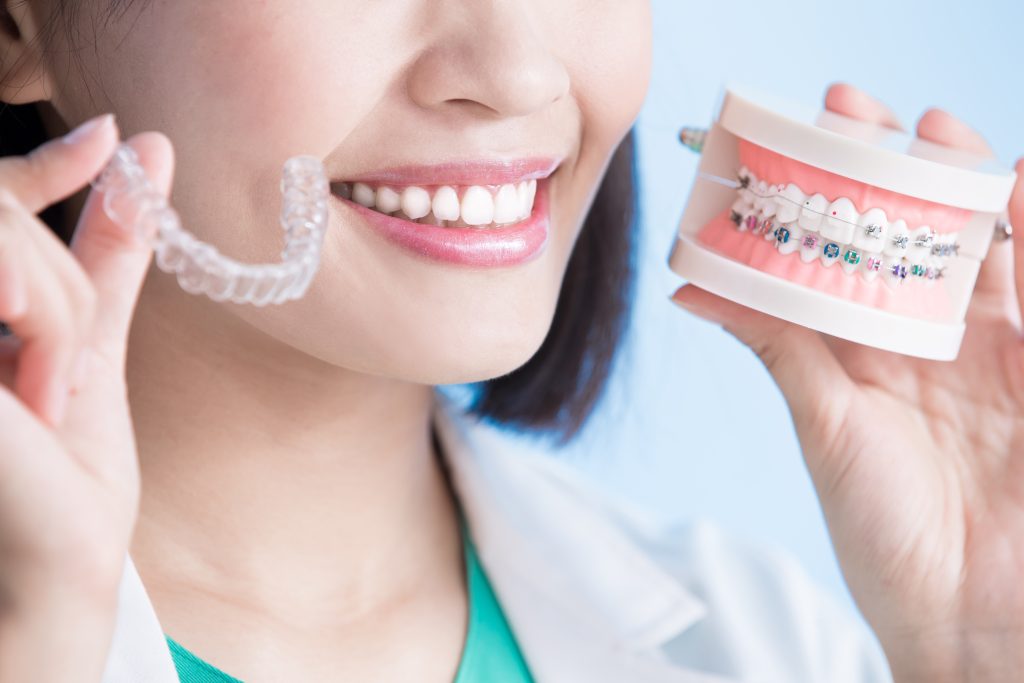
What’s the Difference Between Invisalign Aligners and Retainers?
Although they may look similar, aligners and retainers have different purposes.
Invisalign Aligners: Straightening Your Teeth
During active treatment, patients wear a series of custom-made clear aligners. Each set applies controlled pressure to gradually move the teeth according to the orthodontist’s treatment plan.
Most patients need to wear their aligners for approximately 20 to 22 hours per day, removing them only as instructed. They switch to the next set according to their orthodontist’s schedule.
The length of treatment depends on the complexity of the case and how consistently the patient follows the prescribed wear schedule.
Retainers: Maintaining Your Results
After active orthodontic treatment, retainers help keep teeth in their new positions while the surrounding tissues adapt. Teeth can naturally shift over time, even after successful orthodontic treatment.
Your orthodontist will recommend the appropriate type of retainer and explain how often to wear it. Some patients may initially need to wear their retainers more frequently before transitioning to nighttime wear.
Consistent retainer use is important for maintaining your results long term.
Why Is Wearing a Retainer So Important?
Once braces or clear aligners have moved your teeth, they don’t automatically stay in those positions forever. The tissues surrounding your teeth continue adapting, and natural changes can cause teeth to shift.
Wearing your retainer as directed can help:
- Maintain tooth alignment: Helps keep your teeth in their corrected positions.
- Protect your orthodontic investment: Supports the results you worked toward during treatment.
- Reduce unwanted shifting: Helps minimize the chance of teeth moving out of alignment.
- Maintain your smile: Encourages long-term stability after active treatment.
Retainers don’t permanently prevent every change in tooth position. However, following your orthodontist’s instructions gives your smile the best chance of staying aligned.
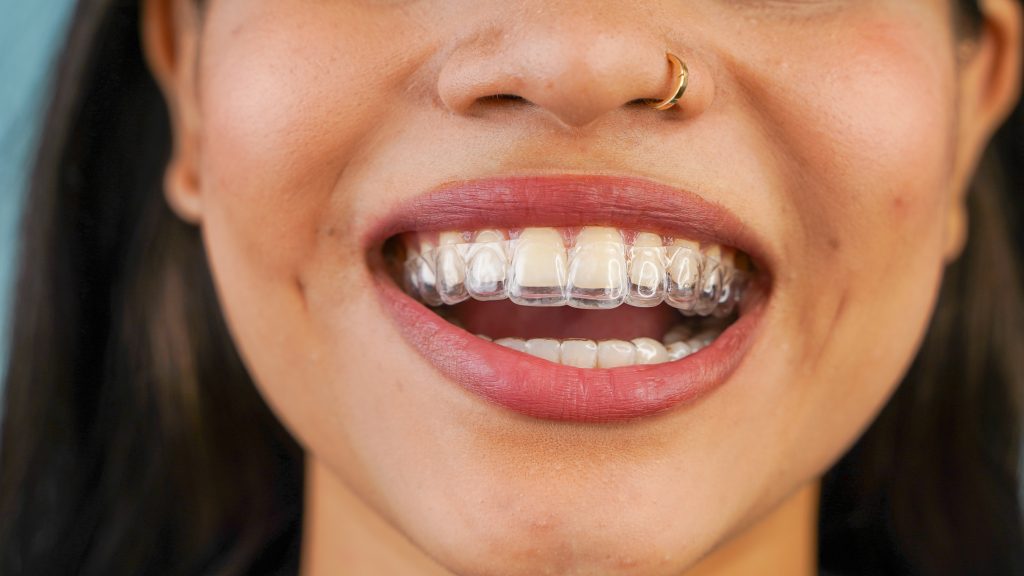
How Do You Care for Your Invisalign Retainer?
Keeping your retainer clean and in good condition is an important part of maintaining your smile.
Here are a few simple habits to follow:
- Clean it regularly: Follow your orthodontist’s instructions for cleaning your retainer.
- Use cool or lukewarm water: Avoid hot water, which can warp certain retainers.
- Store it safely: Keep it in its protective case whenever you’re not wearing it.
- Handle it carefully: Avoid bending or damaging the appliance when removing or cleaning it.
- Wear it as directed: Follow your orthodontist’s recommended schedule, even when your smile looks perfectly straight.
If your retainer becomes damaged, feels unusually tight, or no longer fits properly, contact your orthodontist. Don’t force it into place.
What Happens If You Stop Wearing Your Retainer?
Skipping retainer wear can allow your teeth to gradually shift. You may notice small changes in spacing, crowding, or the way your teeth fit together.
If you haven’t worn your retainer for a while, don’t assume it will still fit correctly. Contact your orthodontist for guidance before trying to force it over your teeth.
In some cases, additional orthodontic treatment may be necessary if significant shifting has occurred.
Protect Your Smile With Unique Orthodontics
Finishing orthodontic treatment is something to celebrate, and maintaining those results is an important part of the journey.
At Unique Orthodontics, we help patients explore orthodontic treatment options and understand how to care for their smiles after treatment. Whether you’re interested in Invisalign or have questions about maintaining your results with a retainer, our team is happy to help.
With eight convenient locations throughout the Central Valley, we’re here to support you at every stage of your orthodontic journey.
Ready to learn more about Invisalign or retainer care? Schedule a complimentary consultation with Unique Orthodontics today!
Frequently Asked Questions About Invisalign Retainers
Is an Invisalign retainer the same as an Invisalign aligner?
No. Invisalign aligners gradually move teeth during active treatment, while retainers help maintain their positions after orthodontic treatment is complete. Although they may look similar, they serve different purposes.
How long do I need to wear my retainer after Invisalign?
Retainer wear is a long-term commitment. Your orthodontist will provide a personalized schedule, which may include more frequent wear initially and nighttime wear afterward. Consistent use helps maintain your results.
Can I use my last Invisalign tray as a retainer?
Your final aligner may sometimes serve as a temporary backup if your orthodontist recommends it. However, aligners are designed to move teeth, while retainers are designed to maintain their positions. Ask your orthodontist before relying on your last tray for long-term retention.
What happens if I lose my Invisalign retainer?
Contact your orthodontist as soon as possible to discuss getting a replacement. Avoid going without a retainer for an extended period, since your teeth may begin shifting.
Can teeth shift even after Invisalign treatment?
Yes. Teeth can naturally move throughout life, even after successful orthodontic treatment. Wearing your retainer according to your orthodontist’s instructions helps reduce unwanted shifting.
Do I need a retainer if my teeth look straight?
Yes. Even if your smile looks perfectly aligned, your teeth can still shift over time. Retainers help preserve your orthodontic results and are an important part of long-term smile maintenance.