

Sometimes, maintaining a healthy smile requires more than routine dental care. Certain conditions involving the teeth, gums, jaw, or surrounding facial structures may require specialized treatment from an oral surgeon.
Oral and maxillofacial surgeons are dental specialists who perform surgical procedures involving the mouth, teeth, jaws, and face. While many dental concerns can be treated by a general dentist or orthodontist, others may require a more advanced approach.
At Unique Orthodontics, our team evaluates tooth alignment, bite concerns, and jaw development. If your orthodontic evaluation reveals a concern that may require surgical care, we can help you understand your options and determine whether a referral to another specialist may be appropriate.
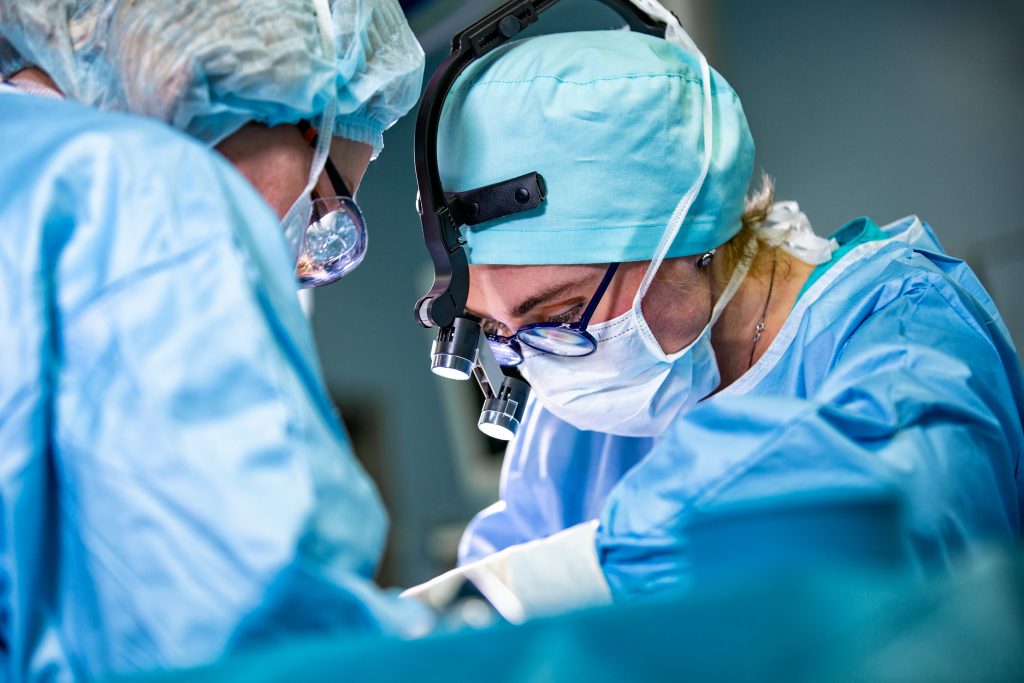
Common Reasons to See an Oral Surgeon
There are several reasons a dentist or orthodontist may recommend an oral surgery consultation. Here are some of the most common situations.
1. Impacted or Problematic Wisdom Teeth
Wisdom teeth are the last molars to develop, usually appearing during the late teenage years or early adulthood. Sometimes, there isn’t enough room for them to emerge properly. When this happens, they may become impacted, meaning they remain partially or completely trapped beneath the gums.
Impacted or problematic wisdom teeth may contribute to:
- Pain or tenderness near the back of the mouth
- Swollen or irritated gums
- Repeated infections
- Difficulty cleaning the area
- Damage or pressure affecting nearby teeth
An oral surgeon can examine the position of your wisdom teeth and determine whether removal is recommended. Not everyone needs their wisdom teeth extracted, so an individual evaluation is important.
2. Severely Damaged or Infected Teeth
Tooth decay can sometimes progress to the point where a tooth cannot be restored with a filling or crown. In other cases, a serious dental injury may leave a tooth too damaged to repair.
Depending on the situation, treatment may involve:
- Root canal treatment: A general dentist or endodontist may be able to remove infected tissue from inside the tooth and help preserve it.
- Routine extraction: A general dentist can often remove a tooth that cannot be saved.
- Surgical extraction: An oral surgeon may be needed when a tooth is impacted, broken below the gumline, or difficult to remove.
The goal is to determine whether the tooth can be preserved or whether removal is the most appropriate option.
3. Jaw Injuries and Corrective Jaw Surgery
The jaw supports important everyday functions, including speaking, chewing, and biting. A significant facial injury or skeletal jaw discrepancy may require evaluation by an oral and maxillofacial surgeon.
Corrective jaw surgery, also known as orthognathic surgery, may be recommended for certain conditions involving the position or structure of the upper or lower jaw.
In some cases, orthodontic treatment is coordinated with surgery. Braces or other orthodontic appliances may help position the teeth before surgery and refine the bite afterward.
An orthodontist and oral surgeon work together when this type of treatment is appropriate. Not every jaw or bite concern requires surgery.
4. Facial and Dental Injuries
Accidents, falls, and sports injuries can cause damage to the teeth, jaw, and surrounding facial structures. Depending on the severity, a patient may need specialized surgical care.
An oral surgeon may evaluate injuries involving:
- Fractured or displaced jawbones
- Severely damaged teeth
- Injuries to the mouth or facial bones
- Complications involving the teeth and surrounding tissues
Serious facial injuries, uncontrolled bleeding, or difficulty breathing or swallowing require immediate emergency medical attention.
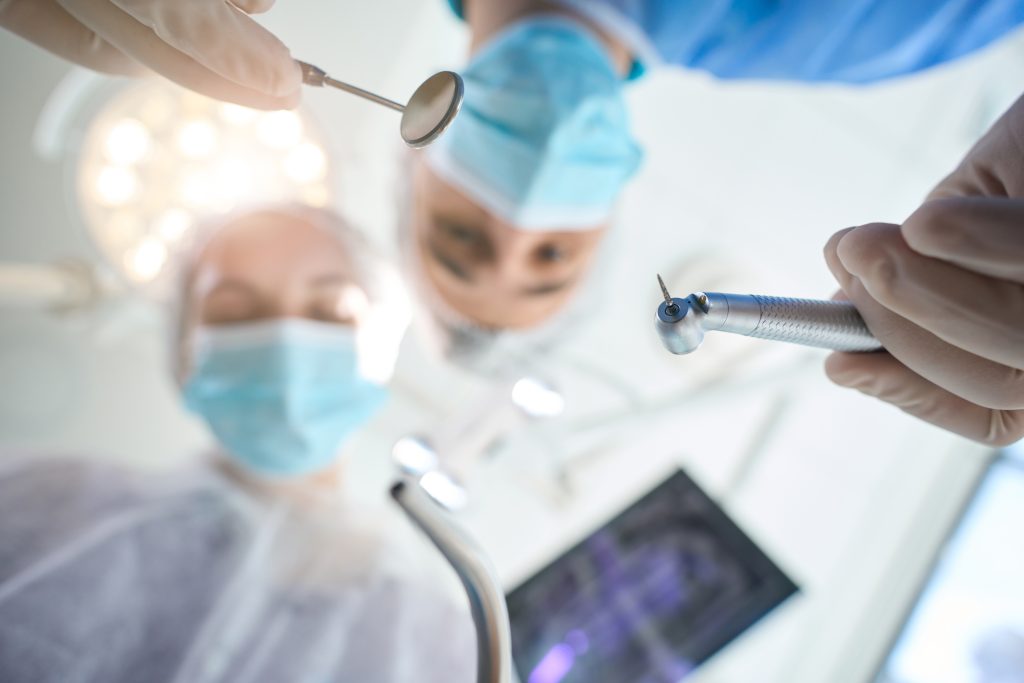
What Happens During an Oral Surgery Consultation?
If your dentist or orthodontist recommends seeing an oral surgeon, the specialist will evaluate your concerns and discuss possible treatment options.
Your consultation may include:
- Reviewing your medical and dental history: The surgeon will ask about your symptoms, previous procedures, and overall health.
- Examining your mouth and jaw: The specialist will evaluate the affected area and look for signs of injury, infection, or other concerns.
- Reviewing imaging: X-rays or other imaging may help determine the position of teeth and the condition of surrounding structures.
- Discussing treatment options: The surgeon will explain whether surgery is recommended, what the procedure involves, and what recovery may look like.
If you need orthodontic treatment as part of a larger treatment plan, your orthodontist and oral surgeon can coordinate care.

How Unique Orthodontics Can Help
At Unique Orthodontics, our focus is on helping patients achieve healthy, well-aligned smiles. We evaluate tooth positioning, bite concerns, and jaw development to help determine which orthodontic options may be appropriate.
Although we do not perform oral surgery, our orthodontic team can help identify concerns that may benefit from an evaluation with an oral and maxillofacial surgeon. For patients who need corrective jaw surgery, orthodontic treatment may be an important part of the overall process.
With eight convenient offices throughout the Central Valley, we make it easier for families to access orthodontic care. We also offer complimentary consultations to help you understand your treatment options.
Have questions about your teeth, bite, or jaw alignment? Schedule a complimentary consultation with Unique Orthodontics today!
Frequently Asked Questions About Oral Surgeons
What is the difference between a dentist and an oral surgeon?
A general dentist provides routine dental care, including cleanings, fillings, and many tooth extractions. An oral and maxillofacial surgeon completes additional specialty training to perform more complex surgical procedures involving the teeth, jaws, mouth, and facial structures.
Do all wisdom teeth need to be removed by an oral surgeon?
No. Some wisdom teeth can be removed by a general dentist, while impacted or more complicated cases may require an oral surgeon. The recommendation depends on the position of the teeth and the complexity of the extraction.
Can an oral surgeon save a severely decayed tooth?
It depends on the condition of the tooth. Some damaged or infected teeth can be preserved with root canal treatment and a restoration. If the tooth cannot be saved, extraction may be necessary. A dentist or appropriate specialist can help determine the best option.
Will I need braces before or after jaw surgery?
Some patients need orthodontic treatment both before and after corrective jaw surgery. Braces help position the teeth so the upper and lower jaws can work together properly after surgery. Treatment plans vary depending on the patient’s needs.
Does seeing an orthodontist mean I need oral surgery?
No. Most orthodontic concerns can be evaluated for treatment with braces or clear aligners. An orthodontist may recommend an oral surgery consultation only when a patient’s specific condition requires additional evaluation or care.