

Are you wondering whether braces are right for you? Maybe you’ve noticed that your teeth aren’t as straight as you’d like, or you’ve been dealing with crowding, gaps, or bite concerns. Whatever has you considering orthodontic treatment, you’re not alone!
Braces have come a long way over the years. Today’s options offer more choices in appearance and treatment, making it easier for teens and adults to find an approach that fits their needs.
But how do you know if you actually need braces? Let’s look at some common signs that it may be time to schedule an orthodontic evaluation.

5 Signs You May Need Braces
Not everyone needs braces, but certain dental and bite concerns may benefit from orthodontic treatment. Here are five things to look out for.
1. Your Teeth Are Crowded or Overlapping
Crowded teeth happen when there isn’t enough room for all your teeth to fit comfortably in your dental arches. You may notice teeth overlapping, twisting, or sitting behind one another.
Crowding can make brushing and flossing more difficult because certain areas are harder to reach. Braces can help move teeth into better alignment and create a more even smile.
2. You Have Gaps Between Your Teeth
Noticeable spaces between teeth may be another reason to consider braces. Gaps can occur naturally or develop because of missing teeth, differences in tooth size, or other factors.
Depending on the cause and amount of spacing, orthodontic treatment may help bring teeth closer together and improve your overall alignment.
3. Your Bite Doesn’t Feel Right
Your upper and lower teeth should fit together comfortably when you close your mouth. If they don’t, you may have a bite concern that an orthodontist can evaluate.
Common bite issues include:
- Overbite: The upper front teeth overlap the lower front teeth more than expected.
- Underbite: The lower front teeth sit in front of the upper front teeth.
- Crossbite: Some upper teeth sit inside the lower teeth when biting down.
- Open bite: Some upper and lower teeth don’t touch when the mouth is closed.
Braces can help correct many bite concerns, depending on their severity and underlying cause.
4. You Have Difficulty Cleaning Certain Teeth
When teeth overlap or sit too close together, brushing and flossing can become more challenging. Food and plaque may collect in areas that are difficult to reach.
Straightening crowded teeth may make your smile easier to clean, although good oral hygiene remains important before, during, and after orthodontic treatment.
5. You’re Not Happy With Your Smile
Sometimes, the biggest reason to consider braces is simply wanting to feel more confident about your smile.
Whether you have crooked teeth, uneven spacing, or alignment concerns you’ve noticed for years, orthodontic treatment may help you achieve the smile you’ve been hoping for.
You don’t need to wait until a dental issue becomes uncomfortable to explore your options. A consultation can help you understand what may be possible.
What Types of Braces Can You Choose From?
If an orthodontist determines that braces are a good option, you may have several treatments to consider.
At Unique Orthodontics, we offer different options depending on your orthodontic needs and preferences.
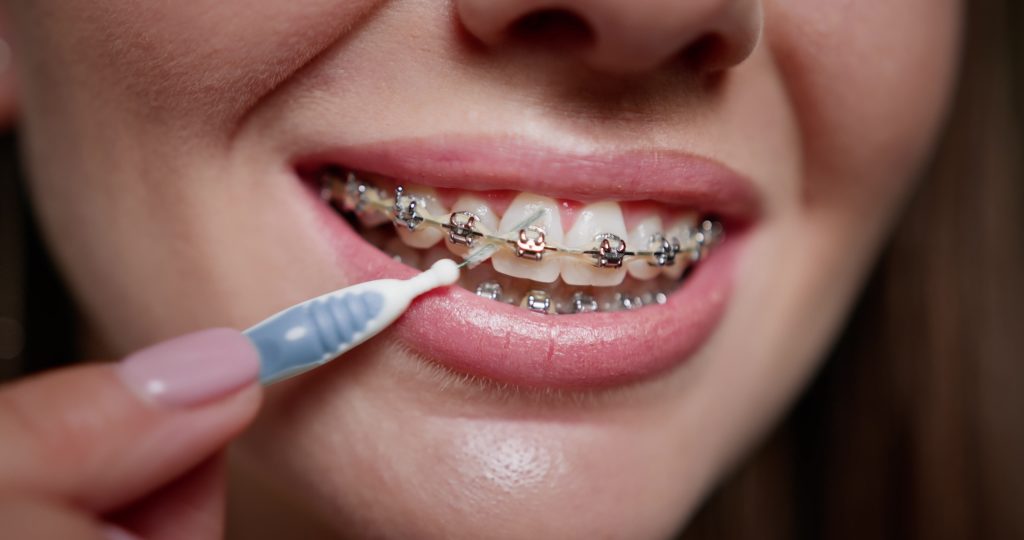
Traditional Metal Braces
Traditional metal braces use brackets attached to your teeth and an archwire to gradually guide them into position. They’re a versatile option that can address many alignment and bite concerns.
You can also personalize your braces with colorful elastic bands, making them a fun choice for teens and anyone who enjoys adding a little personality to their treatment.
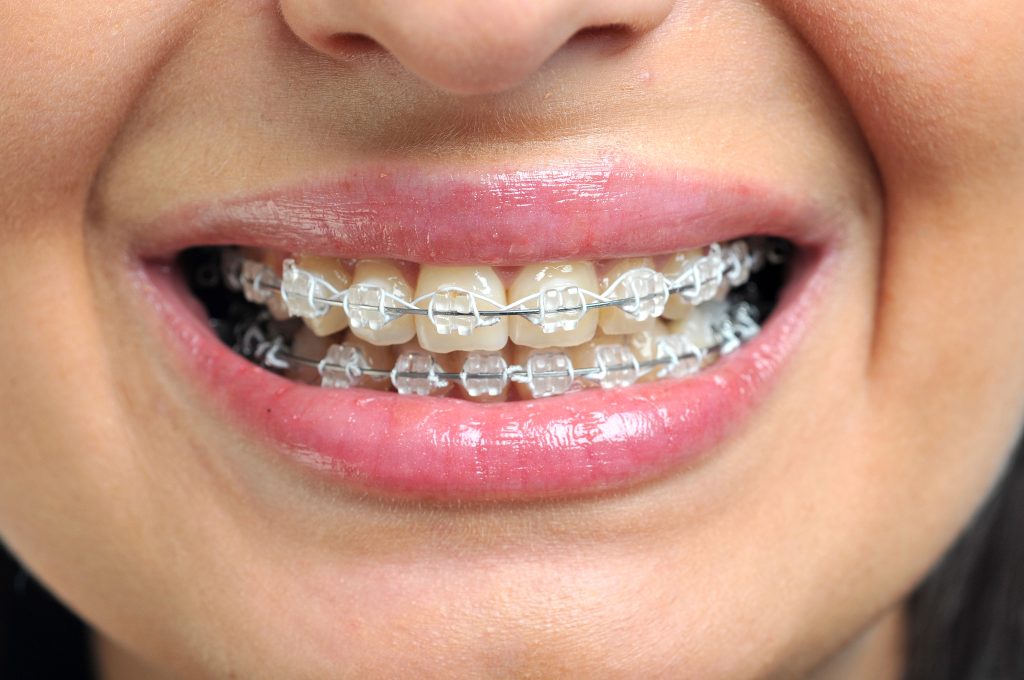
Clear Ceramic Braces
Want a more discreet option? Clear ceramic braces use tooth-colored or transparent brackets that blend in with your natural teeth.
They work similarly to traditional braces but are less noticeable, making them popular among adults and teens who prefer a subtler appearance.
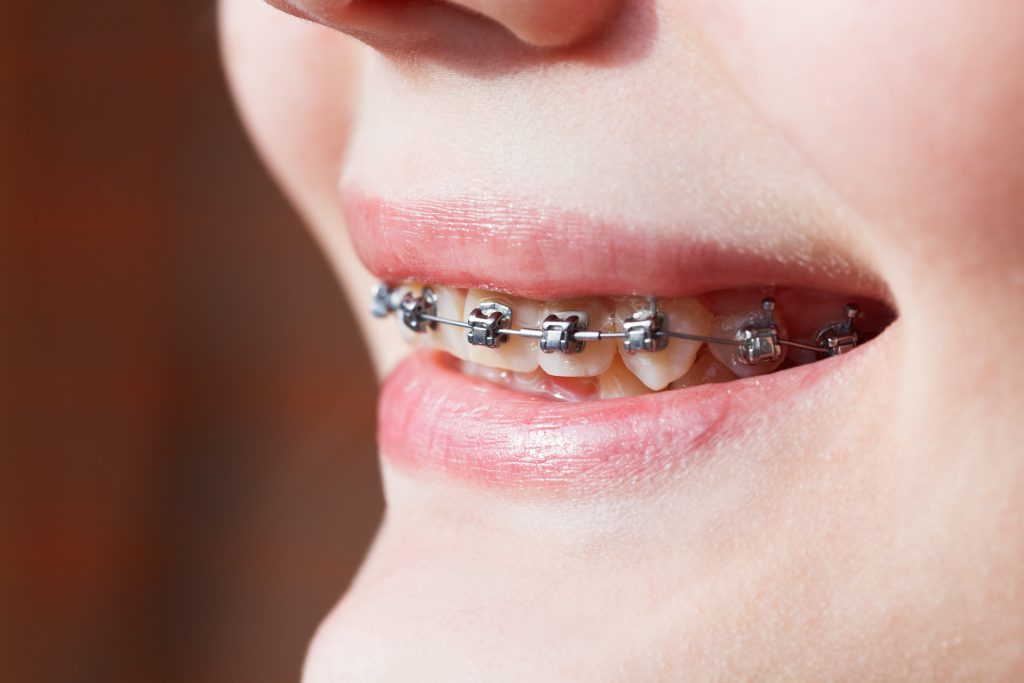
Damon Braces
Damon® braces use a self-ligating bracket system with a built-in mechanism that holds the archwire in place without traditional elastic ties.
They are available in both metal and clear options. Damon Clear offers a more discreet appearance while providing the benefits of fixed braces.
What Happens During an Orthodontic Consultation?
The best way to find out whether you need braces is to schedule an evaluation with an orthodontist.
During your consultation, your orthodontist will examine your teeth, evaluate your bite, and discuss any concerns you have about your smile.
You can also ask questions about:
- Which treatment options may work for you
- How long treatment may take
- What braces feel like
- How to care for your teeth and braces
- Payment plans and available financing options
Every smile is different, so your treatment recommendation should be based on your individual needs rather than a one-size-fits-all approach.
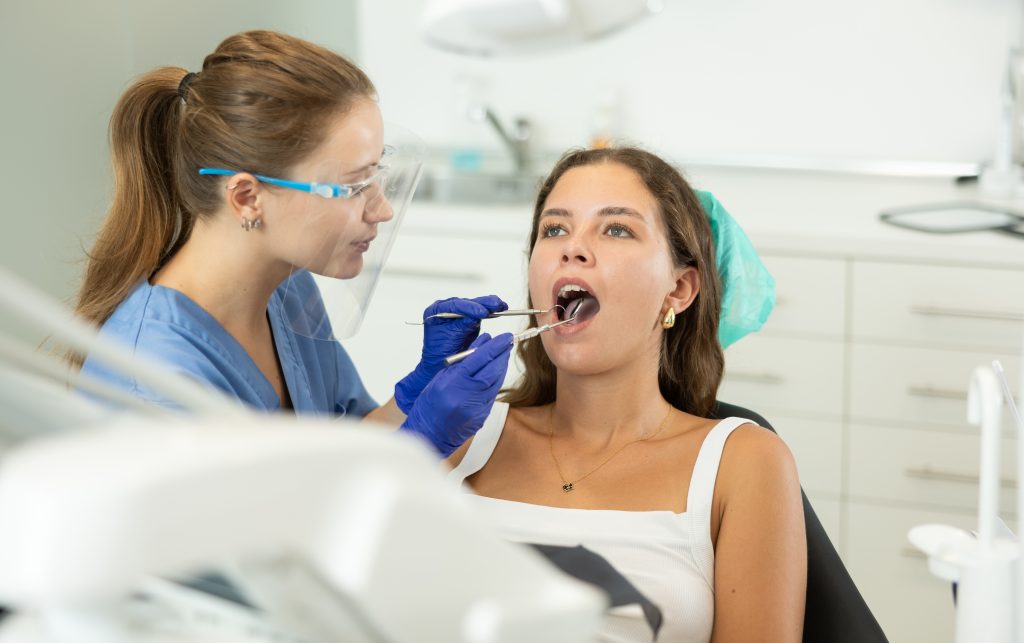
Find Out If Braces Are Right for You at Unique Orthodontics
You don’t have to figure out whether you need braces on your own. An orthodontic evaluation can help you understand your smile, identify any alignment or bite concerns, and explore your treatment options.
At Unique Orthodontics, we offer complimentary consultations for teens and adults interested in improving their smiles. With traditional metal braces, clear ceramic braces, and Damon options available, our team can help you find an approach that fits your needs.
Ready to find out if braces are right for you? Schedule your complimentary consultation at one of our eight Central Valley locations. We look forward to giving you something to smile about!
Frequently Asked Questions About Getting Braces
How do I know if I need braces?
Common signs include crowded or overlapping teeth, noticeable gaps, an uneven bite, or difficulty cleaning certain areas. An orthodontist can evaluate your teeth and determine whether treatment may benefit you.
Can adults get braces?
Absolutely! Orthodontic treatment isn’t just for teenagers. Adults can benefit from braces, including traditional metal braces, clear ceramic braces, and Damon braces.
At what age should a child see an orthodontist?
The American Association of Orthodontists recommends that children have their first orthodontic evaluation by age 7. This doesn’t mean every child needs braces at that age. An early evaluation allows an orthodontist to monitor jaw development and identify concerns that may benefit from early treatment.
Do braces hurt?
You may experience some soreness or pressure when braces are first placed and after certain adjustments. This discomfort is usually temporary as your teeth adapt to treatment.
How long do you have to wear braces?
Treatment time varies depending on your alignment concerns, bite, and individual treatment plan. Your orthodontist can provide an estimated timeline after evaluating your smile.
Are braces better than Invisalign?
Neither option is automatically better. Braces and Invisalign can both address many orthodontic concerns, but they work differently. Your orthodontist can help you determine which treatment is best suited to your needs.