

When teeth don’t fit together properly, orthodontic treatment can often help improve alignment and bite function. However, some bite problems involve more than the position of the teeth. In certain cases, the size or position of the upper or lower jaw may also contribute to the concern. When braces or clear aligners alone cannot fully correct the issue, surgical orthodontic treatment may be an option.
Also known as orthognathic surgery, corrective jaw surgery addresses significant differences in jaw position or structure. It is typically planned alongside orthodontic treatment to help align the teeth and improve how the jaws fit together.
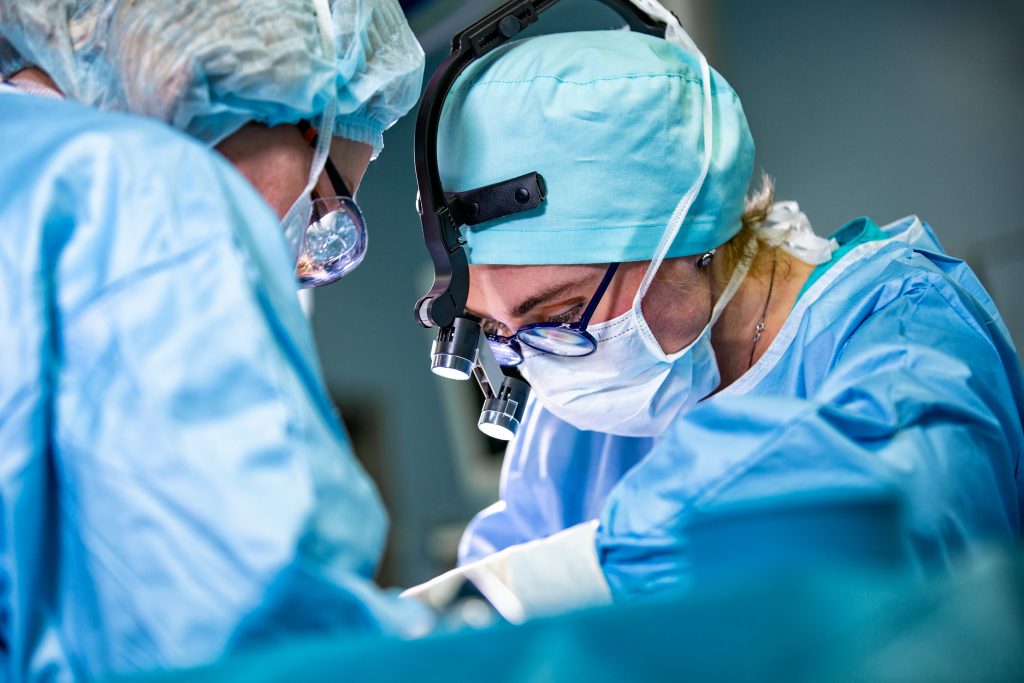
What Is Surgical Orthodontic Treatment?
Surgical orthodontic treatment combines orthodontics with corrective jaw surgery. While braces and clear aligners move teeth, jaw surgery changes the position of the upper jaw, lower jaw, or both.
This approach may be considered when a person’s bite is affected by an underlying skeletal difference that orthodontic appliances alone cannot adequately correct.
Treatment generally involves coordination between an orthodontist and an oral and maxillofacial surgeon. The orthodontist focuses on tooth alignment before and after surgery, while the surgeon performs the procedure to reposition the jaw.
Who May Need Corrective Jaw Surgery?
Not everyone with a misaligned bite needs surgery. Many orthodontic concerns can be treated with braces or clear aligners alone. However, significant jaw discrepancies may require a combined approach.
Examples of concerns that may lead to a surgical evaluation include:
- Open bite: The upper and lower front teeth do not meet when the back teeth are together.
- Underbite: The lower jaw or lower teeth extend farther forward than the upper teeth.
- Severe overbite or jaw discrepancy: The upper and lower jaws have a significant difference in position or relationship.
- Receding lower jaw: The lower jaw sits farther back than expected in relation to the upper jaw.
- Facial asymmetry: A noticeable difference in the position or development of the jaws affects facial balance.
These conditions do not automatically require surgery. An orthodontist must evaluate the teeth, bite, jaw relationship, and overall treatment goals before recommending an approach.
Why Combine Orthodontics With Jaw Surgery?
When a bite problem comes from the underlying jaw structure, moving the teeth alone may not provide the correction a patient needs.
Combining orthodontics with surgery allows the treatment team to address both tooth alignment and jaw position. Depending on the individual case, treatment may help:
- Improve how the upper and lower teeth fit together
- Address significant skeletal bite discrepancies
- Improve the relationship between the jaws
- Create better alignment between the teeth and jaws
- Address certain concerns involving facial balance
The goals and potential benefits vary from patient to patient. Your orthodontist and surgeon can explain what treatment may realistically accomplish in your situation.
What Does the Surgical Orthodontic Process Look Like?
Corrective jaw surgery involves careful planning and coordination. Although every treatment plan is different, the process generally includes several stages.
1. Initial Orthodontic Evaluation
The process begins with an orthodontic examination. Your orthodontist evaluates your teeth, bite, and jaw relationship and may recommend diagnostic records, such as X-rays, photographs, or digital scans.
If the examination suggests that jaw surgery may be appropriate, your orthodontist can discuss a referral to an oral and maxillofacial surgeon.
2. Orthodontic Treatment Before Surgery
Many patients wear braces before their procedure. This stage helps position the teeth so they can fit together properly once the surgeon repositions the jaws.
Your orthodontist and surgeon coordinate the treatment plan to prepare for the procedure.
3. Corrective Jaw Surgery
An oral and maxillofacial surgeon performs the procedure to reposition the upper jaw, lower jaw, or both, depending on the treatment plan.
The details of the surgery, recovery expectations, and potential risks depend on the individual case. Your surgeon will explain what to expect before the procedure.
4. Orthodontic Treatment After Surgery
After surgery and the initial healing period, orthodontic treatment typically continues. Your orthodontist makes any needed adjustments to refine the tooth alignment and bite.
The total treatment timeline varies depending on the complexity of the case, surgical plan, and individual healing.
Is Jaw Surgery Always Necessary for a Severe Bite Problem?
No. Even significant bite concerns do not automatically mean surgery is required.
Some patients can achieve their treatment goals with orthodontic appliances alone. Others may benefit from a combination of orthodontics and corrective jaw surgery.
Factors such as jaw growth, the severity of the discrepancy, tooth position, and overall treatment goals all play a role in determining the appropriate approach.
For adults with significant skeletal concerns, surgery may be considered because orthodontic appliances can move teeth but cannot substantially reposition a fully developed jaw.

Talk With an Orthodontist About Your Options
If you have concerns about your bite or jaw alignment, an orthodontic evaluation can help you understand what may be causing the problem and which treatment options are available.
At Unique Orthodontics, our team provides personalized evaluations and works to help patients understand their orthodontic needs. If your situation may require corrective jaw surgery, an orthodontist can help explain the orthodontic portion of treatment and coordinate with an appropriate surgical specialist.
With eight convenient locations throughout the Central Valley, we’re here to help you take the next step toward a healthier, more confident smile.
Have questions about your bite? Schedule a complimentary consultation with Unique Orthodontics to discuss your concerns and explore your options.
Frequently Asked Questions About Surgical Orthodontic Treatment
What is the difference between braces and surgical orthodontics?
Braces move teeth into better positions, while surgical orthodontic treatment combines tooth movement with corrective jaw surgery. Surgery may be considered when the position or size of the jaws contributes to a bite problem that braces alone cannot adequately correct.
Does everyone with an underbite need jaw surgery?
No. Some underbites can be treated with orthodontic appliances alone. More significant cases involving the underlying jaw structure may require a surgical evaluation. An orthodontist can help determine which options may be appropriate.
At what age can someone have corrective jaw surgery?
Corrective jaw surgery is generally considered after the jaws have finished growing. The appropriate timing depends on the patient’s development, diagnosis, and treatment plan.
Do you need braces before and after jaw surgery?
Many patients receive orthodontic treatment both before and after surgery. Braces help position the teeth before the procedure and refine the bite afterward. The exact plan depends on the individual case.
How long does surgical orthodontic treatment take?
The overall timeline varies based on the complexity of the bite problem, the amount of orthodontic movement needed, surgical planning, and recovery. Your orthodontist and surgeon can provide a more personalized estimate.