

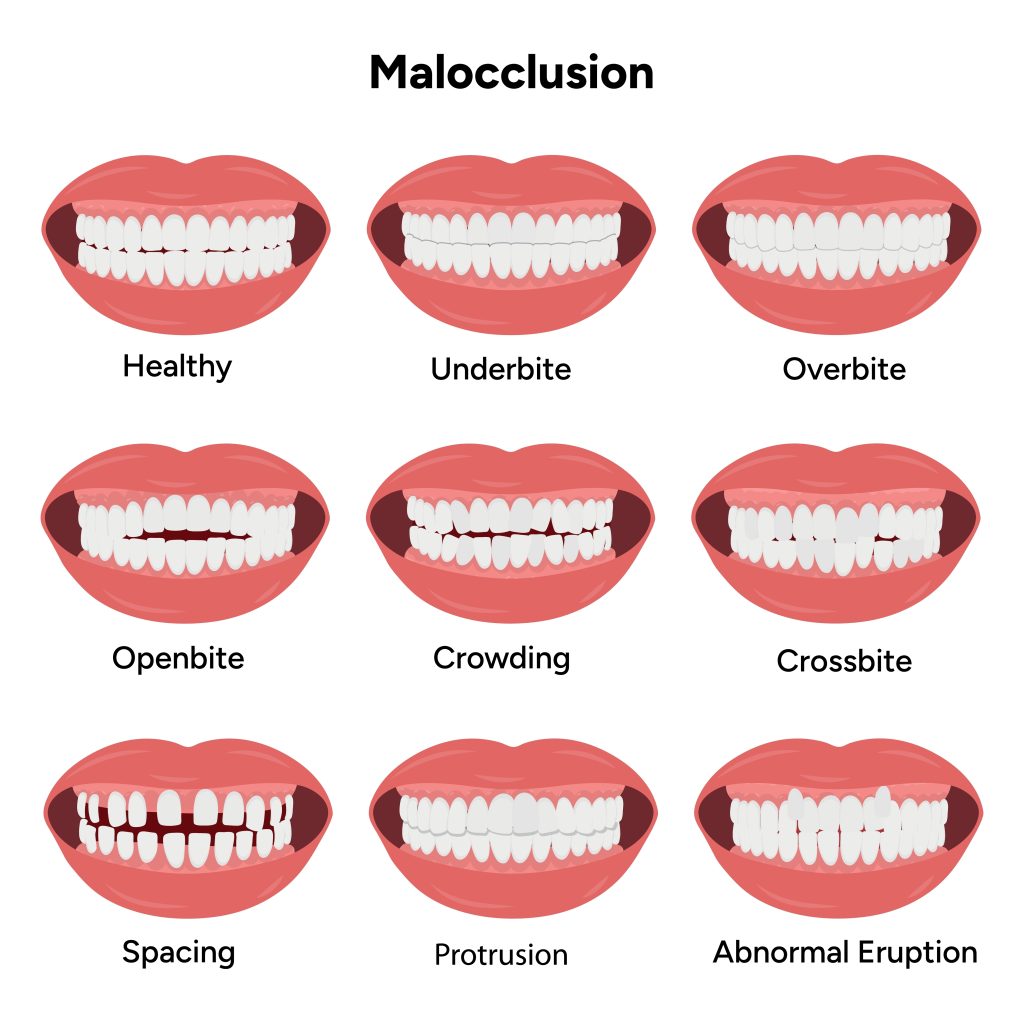
Does your lower jaw appear to extend farther forward than your upper jaw? Do your bottom teeth sit in front of your top teeth when you bite down? You may have an underbite.
An underbite is a type of malocclusion, meaning the upper and lower teeth don’t fit together as they normally should. Depending on its severity, an underbite can affect your bite, chewing, and the appearance of your smile.
The good news is that orthodontic treatment may help address many underbites. At Unique Orthodontics, we offer personalized treatment options for children, teens, and adults throughout California’s Central Valley.
What Is an Underbite?
An underbite occurs when the lower front teeth sit in front of the upper front teeth when the mouth is closed. In some cases, the difference is primarily related to tooth positioning. In others, it may involve differences in the size or position of the upper and lower jaws.
Underbites can develop for several reasons, including:
- Genetics: Jaw size, shape, and tooth positioning can run in families.
- Jaw development: Differences in how the upper and lower jaws grow may contribute to an underbite.
- Childhood habits: Certain prolonged oral habits may influence dental development, although they aren’t necessarily the cause of an underbite.
- Other developmental factors: Individual growth patterns and airway-related concerns may contribute to the overall picture.
Because underbites can have different underlying causes, an orthodontic evaluation is important for understanding the type of correction that may be needed.
Why Should an Underbite Be Evaluated?
Some underbites are mild, while others can create more noticeable challenges.
Depending on the individual, an untreated underbite may contribute to:
- Difficulty biting or chewing certain foods.
- Uneven contact between the upper and lower teeth.
- Increased wear on certain teeth.
- Jaw discomfort or difficulty with normal bite function.
- Concerns about facial balance or smile appearance.
Not every underbite causes these problems, but having it evaluated can help you understand whether treatment may be beneficial.
What Is the Growth Guidance Program?
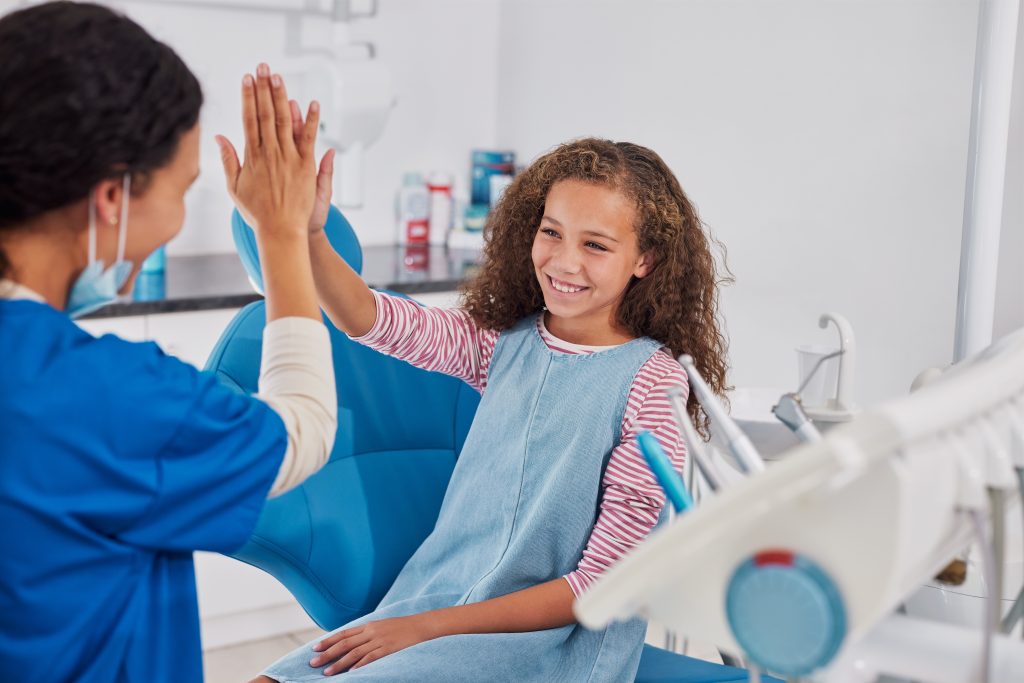
Early orthodontic evaluations can be especially helpful when a child’s jaws and permanent teeth are still developing.
The American Association of Orthodontists recommends that children have their first orthodontic evaluation by age 7. At this stage, an orthodontist can begin monitoring jaw growth, tooth development, and potential bite concerns.
At Unique Orthodontics, our Growth Guidance program allows children to receive regular orthodontic monitoring as they grow.
Depending on the child’s needs, these visits may take place approximately every six months. The orthodontist can monitor changes and recommend whether early treatment is appropriate or whether continued observation is the better option.
Not every child needs braces at age 7. However, identifying certain developing concerns early may provide additional treatment opportunities while the jaws are still growing.
How Is an Underbite Treated?
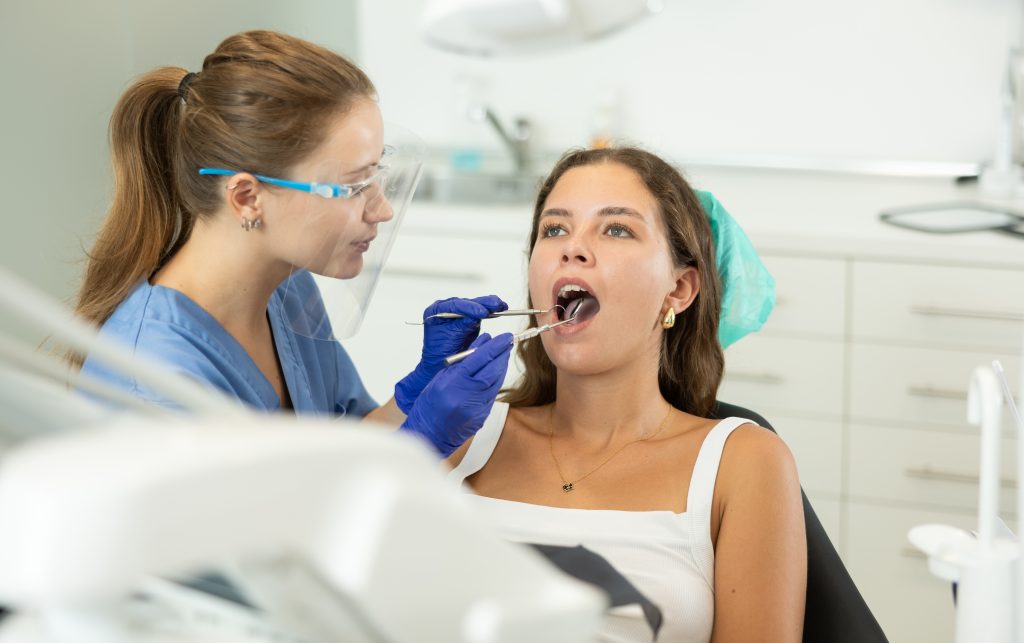
The right treatment depends on several factors, including the patient’s age, jaw development, and severity of the underbite.
Here are some of the approaches an orthodontist may consider:
1. Growth Guidance and Early Orthodontic Treatment
For children who are still growing, certain orthodontic appliances may help address developing bite and jaw concerns.
The specific appliance and timing depend on the child’s individual condition. Early treatment may help improve certain problems, but it cannot guarantee that more treatment won’t be needed later.
2. Traditional Metal Braces
Braces are commonly used to correct tooth positioning and improve how the upper and lower teeth fit together.
Traditional metal braces use brackets and wires to gradually move teeth into their planned positions. They can address a wide range of orthodontic concerns and may be recommended for children, teens, and adults with underbites.
3. Damon System Braces
Unique Orthodontics also offers Damon System braces, which use a self-ligating bracket design.
Rather than relying on traditional elastic ties to hold the wire in place, these brackets use a built-in mechanism to secure the archwire.
Damon braces are one option your orthodontist may consider depending on your treatment needs. They still require regular orthodontic appointments and proper brushing and flossing throughout treatment.
4. Invisalign® Clear Aligners
Some patients with mild or certain moderate underbites may be candidates for Invisalign® clear aligners.
Invisalign uses a series of removable, clear aligners to gradually move teeth. Patients can remove them for meals, brushing, and flossing.
For treatment to work as planned, aligners generally need to be worn 20–22 hours per day. However, clear aligners aren’t appropriate for every underbite, particularly when significant jaw correction is needed.
5. Orthognathic Surgery
In more severe cases, an underbite may be related to a significant difference in jaw size or position.
When orthodontic treatment alone cannot adequately address the problem, corrective jaw surgery, also called orthognathic surgery, may be considered.
This typically involves coordination between an orthodontist and an oral and maxillofacial surgeon. Orthodontic treatment is often needed before and after surgery to help align the teeth with the corrected jaw position.
Not every patient with an underbite needs surgery. Your orthodontist can help determine whether this approach may be appropriate.

Can Adults Get Their Underbite Corrected?
Yes! Adults can explore treatment for underbites, too.
While jaw growth is generally complete by adulthood, orthodontic treatment can still improve tooth alignment and bite relationships. Depending on the severity and underlying cause, treatment may involve braces, clear aligners, or a combination of orthodontics and corrective jaw surgery.
An orthodontic consultation is the best way to understand your options and what kind of results may be realistic for your individual situation.
Explore Underbite Treatment at Unique Orthodontics
An underbite doesn’t have to leave you wondering what your treatment options are. Whether you’re concerned about your child’s developing bite or considering orthodontic treatment for yourself, the right first step is an evaluation.
At Unique Orthodontics, we offer personalized orthodontic care, including traditional braces, Damon System braces, Invisalign®, and early orthodontic evaluations through our Growth Guidance program.
With eight convenient locations throughout California’s Central Valley, we’re here to help you and your family take the next step toward a healthier, more balanced smile.
Have questions about an underbite? Schedule your complimentary consultation with Unique Orthodontics today! Schedule Your Complimentary Consultation