

When you think about orthodontics, straight teeth might be the first thing that comes to mind. But orthodontic care involves much more than improving the appearance of your smile.
An orthodontist is a dental specialist who focuses on diagnosing and treating problems involving tooth alignment, bite relationships, and jaw development. Whether you’re dealing with crowded teeth, gaps, or an uneven bite, orthodontic treatment may help improve how your teeth look and function.
Here are five ways an orthodontist can help you work toward a healthier, more confident smile.
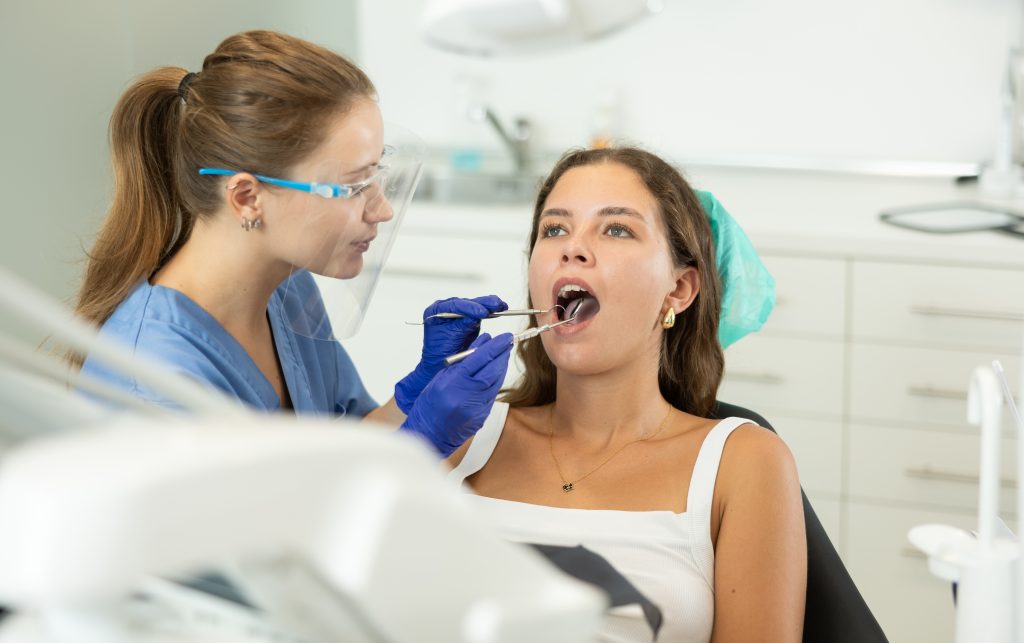
1. Address Crowded Teeth
Crowded teeth occur when there isn’t enough space in the mouth for all the teeth to fit comfortably in their proper positions. This can cause teeth to overlap, twist, or become difficult to clean.
Crowding can make brushing and flossing more challenging, especially in areas where teeth overlap. Over time, plaque can accumulate in these harder-to-reach spaces.
An orthodontist can evaluate the amount of crowding and recommend treatment options to improve tooth alignment. Depending on your needs, treatment may involve traditional braces, Damon braces, clear ceramic braces, or Invisalign® clear aligners.
2. Correct Protruding Teeth
Do your upper front teeth stick out farther than you’d like? Protruding teeth, sometimes called an overjet, can affect both the appearance of your smile and how your teeth come together.
When front teeth extend farther forward, they may also be more vulnerable to accidental injury.
An orthodontist can evaluate the position of your teeth and bite to determine the best way to address the concern. Depending on the cause and severity, treatment may involve braces or clear aligners.
Correcting protruding teeth can help improve the relationship between your upper and lower teeth while creating a more balanced smile.
3. Improve Bite Alignment
Your bite refers to how your upper and lower teeth fit together when you close your mouth. When they don’t meet properly, you may have what’s known as a malocclusion.
Some common bite concerns include:
- Overbite: The upper front teeth overlap the lower front teeth more than expected.
- Underbite: The lower front teeth sit in front of the upper front teeth.
- Crossbite: Some upper teeth sit inside the lower teeth when biting down.
- Open bite: Certain upper and lower teeth do not meet when the mouth is closed.
An orthodontist can evaluate your bite and recommend treatment to improve how your teeth fit together. Depending on the specific concern, treatment may include braces, clear aligners, or other orthodontic appliances.
4. Straighten Crooked or Misaligned Teeth
Crooked teeth can affect the appearance of your smile and sometimes make daily oral hygiene more difficult.
Whether you have a few teeth that have shifted or more noticeable misalignment throughout your smile, an orthodontist can help determine what treatment may be appropriate.
Options may include:
- Traditional metal braces: Fixed brackets and wires that gradually move teeth into position.
- Damon braces: Self-ligating braces available in metal and clear bracket options.
- Clear ceramic braces: Tooth-colored brackets designed to blend more naturally with your smile.
- Invisalign®: A series of removable clear aligners designed to gradually move teeth.
The right option depends on your orthodontic needs, lifestyle, and treatment goals.
5. Help Guide Children’s Dental Development
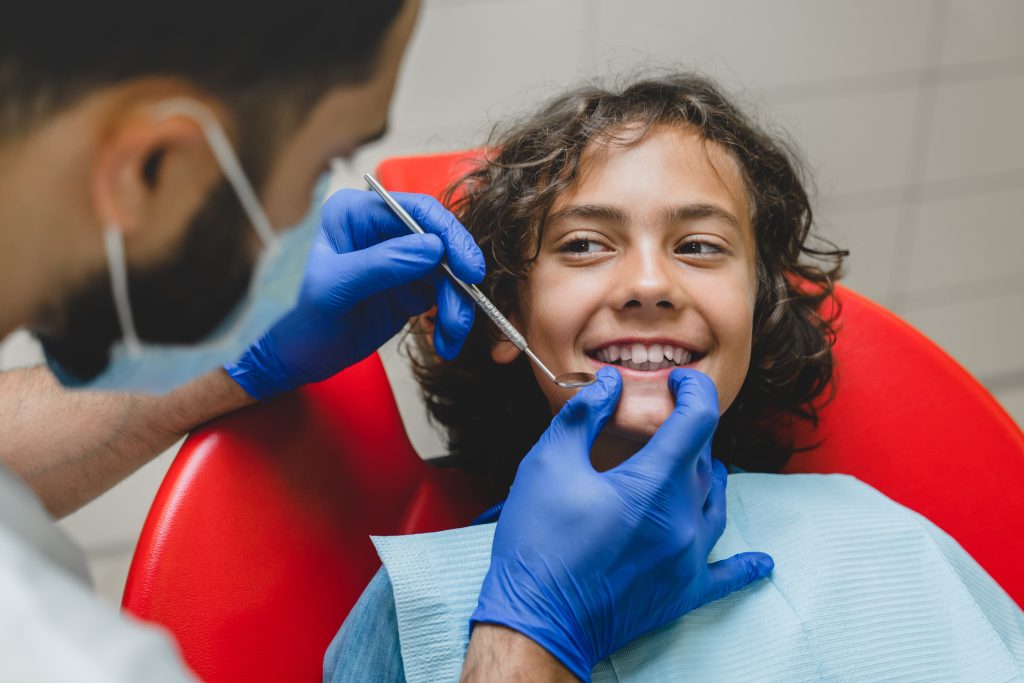
Orthodontic care isn’t just for teenagers and adults. Children can also benefit from an early orthodontic evaluation.
The American Association of Orthodontists recommends that children have their first orthodontic checkup by age 7. At this stage, an orthodontist can evaluate how the teeth and jaws are developing and identify potential concerns.
Not every child needs early treatment. However, when certain developmental or bite concerns are identified, an orthodontist may recommend monitoring or early intervention.
At Unique Orthodontics, our Growth Guidance program helps evaluate children’s developing smiles and determine whether early orthodontic treatment may be beneficial.
When Should You Visit an Orthodontist?
You don’t have to wait until you have a major alignment concern to schedule an orthodontic evaluation.
You may want to consider visiting an orthodontist if you notice:
- Crowded, overlapping, or crooked teeth
- Gaps between your teeth
- Upper or lower teeth that stick out
- Difficulty bringing your teeth together comfortably
- A crossbite, overbite, or underbite
- Teeth that have shifted after previous orthodontic treatment
An orthodontist can evaluate your smile, explain any concerns, and help you understand whether treatment is recommended.
Explore Your Orthodontic Options at Unique Orthodontics
Your smile deserves care that considers both appearance and function. Whether you’re looking into braces for yourself or scheduling an evaluation for your child, Unique Orthodontics is here to help.
Our team offers a variety of orthodontic treatment options for children, teens, and adults, including traditional braces, Damon braces, clear ceramic braces, and Invisalign®.
With eight convenient offices throughout the Central Valley, we’re ready to help you take the next step toward a smile you feel confident sharing.
Ready to get started? Schedule your complimentary orthodontic consultation with Unique Orthodontics today!
Frequently Asked Questions About Orthodontists
What does an orthodontist help with?
An orthodontist specializes in diagnosing and treating concerns involving crooked teeth, crowding, spacing, bite alignment, and jaw development. Treatment may involve braces, clear aligners, or other orthodontic appliances.
What is the difference between a dentist and an orthodontist?
A general dentist provides routine dental care, including cleanings, fillings, and preventive services. An orthodontist is a dental specialist who receives additional training focused on tooth alignment, bite correction, and jaw development.
At what age should a child visit an orthodontist?
The American Association of Orthodontists recommends an initial orthodontic evaluation by age 7. This allows an orthodontist to monitor dental development and identify concerns that may benefit from early treatment.
Can an orthodontist fix an overbite or underbite?
Yes, orthodontists can treat many types of bite concerns, including overbites and underbites. Treatment depends on the severity and whether the concern involves tooth position, jaw development, or both.
Do adults benefit from visiting an orthodontist?
Absolutely! Adults can benefit from orthodontic evaluations just like children and teens. Treatment options may include traditional braces, clear ceramic braces, Damon braces, or Invisalign, depending on individual needs.
How do I know if I need braces?
If you have crowded or crooked teeth, noticeable gaps, or concerns about how your upper and lower teeth fit together, an orthodontic evaluation can help determine whether braces or another treatment option may be beneficial.