

If you are wondering what an orthodontist in California can do for you or your family, the answer goes beyond straightening teeth. An orthodontist is a dental specialist who diagnoses and treats problems involving tooth alignment, bite function, and jaw development. Orthodontic treatment can help improve how your teeth fit together, make oral hygiene easier in some cases, and create a more balanced smile.
At Unique Orthodontics, we help children, teens, and adults throughout California’s Central Valley explore orthodontic treatment options tailored to their individual needs. Here’s what you should know about orthodontists, available treatments, and when to schedule an evaluation.
What Is the Difference Between a Dentist and an Orthodontist?
A dentist and an orthodontist both play important roles in maintaining oral health, but their training and areas of focus differ.
A general dentist provides preventive and restorative dental care, including routine examinations, cleanings, fillings, and other treatments. An orthodontist is a dentist who completes additional specialized education and clinical training in orthodontics and dentofacial orthopedics.
Orthodontists focus on diagnosing and treating irregularities involving the teeth, bite, and jaws. They evaluate how the upper and lower teeth fit together and develop treatment plans to address issues such as crowding, spacing, and certain bite problems.
In short, all orthodontists are dentists, but not all dentists are orthodontists.
What Can an Orthodontist Treat?
Orthodontists evaluate a variety of conditions that affect the alignment of teeth and the way the jaws fit together. Depending on your needs, treatment may address:
- Crowded teeth: When there is insufficient space for teeth to align properly.
- Gaps between teeth: Spacing issues that may affect the appearance or function of your smile.
- Overbites and underbites: When the upper and lower teeth do not meet in the intended relationship.
- Crossbites: When some upper teeth bite inside the lower teeth.
- Open bites: When certain upper and lower teeth do not meet when the mouth closes.
- Developing jaw and bite concerns: Problems that may benefit from evaluation while a child is still growing.
- Teeth erupting out of position: When permanent teeth emerge in an unusual or crowded position.
Some alignment and bite problems can make chewing less comfortable or make certain areas harder to clean. An orthodontic evaluation can help determine whether treatment may improve your bite, tooth alignment, or overall oral function.
What Orthodontic Treatments Are Available?
The right treatment depends on your teeth, bite, age, and individual goals. An orthodontist will evaluate these factors before recommending a treatment plan.
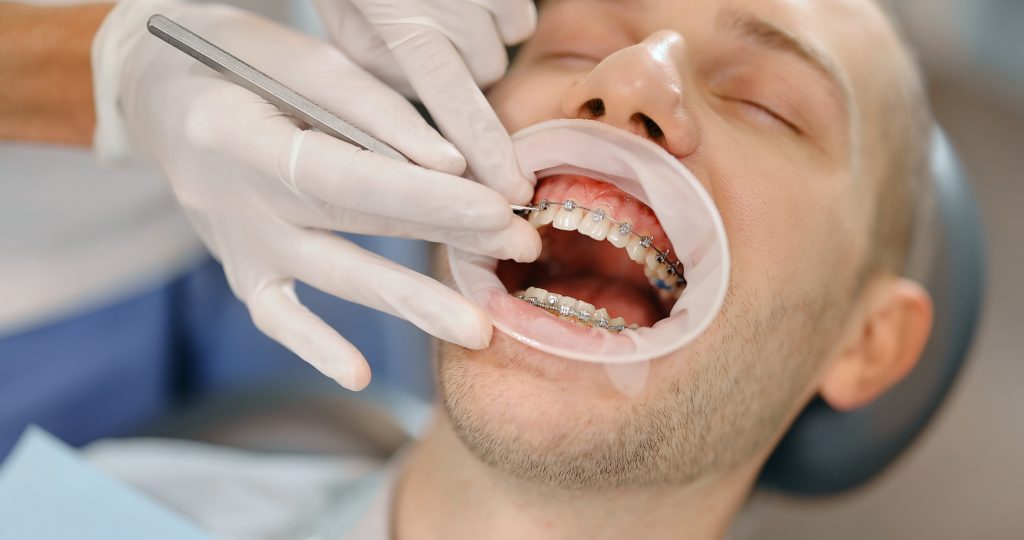
Traditional Metal Braces
Traditional metal braces use brackets and wires to gradually move teeth into planned positions. They are a versatile option for correcting many alignment and bite concerns in children, teens, and adults.
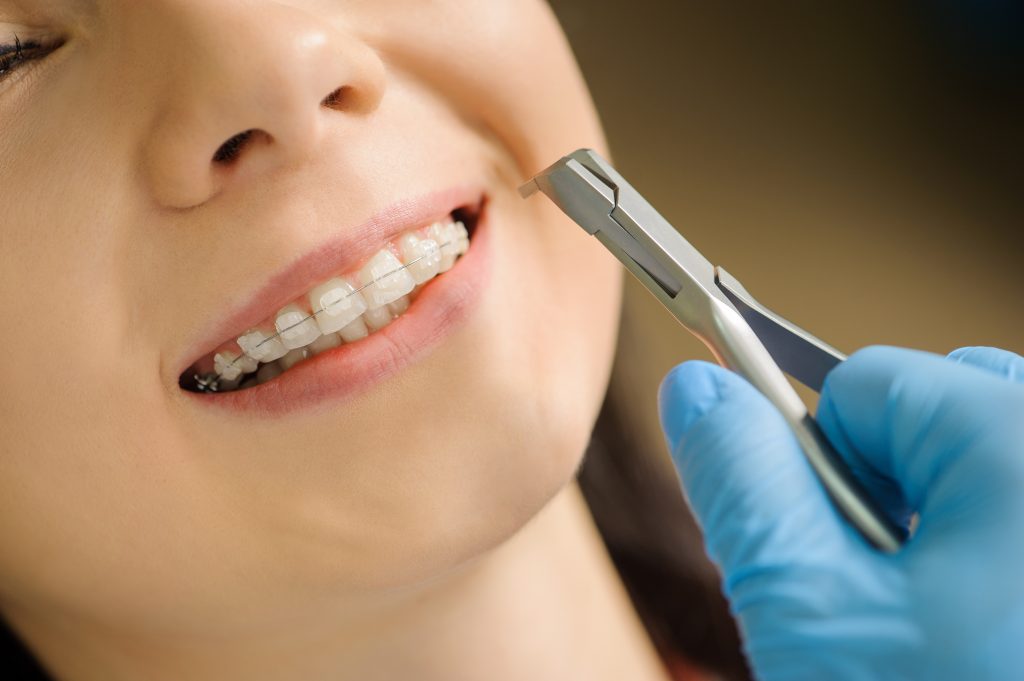
Clear Ceramic Braces
Clear ceramic braces work similarly to traditional braces but use tooth-colored or translucent brackets. They offer a less noticeable option for patients who prefer a more discreet appearance.
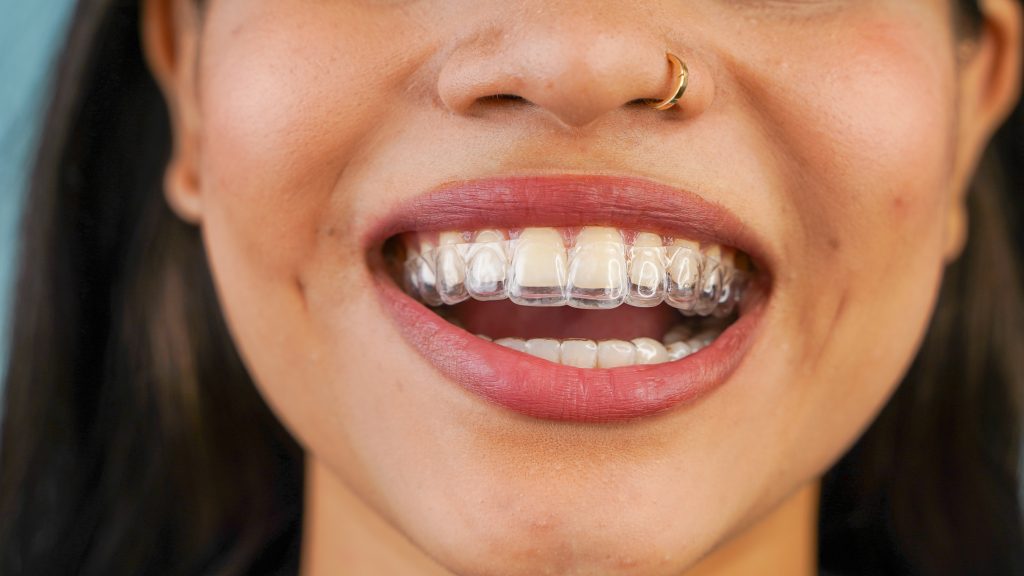
Clear Aligners
Clear aligners are removable trays designed to move teeth gradually. They may be suitable for certain orthodontic concerns, depending on the complexity of the case and the patient’s ability to wear the aligners as directed.
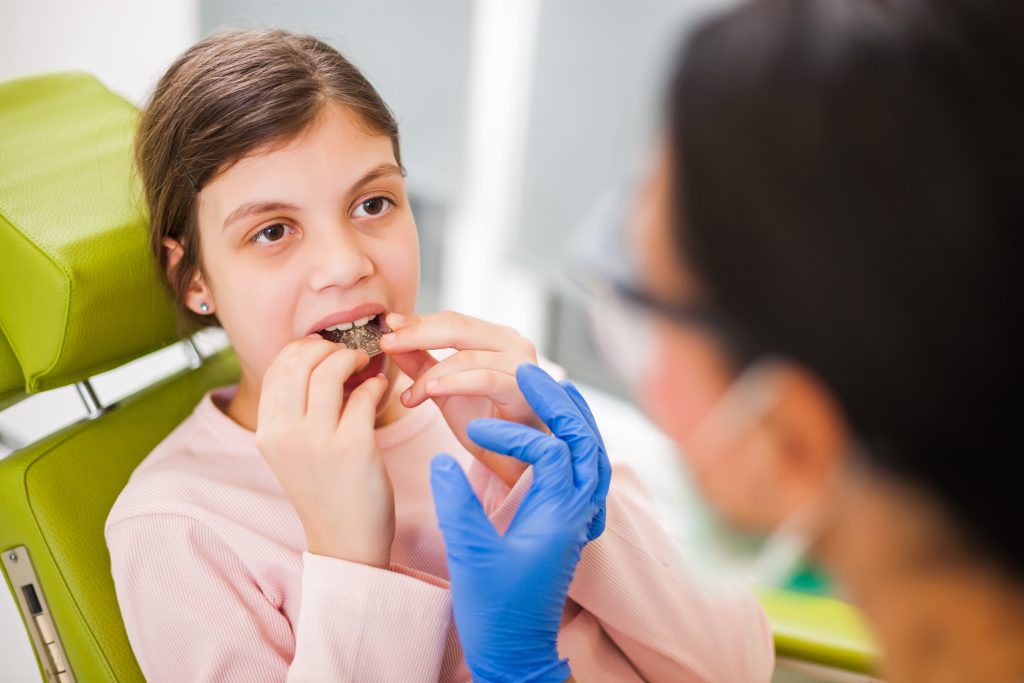
Early Orthodontic Treatment
Some children benefit from orthodontic treatment while they are still growing and have a combination of baby and permanent teeth. When appropriate, early treatment may help address specific developing bite or jaw concerns.
Not every child needs early treatment. An orthodontist can determine whether treatment should begin now, be considered later, or may not be necessary.
When Should a Child See an Orthodontist?
The American Association of Orthodontists recommends that children have their first orthodontic check-up by age 7, or sooner if an orthodontic concern is noticed.
At this age, many children have a mixture of baby and permanent teeth, allowing an orthodontist to evaluate how their teeth and jaws are developing.
An evaluation at age 7 does not mean a child will automatically need braces. Some children may benefit from early treatment, while others simply need periodic monitoring as they grow.
Parents do not have to wait until all baby teeth have fallen out or until a dentist recommends a visit to schedule an orthodontic evaluation.
Can Adults Benefit From Orthodontic Treatment?
Yes. Orthodontic treatment is not just for children and teenagers. Adults can also explore treatment for crowded teeth, gaps, bite concerns, or teeth that have shifted over time.
Depending on the individual’s needs, treatment options may include traditional braces, clear ceramic braces, or clear aligners. An orthodontic consultation can help determine which options are appropriate for your smile and goals.
Find an Orthodontist in California’s Central Valley
Choosing an orthodontist means finding a team that understands your treatment needs and helps you feel comfortable throughout your smile journey.
At Unique Orthodontics, we provide personalized orthodontic care for children, teens, and adults, with options that include metal braces, clear ceramic braces, and clear aligners. Our team offers complimentary consultations, flexible payment options, and bilingual support to help families navigate their treatment choices.
With eight convenient locations serving Fresno, Clovis, Merced, Madera, Visalia, Tulare, and Hanford, we make it easier for Central Valley families to explore orthodontic care close to home.
Ready to learn more about your options? Contact Unique Orthodontics to schedule your complimentary consultation and find out which orthodontic treatment may be right for you.
Contact Unique Orthodontics or call (559) 222-2522 to get started.
Frequently Asked Questions About Orthodontists
What does an orthodontist do?
An orthodontist diagnoses and treats problems involving tooth alignment, bite function, and jaw development. Treatment may include braces, clear aligners, or other orthodontic appliances, depending on the patient’s needs.
What is the difference between a dentist and an orthodontist?
A general dentist provides a wide range of dental care, while an orthodontist completes additional specialized education and training to diagnose and treat irregularities involving the teeth, bite, and jaws.
At what age should a child see an orthodontist?
The American Association of Orthodontists recommends a first orthodontic check-up by age 7. Children may need an evaluation earlier if a concern is noticed, but an early visit does not necessarily mean treatment will begin right away.
Do adults need to be evaluated by an orthodontist?
Adults can benefit from orthodontic evaluations, too. An orthodontist can assess concerns such as crowding, spacing, bite alignment, or shifting teeth and discuss suitable treatment options.
Can an orthodontist help with an overbite or underbite?
Yes. Orthodontists evaluate overbites, underbites, crossbites, and other bite irregularities. The recommended treatment depends on the severity of the problem and whether it involves tooth position, jaw development, or both.
How much does orthodontic treatment cost in California?
The cost depends on the type of treatment, the complexity of the case, and the expected treatment duration. A consultation allows an orthodontic team to assess your needs and explain applicable costs and payment options.
Does Unique Orthodontics offer complimentary consultations?
Yes. Unique Orthodontics offers complimentary orthodontic consultations at its Central Valley locations. Contact the team at (559) 222-2522 or visit the contact page to schedule an appointment.