

Orthodontic treatment can come with occasional surprises. A loose bracket, poking wire, or uncomfortable appliance can happen when you least expect it. While some issues can wait until your next scheduled appointment, others may need attention from your orthodontic team sooner.
Knowing when to contact an emergency orthodontist can help you protect your braces, avoid additional irritation, and understand what steps to take next.
If you experience an orthodontic problem, contact your orthodontist’s office first whenever possible. Explain what happened and describe any discomfort you’re experiencing. Your team can help determine how quickly you need to be seen and provide guidance on what to do in the meantime.

How Do You Know If It’s an Orthodontic Emergency?
Not every problem with braces requires an emergency visit. Some discomfort is a normal part of orthodontic treatment, especially after getting braces or having them adjusted.
Here are a few common situations and how to handle them.
Loose or Broken Brackets
A bracket may loosen or break after eating something hard or sticky, or following an accidental impact. A loose bracket may slide along the wire or become uncomfortable.
Contact your orthodontist so they can determine whether you need an appointment to repair it. Avoid pulling on the bracket or trying to remove it yourself.
Poking or Irritating Wires
Sometimes, an archwire can shift and begin rubbing against the inside of your cheek or gums. This can cause irritation or small sores.
Orthodontic wax may help cover the irritating area temporarily. Contact your orthodontist for guidance, especially if the wire continues to cause discomfort or injury.
Loose or Damaged Orthodontic Appliances
Other orthodontic appliances can occasionally become loose, damaged, or uncomfortable. If this happens, avoid adjusting or forcing the appliance back into place. Call your orthodontist to find out what to do next.
Persistent or Severe Pain
Some tenderness after getting braces or having them adjusted is expected. This discomfort usually improves over several days.
However, severe pain, worsening discomfort, or pain that doesn’t improve as expected deserves attention. Contact your orthodontist so they can help determine whether an adjustment or evaluation is needed.
When Should You Seek Immediate Medical or Dental Care?
An orthodontic emergency is not always the same as a dental or medical emergency. If you experience a serious injury or symptoms that could put your health at risk, don’t wait for an orthodontic appointment.
Seek emergency medical care for symptoms such as:
- Difficulty breathing or swallowing
- Uncontrolled bleeding
- Significant facial swelling or rapidly spreading swelling
- A serious injury to your face, jaw, or mouth
If a tooth is knocked out, badly displaced, or severely damaged, contact an emergency dentist immediately. Time can be important when treating dental injuries.
For life-threatening symptoms, call 911.
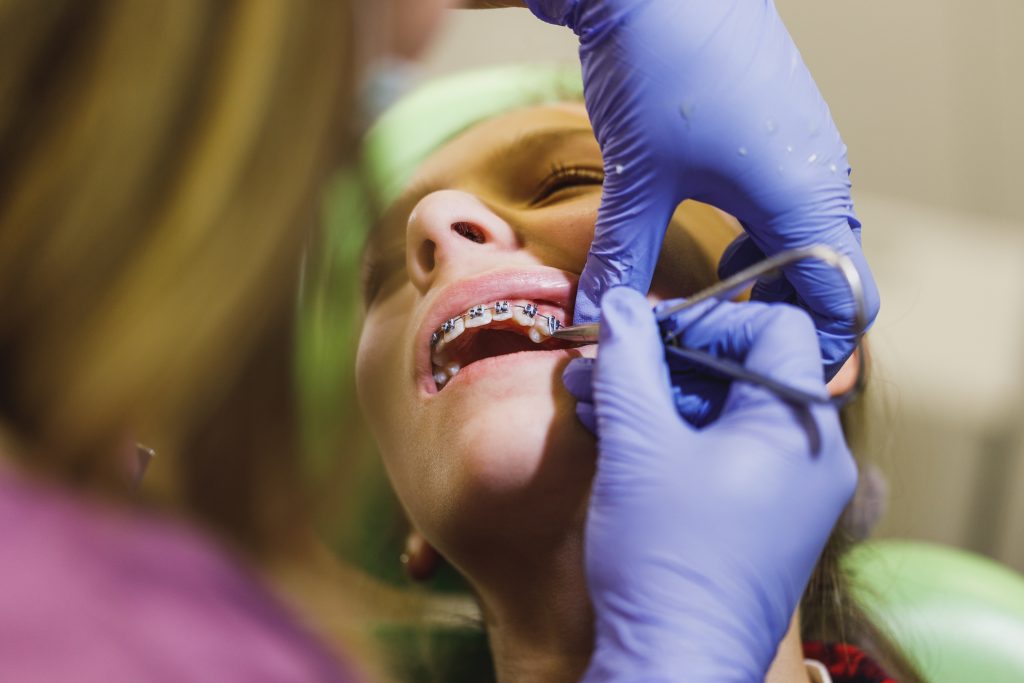
What Causes Orthodontic Emergencies?
Orthodontic problems can happen for several reasons. Some common causes include:
- Eating hard or sticky foods: These foods can loosen brackets or damage orthodontic appliances.
- Sports injuries: A direct impact to the mouth or face can damage braces or injure teeth.
- Accidents: Falls, vehicle accidents, and other unexpected injuries may affect your teeth, jaw, or orthodontic appliances.
- Normal wear and movement: Wires and appliances may occasionally shift during treatment and require an adjustment.
Wearing a properly fitted mouthguard during sports can help protect your teeth and orthodontic appliances from impact.
What Should You Do Before Your Orthodontic Appointment?
If you experience a problem with your braces, a few simple steps may help keep you comfortable until your orthodontist can evaluate the issue.
-
Call your orthodontist: Explain what happened and follow the team’s instructions about scheduling an appointment.
- Use orthodontic wax: If a bracket or wire is irritating your cheek or gums, wax may help protect the area temporarily.
- Choose soft foods: Avoid hard, crunchy, or sticky foods that could make the problem worse.
- Keep your mouth clean: Continue brushing gently and cleaning around your braces as best you can.
-
Avoid DIY repairs: Don’t pull on wires, remove brackets, or attempt to reposition orthodontic appliances yourself.
If you’re unsure whether the issue is urgent, it’s always best to contact your orthodontic team for guidance.
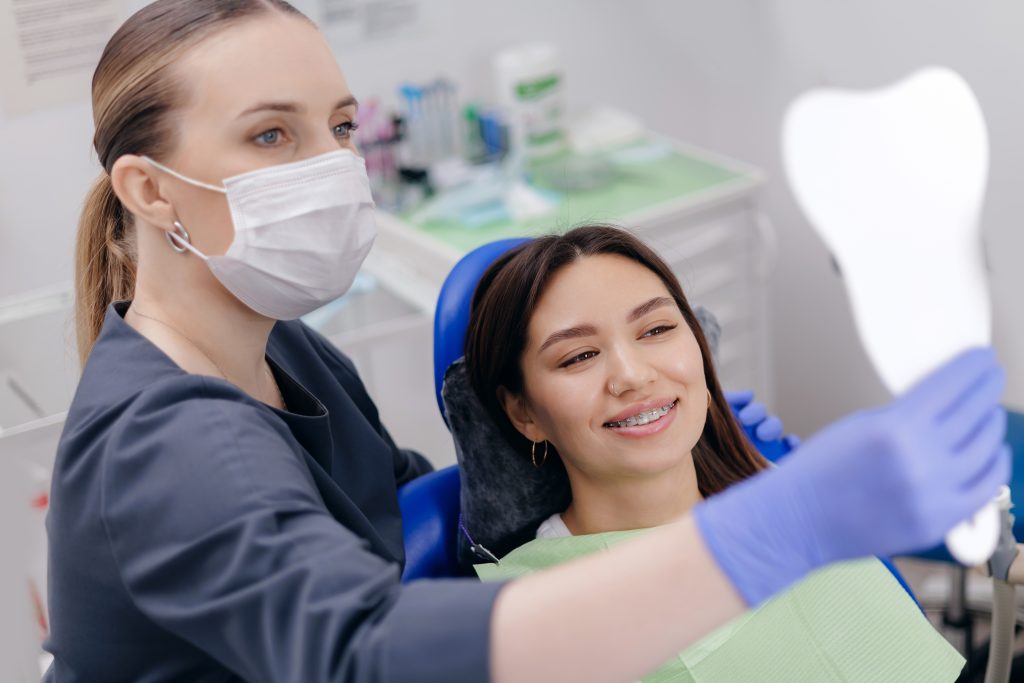
Get Help With Orthodontic Emergencies at Unique Orthodontics
Unexpected issues with braces can be stressful, but you don’t have to figure them out alone. The team at Unique Orthodontics is here to help patients understand what to do when orthodontic problems arise.
With eight convenient locations throughout the Central Valley, we make it easier for patients and families to access orthodontic care. If you’re experiencing a problem with your braces or appliance, contact our team for guidance.
Have questions about an orthodontic concern? Reach out to Unique Orthodontics today!
Frequently Asked Questions About Orthodontic Emergencies
What is considered an orthodontic emergency?
Common orthodontic problems include broken or loose brackets, poking wires, damaged appliances, and persistent discomfort. These issues may need an earlier appointment, but they are not usually life-threatening emergencies. Serious injuries or symptoms affecting breathing, swallowing, or bleeding require immediate medical attention.
Should I go to the emergency room for a broken bracket?
A broken bracket alone generally does not require a trip to the emergency room. Contact your orthodontist for instructions and to determine when it should be repaired. If the damage occurred during a serious accident or you have significant injuries, seek appropriate emergency care.
Is pain after getting braces an emergency?
Mild to moderate soreness after getting braces or having them adjusted is common. It typically improves over several days. If pain is severe, gets worse, or doesn’t improve as expected, contact your orthodontist.
What should I do if my braces wire is poking my cheek?
You can place orthodontic wax over the irritating area to help protect your cheek temporarily. Contact your orthodontist if the wire continues to cause discomfort or injury. Avoid cutting or pulling the wire yourself.
Can I prevent orthodontic emergencies?
You can reduce the risk by avoiding hard, crunchy, and sticky foods, following your orthodontist’s care instructions, and wearing a mouthguard during sports. However, unexpected issues can still happen, even when you take good care of your braces.