

If your teeth are crooked, crowded, or misaligned, you may be wondering which orthodontic treatment is right for you. A straighter smile can make it easier to maintain good oral hygiene, improve how your teeth fit together, and help you feel more confident.
There are several ways to straighten your teeth, including traditional metal braces, clear ceramic braces, Damon® braces, and Invisalign® clear aligners. Each option has its own benefits, and the right choice depends on your orthodontic needs, lifestyle, and treatment goals.
Let’s take a closer look at your options and what to consider before choosing a treatment.
Understanding Your Orthodontic Treatment Options
Orthodontic treatment is not one-size-fits-all. Some patients benefit from removable clear aligners, while others may get more predictable results with fixed braces. Here are a few options to discuss with your orthodontist.
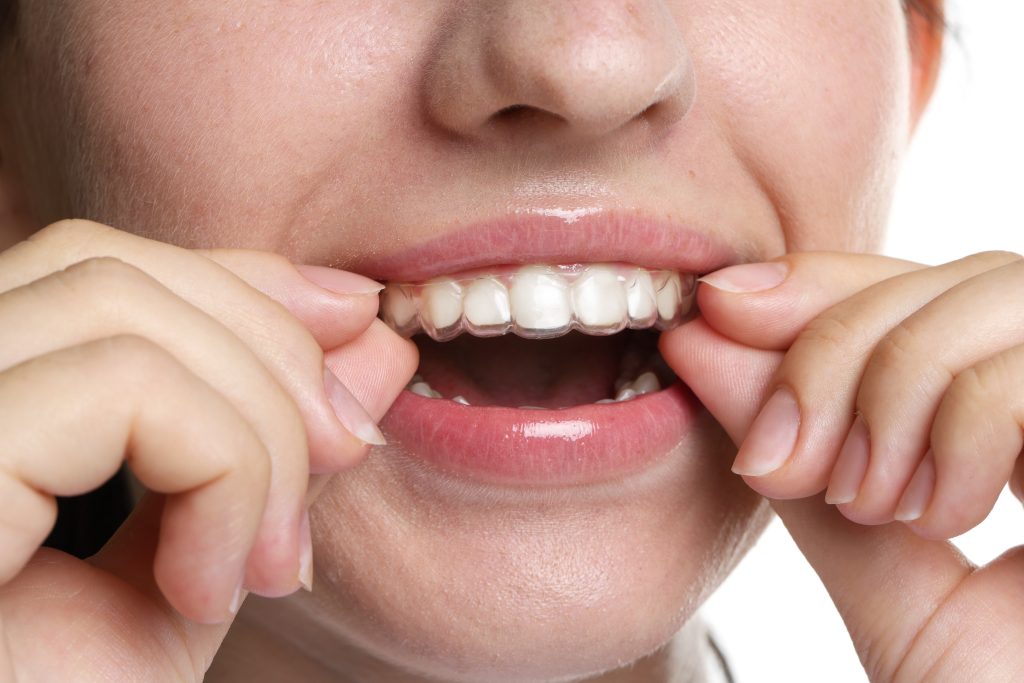
Invisalign® Clear Aligners
Invisalign uses a series of clear, removable aligners to gradually move your teeth. Because the trays are transparent, many people appreciate that they are less noticeable than traditional braces.
Some benefits include:
- Discreet appearance: Clear aligners are designed to be less noticeable while you smile and talk.
- Removable trays: You can take them out to eat, drink anything other than water, brush, and floss.
- No food restrictions while eating: Since you remove your aligners for meals, you can enjoy a wider variety of foods without worrying about damaging brackets or wires.
- Easier oral hygiene: You can brush and floss normally without working around braces.
Invisalign does require consistency. For treatment to stay on track, most patients need to wear their aligners for 20–22 hours each day, removing them only when appropriate. You also need to keep track of your trays and clean them regularly.
Clear aligners can treat many orthodontic concerns, but they are not the right fit for every case. Your orthodontist can determine whether Invisalign is appropriate for your teeth and bite.
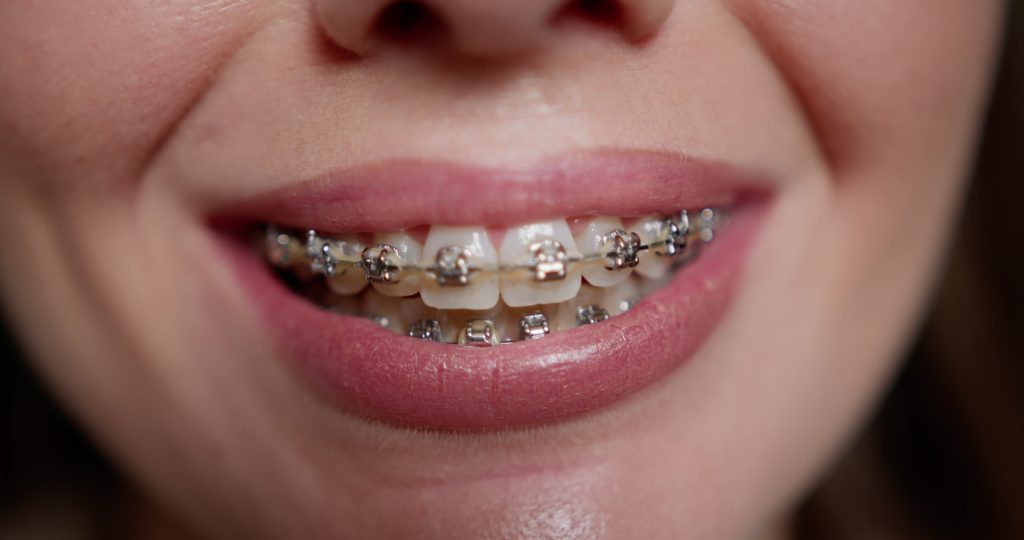
Traditional Metal Braces
Traditional metal braces use brackets and wires to gradually move teeth into their planned positions. They are a reliable treatment option for a wide range of orthodontic concerns, including many cases involving crowding and bite misalignment.
Some benefits include:
- Consistent wear: Braces remain in place throughout treatment, so you don’t have to remember to put them back in.
- Versatility: They can address many types of tooth and bite concerns.
- No removable trays: You won’t need to keep track of aligners or take them out for meals.
Because braces are fixed, you’ll need to make some adjustments to your eating habits. Hard, sticky, and chewy foods can damage brackets or wires. Brushing and flossing also require extra attention to clean around the appliances.
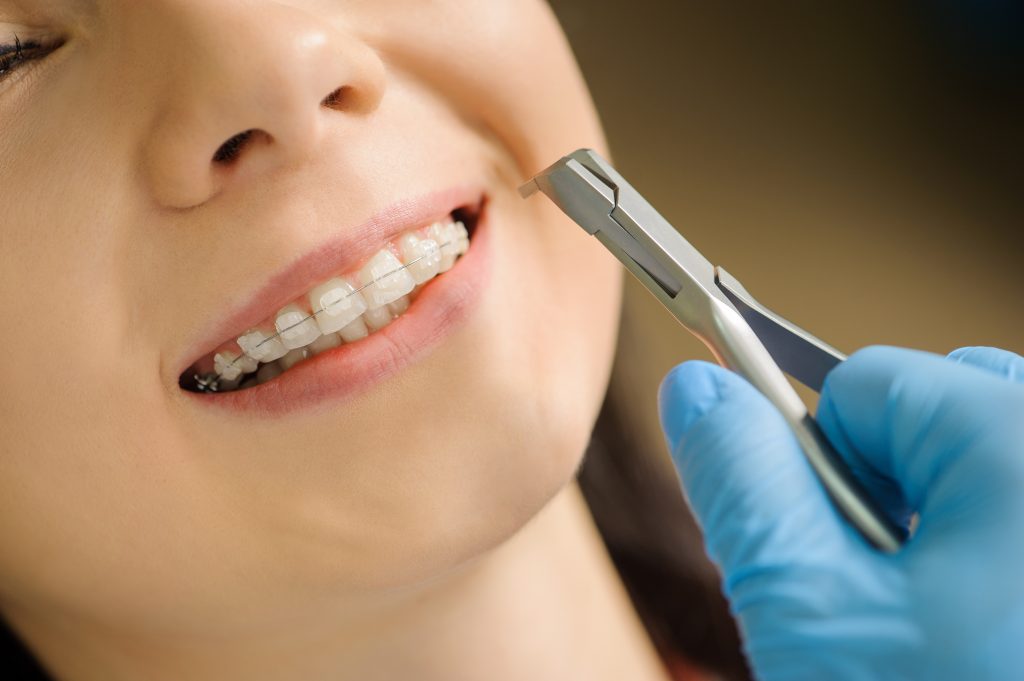
Clear Ceramic Braces
Clear ceramic braces work similarly to traditional metal braces, but they use tooth-colored or clear brackets that blend in more naturally with your smile.
They may be a good option if you want the structure of fixed braces with a less noticeable appearance. Like metal braces, ceramic braces stay in place throughout treatment and can address many orthodontic concerns.
You’ll still need to avoid foods that could damage your brackets and follow your orthodontist’s instructions for brushing, flossing, and appointments.
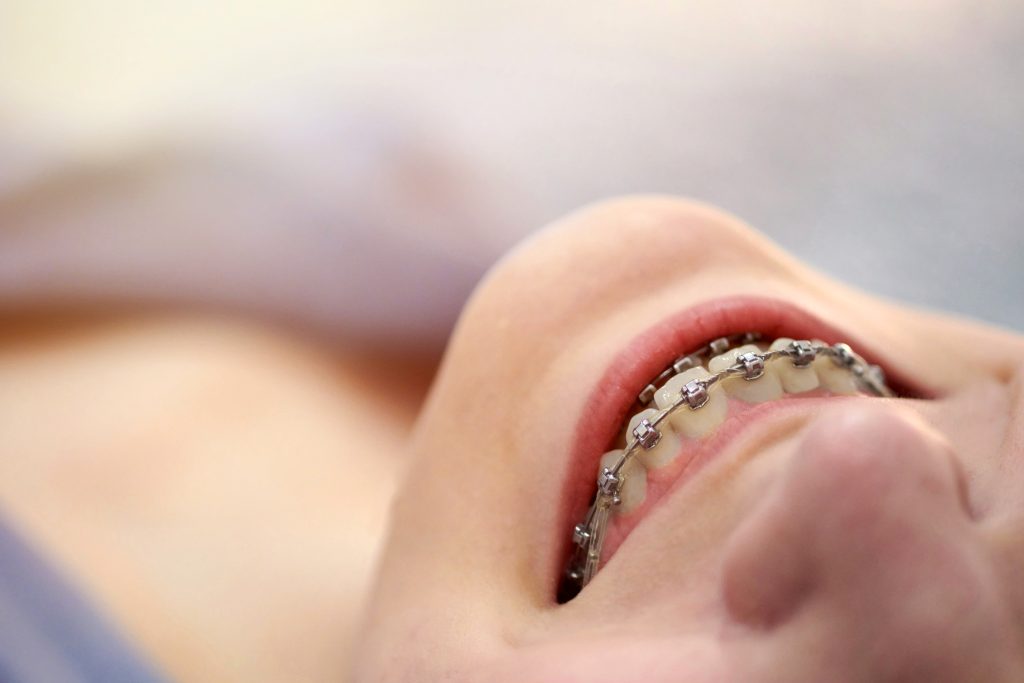
Damon® Braces
Damon braces use a self-ligating bracket system that holds the archwire without the traditional elastic ties used with conventional braces. They are available in metal and clear options.
Damon braces offer another fixed treatment choice for patients who want to straighten their teeth without removable aligners. Whether this system is appropriate depends on your individual orthodontic needs and treatment plan.
How Do You Know Which Treatment Is Best?
The best way to choose an orthodontic treatment is to have your teeth and bite evaluated by an orthodontist. A few factors can help guide the decision:
- Your orthodontic needs: The type and complexity of your tooth alignment or bite concerns can affect which treatments are appropriate.
- Your lifestyle: Consider whether you prefer removable aligners or a fixed appliance that stays in place.
- Your daily routine: Invisalign requires consistent wear, while braces require extra care when eating and cleaning your teeth.
- Your appearance preferences: Clear aligners and ceramic braces offer less noticeable options, while traditional metal braces are more visible.
- Your treatment goals: Your orthodontist can explain which options can address your concerns and what to expect during treatment.
Treatment time varies from person to person. Your orthodontist can provide a more realistic estimate after evaluating your smile.
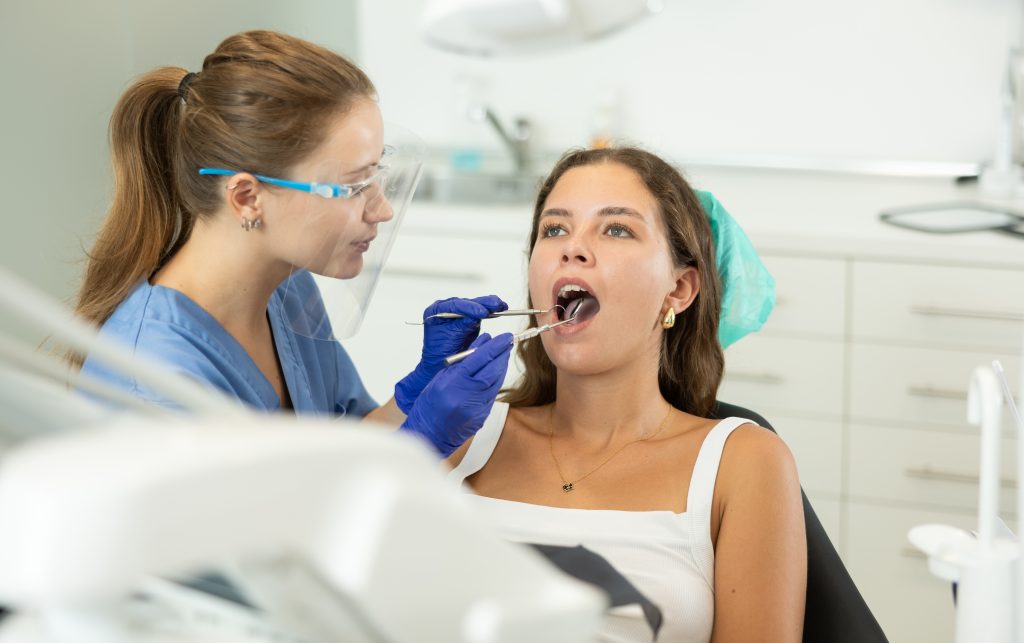
Find the Right Orthodontic Treatment at Unique Orthodontics
You don’t have to figure out your orthodontic options on your own. At Unique Orthodontics, our team can help you understand the differences between braces and Invisalign and determine which approach may work best for your smile.
We offer traditional metal braces, clear ceramic braces, Damon braces, and Invisalign at our eight Central Valley locations. Your complimentary consultation is a chance to discuss your goals, ask questions, and learn more about your treatment options.
Ready to take the next step? Schedule your complimentary consultation with Unique Orthodontics. We look forward to helping you find a treatment option that fits your smile!
Frequently Asked Questions
Is Invisalign better than traditional braces?
Neither option is best for everyone. Invisalign offers removable, clear aligners, while traditional braces stay in place and can address a wide range of orthodontic concerns. Your orthodontist can help determine which option is appropriate for your needs.
Can Invisalign fix crooked teeth?
Invisalign can correct many types of crooked teeth and alignment concerns. However, some cases may respond better to braces or another treatment approach. An orthodontic evaluation can help determine your options.
Are clear braces the same as Invisalign?
No. Clear ceramic braces are fixed appliances with tooth-colored or clear brackets and a wire. Invisalign uses removable, transparent plastic aligners. Both offer a less noticeable alternative to traditional metal braces, but they work differently.
How long does orthodontic treatment take?
Treatment time depends on your specific alignment concerns, the treatment method, and how consistently you follow your orthodontist’s instructions. Your orthodontist can estimate your timeline after an examination.
Do I need a consultation before choosing braces or Invisalign?
Yes. A consultation allows an orthodontist to evaluate your teeth and bite, discuss your goals, and explain which treatment options may be suitable for you.