

When it comes to your child’s smile, early evaluations can make a meaningful difference. Some orthodontic concerns are easier to monitor or address while a child is still growing. That’s why Unique Orthodontics offers the Growth Guidance Program, designed to monitor children’s dental and jaw development and help identify potential orthodontic concerns as they grow.
But who qualifies for the program, and when should your child get started? Here’s what parents should know about early orthodontic evaluations and how Growth Guidance works.
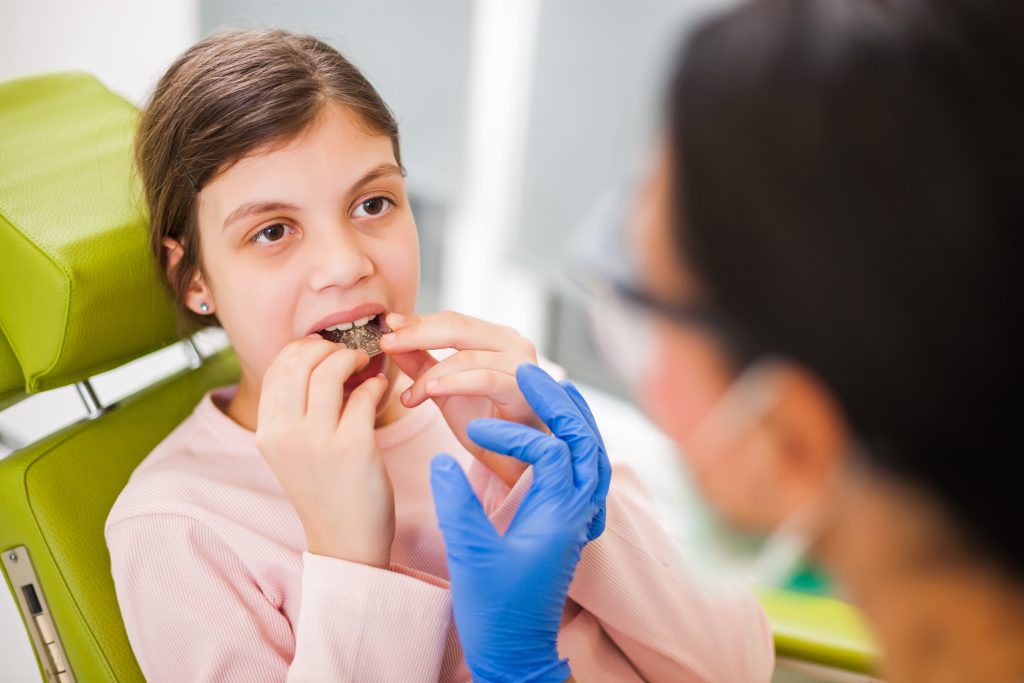
What Is the Growth Guidance Program?
The Growth Guidance Program at Unique Orthodontics gives children an opportunity to have their developing smiles monitored by an orthodontic professional.
Rather than beginning braces or other treatment right away, many children in the program simply return for periodic evaluations. Our team generally recommends check-ins every six to twelve months, depending on the child’s individual development and needs.
These visits allow us to observe changes in the teeth and jaws as permanent teeth begin to come in. If an orthodontic concern becomes more apparent, we can discuss whether treatment may be appropriate and when it would make sense to begin.
Who Qualifies for Growth Guidance?
The program is designed for growing children who may not need orthodontic treatment yet but could benefit from having their dental development monitored.
The American Association of Orthodontists recommends that children have their first orthodontic evaluation by age 7. At this age, children typically have a mix of baby teeth and permanent teeth, giving an orthodontist an opportunity to assess how their smile is developing.
Your child may benefit from Growth Guidance if they have concerns such as:
- Crowded or overlapping teeth: There may not be enough room for permanent teeth to come in comfortably.
- Early or late loss of baby teeth: The timing of baby tooth loss can sometimes affect how permanent teeth develop.
- Overbite or underbite: The upper and lower teeth may not fit together as expected.
- Crossbite or open bite: Certain teeth may not meet properly when your child bites down.
- Protruding front teeth: The upper front teeth may stick out farther than expected.
- Limited space for permanent teeth: Jaw development and available space may affect how adult teeth erupt.
These signs don’t necessarily mean your child needs braces. An orthodontic evaluation helps determine whether the concern needs treatment, continued monitoring, or no intervention at that time.

Why Is Early Orthodontic Monitoring Important?
Children’s teeth and jaws continue to develop as they grow. Monitoring this process gives an orthodontist the opportunity to identify certain concerns while there is still growth occurring.
Depending on the situation, early orthodontic treatment may help address specific problems involving jaw development, bite relationships, or space for incoming permanent teeth.
However, not every child needs early treatment. Some children simply benefit from periodic check-ins until more permanent teeth come in. Others may be better candidates for comprehensive orthodontic treatment during their teenage years.
The goal is to identify the right timing for each child’s needs rather than begin treatment before it’s necessary.
What Happens During a Growth Guidance Appointment?
During an evaluation, our orthodontic team looks at how your child’s teeth and bite are developing. We may also assess jaw relationships, available space for permanent teeth, and other factors that could affect their future smile.
Based on the evaluation, we may recommend:
- Returning for another checkup in six to twelve months
- Continuing to monitor dental and jaw development
- Beginning an appropriate early orthodontic treatment, if needed
- Waiting until more permanent teeth have erupted before considering braces
Every child develops differently, so recommendations are based on their individual needs.

Give Your Child’s Smile a Head Start at Unique Orthodontics
You don’t have to wait until all of your child’s permanent teeth come in to schedule an orthodontic evaluation. In fact, an early visit can help you understand how their smile is developing and whether any concerns deserve attention.
At Unique Orthodontics, our Growth Guidance Program helps families stay informed about their children’s orthodontic development. Our team is happy to answer your questions, explain our recommendations, and help you understand what comes next.
With eight convenient locations throughout the Central Valley, we make it easier for families to access orthodontic care as their children grow.
Wondering if your child qualifies? Schedule a complimentary consultation with Unique Orthodontics to learn more about our Growth Guidance Program.
Frequently Asked Questions About the Growth Guidance Program
At what age should my child have their first orthodontic evaluation?
The American Association of Orthodontists recommends an initial orthodontic evaluation by age 7. This allows an orthodontist to check how the teeth and jaws are developing and determine whether monitoring or early treatment may be appropriate.
Does my child need braces to join the Growth Guidance Program?
No. Many children in the program do not need braces right away. The purpose is to monitor their development and identify potential concerns as they grow.
How often will my child need Growth Guidance appointments?
At Unique Orthodontics, children generally return every six to twelve months. The recommended schedule depends on their individual development and orthodontic needs.
What happens if the orthodontist finds a problem?
If an evaluation identifies a concern, our team will explain what it means and discuss the available options. Depending on the situation, we may recommend early treatment, continued monitoring, or waiting until your child is older.
Does every child need early orthodontic treatment?
No. Some children benefit from early intervention, while others do not need treatment until their teenage years. An orthodontist can help determine the most appropriate timing based on your child’s development.