
Wondering whether you need dental braces? Braces can do more than straighten teeth. Depending on your needs, orthodontic treatment can improve your bite, make teeth easier to clean, and support better dental function.
But are braces necessary, and are they worth it? It depends on your teeth, bite, oral health, and treatment goals. An orthodontic evaluation is the best way to find out.
What Are Dental Braces?
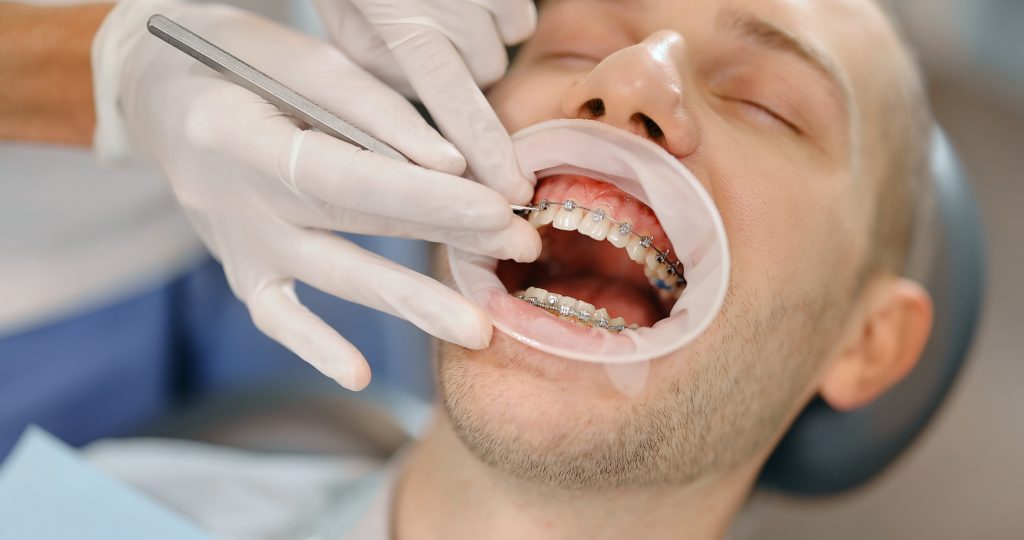
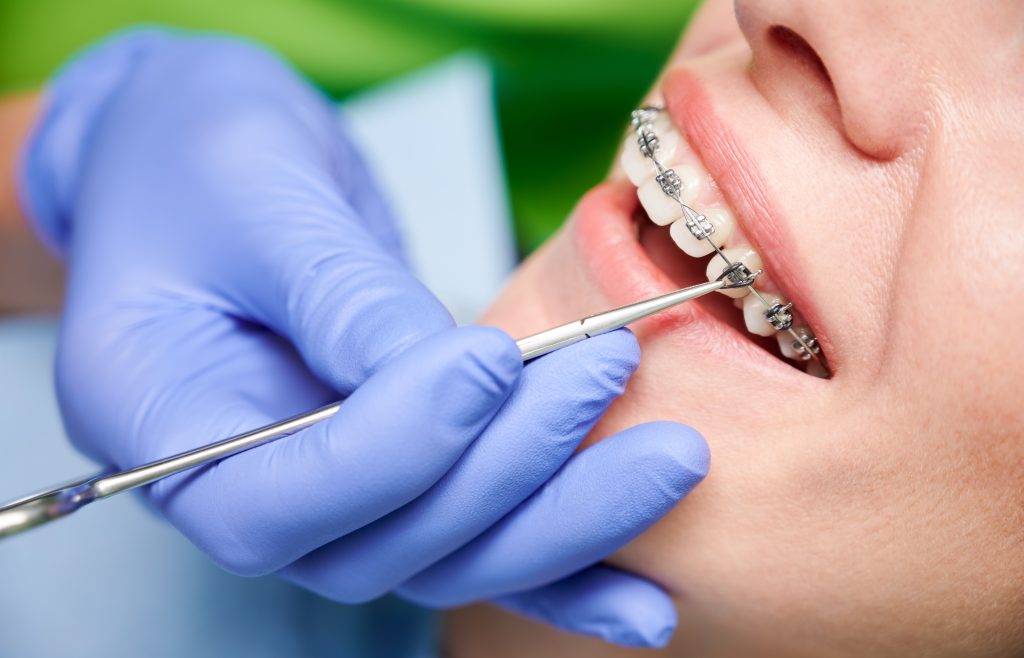
Dental braces are orthodontic appliances that gradually move teeth into better positions. Traditional braces use brackets and wires to apply gentle, controlled pressure.
Braces can help correct:
- Crowded or overlapping teeth
- Gaps between teeth
- Overbites
- Underbites
- Crossbites
- Open bites
- Certain chewing and alignment problems
Your orthodontist will recommend treatment based on your individual needs.
Are Braces Necessary?
Not everyone with crooked teeth needs braces. Mild alignment concerns may not significantly affect your oral health or function.
However, braces may be recommended when tooth or jaw alignment makes it difficult to properly bite, chew, speak, or clean your teeth. Severe crowding, for example, can make brushing and flossing more difficult.
An orthodontist can determine whether treatment is necessary after examining your teeth and bite.
Benefits of Dental Braces
Straighter Teeth
Braces can move crooked, rotated, or overlapping teeth into better positions, creating a more aligned smile.
Improved Bite
Braces can correct certain overbites, underbites, crossbites, and open bites. A healthier bite can improve how your teeth work together when you chew.
Easier Oral Hygiene
Straighter teeth may be easier to brush and floss, helping you maintain good oral hygiene.
Better Dental Function
Orthodontic treatment isn’t only cosmetic. Correcting certain alignment problems can improve how your teeth function together.
Greater Smile Confidence
For many patients, having a more aligned smile can improve confidence and how they feel about their appearance.
Dental Braces: Pros and Cons
Like any treatment, braces have both benefits and considerations.
Pros
- Improve tooth and bite alignment
- May make teeth easier to clean
- Can improve chewing and dental function
- Address many orthodontic concerns
- Can improve smile appearance and confidence
Cons
- Treatment takes time
- Some foods may need to be avoided
- Braces require careful cleaning
- Temporary soreness is possible
- Regular appointments are needed
- Retainers are needed after treatment to maintain results
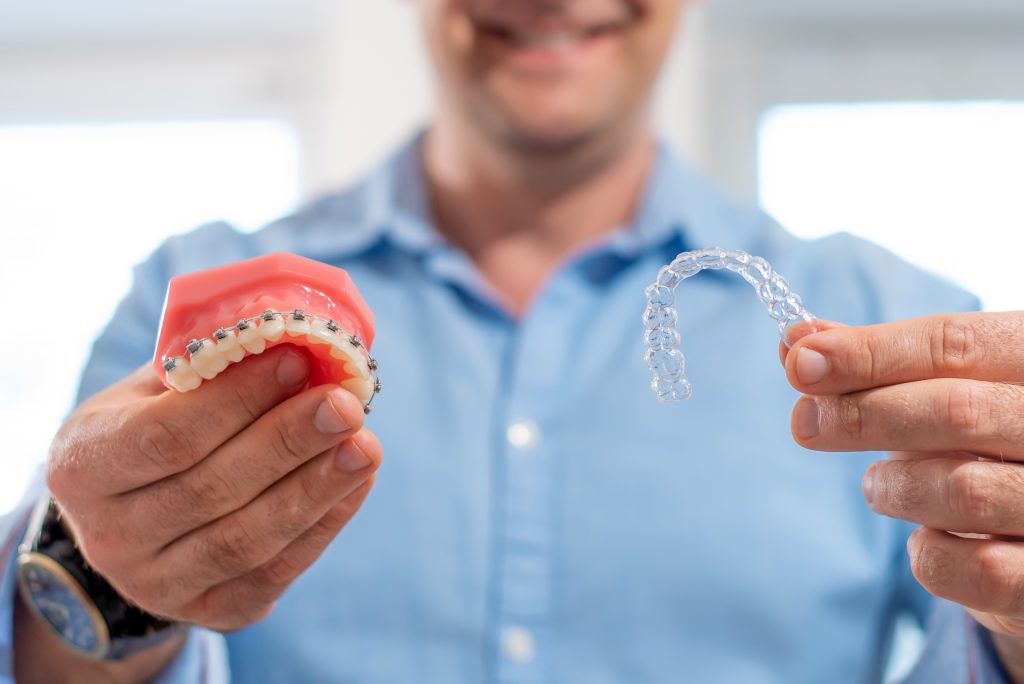
Braces vs. Clear Aligners
Braces aren’t the only option for straightening teeth. Some patients may also be candidates for clear aligners.
Braces use brackets and wires to move teeth and can treat many types of orthodontic problems.
Clear aligners are removable, transparent trays that gradually move teeth and can provide a more discreet treatment option for appropriate patients.
The best choice depends on your orthodontic needs, lifestyle, and treatment goals.

What Happens If You Don’t Get Braces?
Not every alignment problem requires treatment. However, some untreated orthodontic problems may contribute to:
- Difficulty cleaning certain areas
- Increased plaque buildup
- Uneven tooth wear
- Difficulty chewing
- Bite-related discomfort
- Gum problems
Your orthodontist can help you understand whether leaving your specific concern untreated could affect your oral health or function.

Are Braces Worth It?
For many patients, braces can be a worthwhile investment in their smile and oral health. Treatment may improve tooth alignment, bite function, oral hygiene, and confidence.
However, braces aren’t right for everyone. An orthodontic evaluation can help you understand whether treatment would benefit you and what options are available.
Can Adults Get Braces?
Yes! Orthodontic treatment isn’t just for children and teens. Adults can also benefit from braces or clear aligners.
Teeth can shift over time, and orthodontic treatment can address alignment and bite concerns at many ages.
What Happens After Braces?
After treatment, you’ll need to wear a retainer to help keep your teeth in their new positions.
Teeth naturally shift over time, so following your orthodontist’s retainer instructions is an important part of maintaining your results.
The Bottom Line
Dental braces aren’t necessary for everyone, but they can be beneficial for people with certain tooth and bite alignment problems.
The potential benefits include straighter teeth, improved bite function, easier oral hygiene, and greater confidence. The trade-offs include treatment time, temporary discomfort, dietary adjustments, and the need for retainers.
The best way to determine whether braces are right for you is to have your teeth and bite evaluated by an orthodontist.
Start Your Smile Journey at Unique Orthodontics
At Unique Orthodontics, we offer braces and clear aligners for children, teens, and adults throughout California’s Central Valley.
Our complimentary orthodontic consultations give you the opportunity to discuss your smile, learn about your treatment options, and find out whether orthodontic treatment may be right for you.
Ready to learn if braces are right for you? Schedule your complimentary consultation with Unique Orthodontics today.