

If your child’s orthodontist has mentioned a palatal expander, you may be wondering what it is, why your child needs one, and whether it will hurt.
A palatal expander is an orthodontic appliance used to gradually widen the upper jaw. It is commonly recommended for growing children with certain bite problems, including crossbites and narrow upper arches.
Here’s what parents should know about palatal expanders and what to expect during treatment.
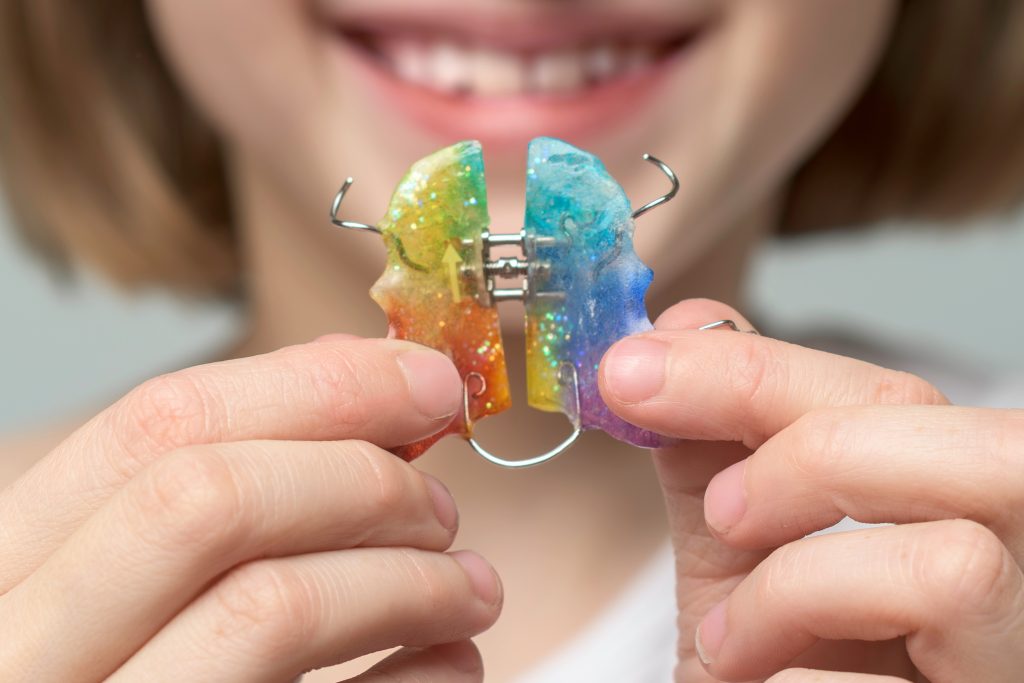
What Is a Palatal Expander?
A palatal expander, sometimes called a palate expander or rapid palatal expander (RPE), sits along the roof of the mouth and is typically attached to the upper back teeth.
Depending on the appliance, it may use a small screw, spring, or another mechanism to apply gentle pressure and gradually widen the upper jaw.
Not every child needs an expander. Your orthodontist will evaluate your child’s teeth, bite, jaw development, and overall treatment needs before recommending one.
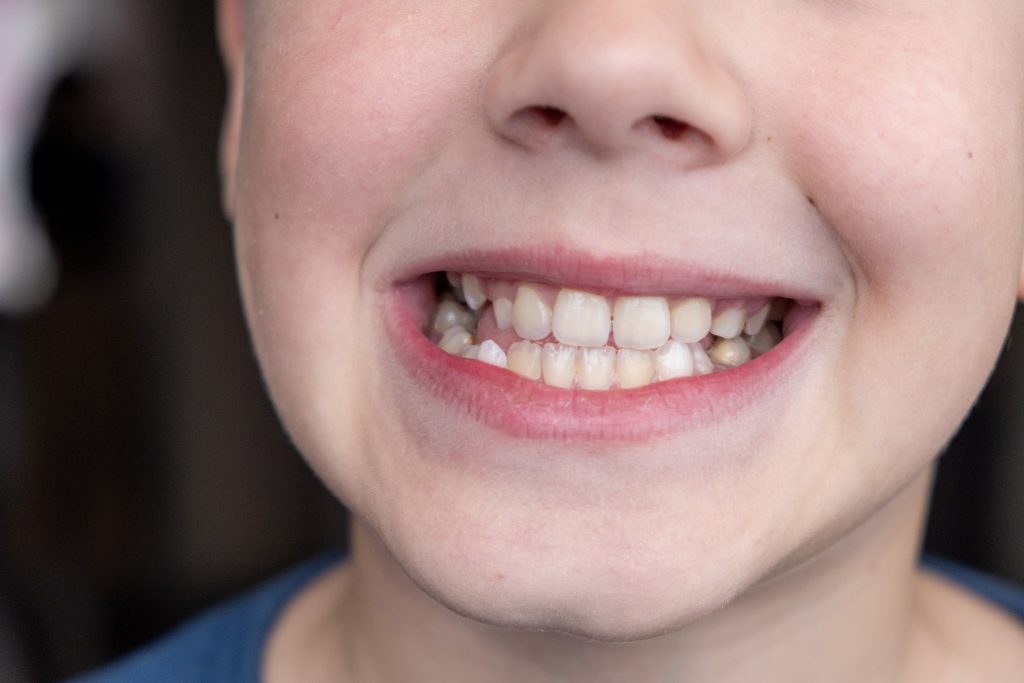
Why Would a Child Need a Palatal Expander?
One of the most common reasons for expansion is a crossbite, which can happen when the upper jaw is too narrow compared with the lower jaw.
An orthodontist may also recommend expansion for children with:
- A narrow upper jaw
- Certain types of crowding
- Limited space for permanent teeth
- Certain impacted or poorly positioned teeth
Expansion may also be part of Phase 1 orthodontic treatment, which addresses specific orthodontic concerns while a child is still growing.
How Does a Palatal Expander Work?
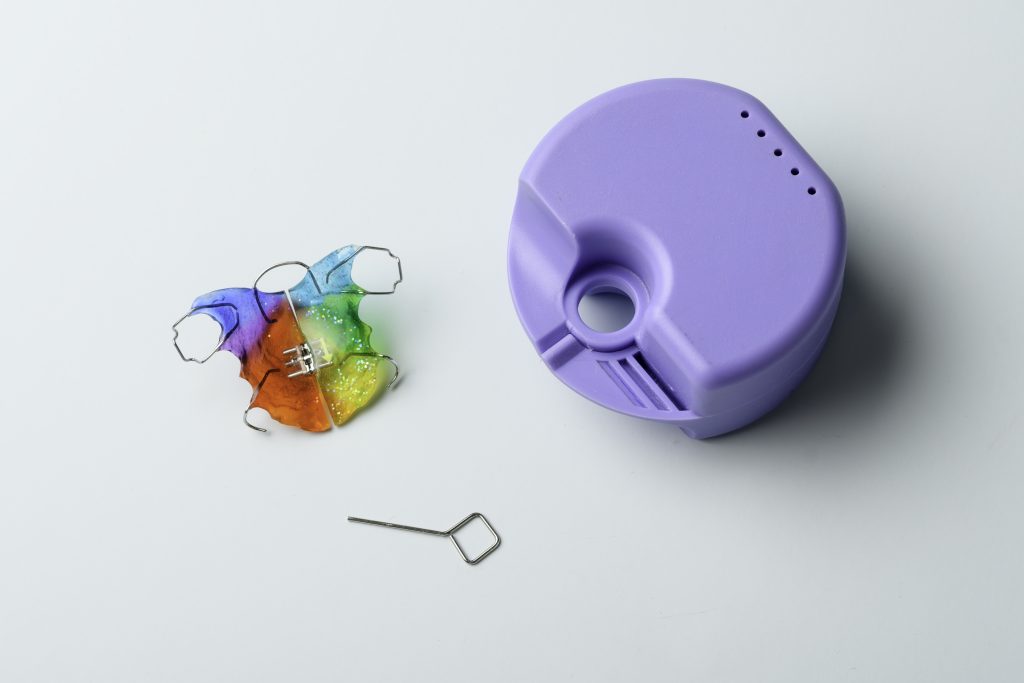
As the expander is activated, it applies gentle pressure to gradually widen the upper jaw. Your orthodontist will provide instructions for activating the appliance, if needed, and monitor your child’s progress during regular visits.
Once the desired amount of expansion is reached, the appliance may remain in place for a period of time to help stabilize the result.

What Age Is Best for a Palatal Expander?
There isn’t one specific age that works for every child. Timing depends on your child’s growth and the reason expansion is recommended.
Expansion is generally easier to accomplish while a child is still growing. This is one reason the American Association of Orthodontists recommends an orthodontic evaluation around age 7. An early evaluation doesn’t necessarily mean your child needs treatment. It allows an orthodontist to monitor how the jaws and permanent teeth are developing.
Does a Palatal Expander Hurt?
Most children notice some pressure, tightness, or mild soreness when an expander is first placed or adjusted. It can also feel strange at first because the tongue needs time to get used to it.
Temporary changes can include:
- Increased saliva
- Mild tenderness
- A feeling of fullness
- Temporary speech changes
Most children adjust as they become familiar with the appliance. If your child experiences significant or persistent discomfort, contact your orthodontist.
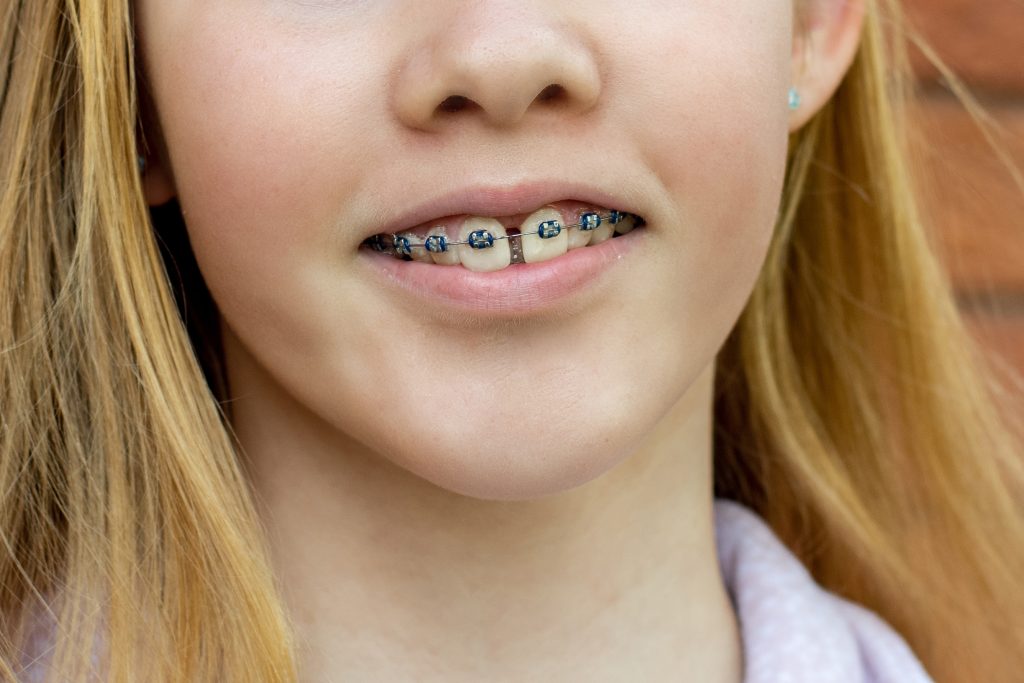
Will My Child Get a Gap Between Their Front Teeth?
A temporary gap between the upper front teeth can happen during expansion. While it may look surprising, it can be a normal part of the expansion process.
As treatment continues, additional orthodontic treatment can address spaces and tooth alignment when needed.
How Long Does a Palatal Expander Stay In?
Every treatment plan is different. Some children go through an active expansion period followed by additional time wearing the appliance to help stabilize the result.
Your orthodontist will monitor your child’s progress and let you know when the expander is ready to be removed or when treatment should move to the next phase.

How Do You Clean a Palatal Expander?
Food can collect around an expander, so good oral hygiene is important. Encourage your child to:
- Brush twice a day
- Carefully clean around the expander and supporting teeth
- Rinse with water after eating when possible
- Follow their orthodontist’s cleaning instructions
Your orthodontic team can also show your child the best way to keep their appliance clean.
Does Every Child With Crowding Need an Expander?
No. Crowding can have several causes, and an expander isn’t automatically the right treatment for every child.
Your orthodontist will consider your child’s jaw width, bite, tooth development, available space, and overall growth before recommending treatment.
Could a Palatal Expander Be Right for Your Child?
A palatal expander can be an important part of treatment for children who need help widening a narrow upper jaw or correcting certain bite problems. The best way to know whether your child could benefit is through an orthodontic evaluation.
At Unique Orthodontics, our complimentary Growth Guidance Program helps us monitor your child’s smile and jaw development as they grow and determine the best timing for orthodontic treatment, if needed.
Children in our Growth Guidance Program are typically evaluated every 6 to 12 months, allowing our team to track development and identify potential orthodontic concerns at the appropriate time. If expansion or another type of treatment becomes appropriate, we’ll explain your options and help determine the right time to begin.
Have questions about your child’s smile? Schedule a complimentary Growth Guidance evaluation with Unique Orthodontics and let our team help guide their smile as they grow.