
You may already know that medications like Ozempic®, Wegovy®, and Zepbound® can help manage blood sugar and support weight management. But did you know they may also have indirect effects on your oral health?
As GLP-1 medications become more common, questions about their effects on teeth and gums are gaining attention. Some people report dry mouth, bad breath, changes in taste, and nausea while taking these medications. Although GLP-1 medications are not known to directly damage teeth, certain side effects may make it harder to maintain a healthy smile.
So, can Ozempic cause cavities? Can it make your teeth sensitive? Let’s explore what you should know and how to protect your smile.

What Are GLP-1 Medications?
GLP-1 stands for glucagon-like peptide-1, a hormone that helps regulate blood sugar, digestion, and appetite. GLP-1 medications mimic this hormone to help manage blood sugar and influence appetite.
Some commonly prescribed medications include:
- Ozempic® (semaglutide): Used to manage type 2 diabetes.
- Wegovy® (semaglutide): Used for chronic weight management and other approved indications.
- Mounjaro® (tirzepatide): Used to manage type 2 diabetes.
- Zepbound® (tirzepatide): Used for chronic weight management and other approved indications.
According to the FDA prescribing information, common side effects of Ozempic include nausea, vomiting, diarrhea, abdominal pain, and constipation.
While these medications offer important health benefits, some side effects may indirectly affect your teeth and gums.
How Can Ozempic Affect Your Teeth and Gums?
The relationship between GLP-1 medications and oral health is still being researched. However, some side effects may create conditions that increase the risk of dental problems.

1. Dry Mouth and Cavities
Dry mouth, also known as xerostomia, occurs when your mouth does not produce enough saliva.
Saliva helps wash away food particles, neutralize acids, and protect tooth enamel. When saliva decreases, your teeth may become more vulnerable to cavities, sensitivity, and gum irritation.
Signs of dry mouth include:
- A sticky or unusually dry feeling in your mouth.
- Persistent bad breath.
- Difficulty swallowing without water.
- Increased tooth sensitivity.
- More frequent cavities.
The National Institute of Dental and Craniofacial Research explains that reduced saliva can increase the risk of tooth decay.
2. Nausea, Vomiting, and Enamel Erosion
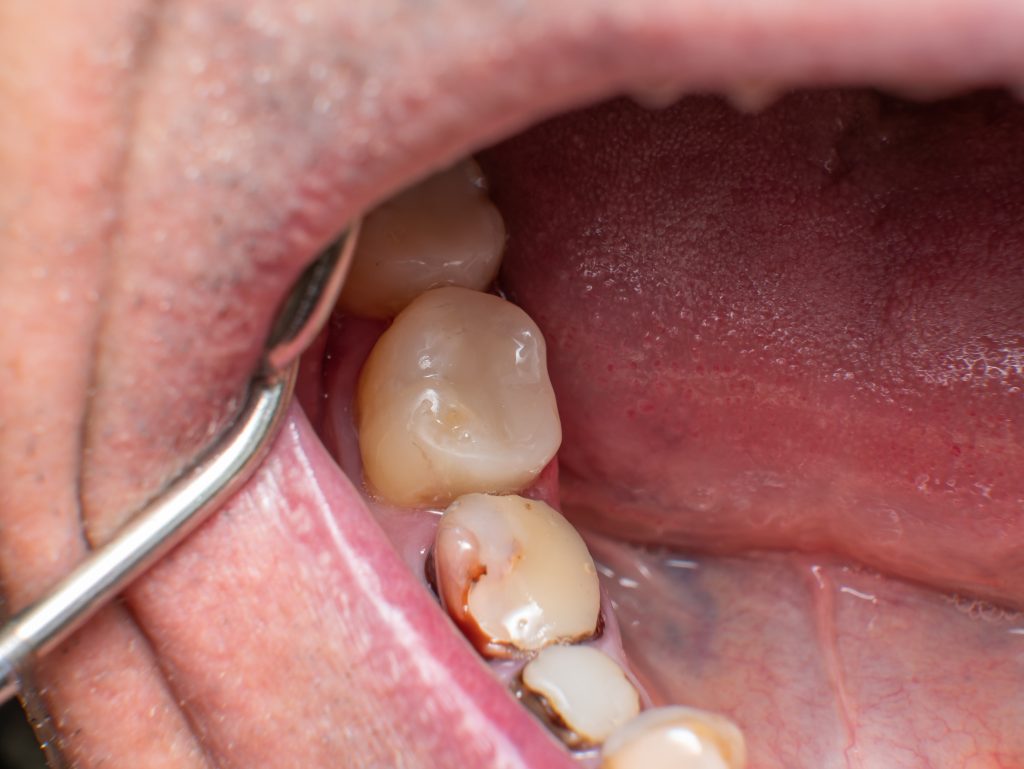
Nausea is a commonly reported side effect of GLP-1 medications. However, repeated vomiting or acid reflux is what can create concerns for your teeth.
Stomach acid can gradually wear away enamel, the protective outer layer of your teeth. This process is called dental erosion.
Over time, repeated acid exposure may cause:
- Tooth sensitivity.
- Yellowing or discoloration.
- Worn-looking tooth surfaces.
- Small indentations on chewing surfaces.
What should you do after vomiting?
Rinse your mouth with water instead of brushing immediately. Stomach acid temporarily softens enamel, and brushing too soon may contribute to additional wear. If vomiting or reflux happens frequently, speak with your healthcare provider.

3. Changes in Appetite and Nutrition
GLP-1 medications can reduce appetite, making some people feel full sooner or eat smaller meals.
Although eating less does not automatically mean you are malnourished, significant dietary changes can make it harder to get enough nutrients.
Your teeth and gums rely on important nutrients, including:
- Calcium: Helps maintain strong teeth and bones.
- Vitamin D: Helps your body absorb calcium.
- Vitamin C: Supports healthy gum tissue.
- Protein: Supports tissue maintenance and repair.
Choosing nutrient-rich foods during smaller meals can help support your overall health.
4. Bad Breath and Changes in Taste
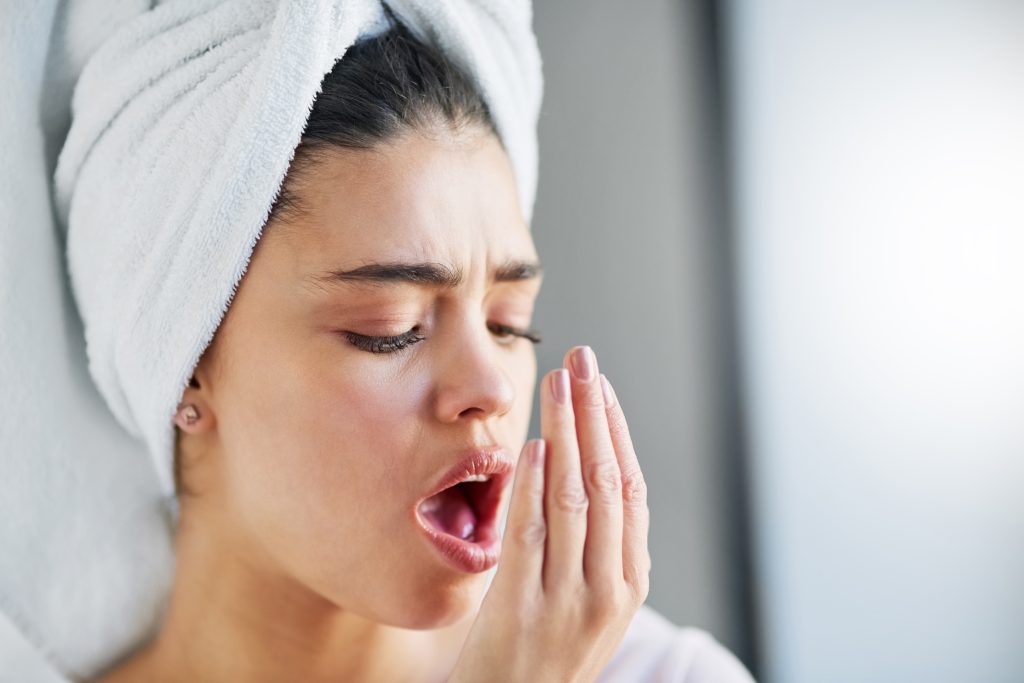
Dry mouth, reduced food intake, and gastrointestinal symptoms may contribute to bad breath or unusual taste sensations.
When saliva decreases, bacteria and food particles may remain in your mouth longer, potentially contributing to unpleasant breath.
Persistent bad breath or changes in taste can have several causes, so consider scheduling a dental evaluation if these symptoms do not improve.

6 Ways to Protect Your Smile While Taking GLP-1 Medications
Maintaining good oral hygiene is important whether you take Ozempic, Wegovy, Mounjaro, Zepbound, or another medication.
Here are six simple habits to help protect your teeth:
- Brush twice a day: Use fluoride toothpaste to remove plaque and help strengthen enamel.
- Floss daily: Clean between your teeth to remove food particles and plaque your toothbrush may miss.
- Stay hydrated: Drink water regularly to help relieve dry mouth.
- Rinse after vomiting: Use water to clear stomach acid and avoid brushing immediately afterward.
- Eat nutrient-rich foods: Include foods containing calcium, vitamin D, vitamin C, and protein.
- Keep dental appointments: Regular visits help your dentist monitor your teeth and gums and identify concerns early.
If you experience persistent dry mouth or frequent acid reflux, let your dentist know so they can recommend additional preventive care.
Can You Get Braces or Invisalign While Taking Ozempic?
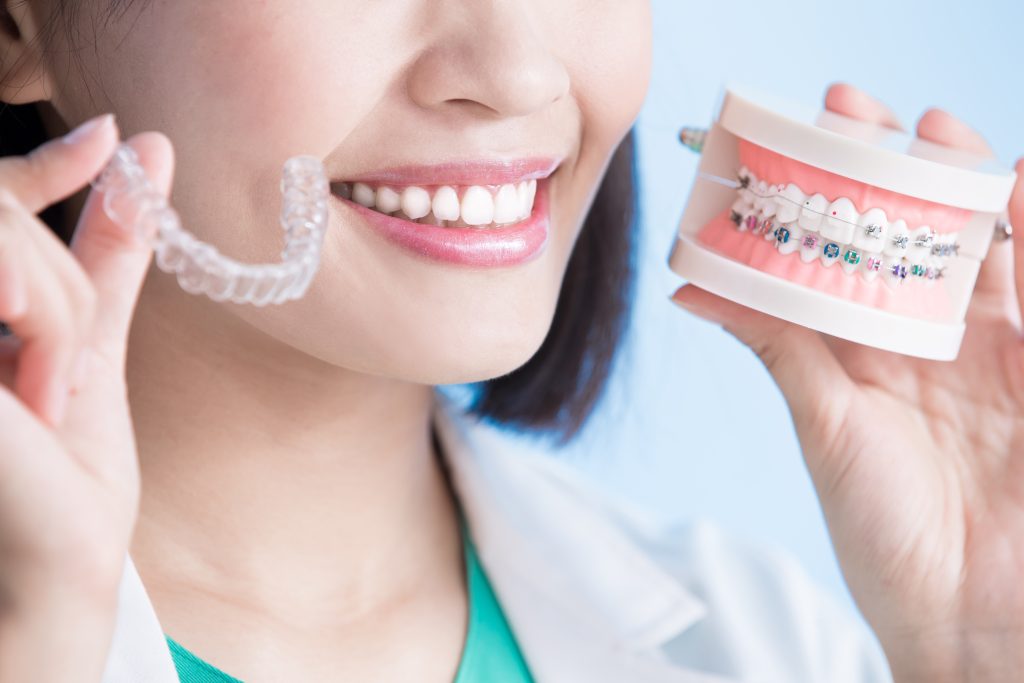
Taking a GLP-1 medication does not automatically prevent you from getting braces or Invisalign®.
However, maintaining good oral hygiene is especially important during orthodontic treatment. Braces and other appliances can create additional areas where plaque and food particles collect.
If you’re considering orthodontic treatment, remember to:
- Brush carefully around brackets, wires, and your gumline.
- Stay hydrated throughout the day.
- Inform your orthodontist about your medications and any ongoing side effects.
- Keep up with your scheduled appointments.
At Unique Orthodontics, we believe understanding your oral health is an important part of achieving a healthy, confident smile.
Frequently Asked Questions About Ozempic and Dental Health
Does Ozempic Cause Cavities?
There is currently no established evidence that Ozempic directly causes cavities or damages enamel. However, side effects such as dry mouth and repeated vomiting may indirectly increase the risk of tooth decay and enamel erosion.
What Are Ozempic Teeth?
“Ozempic teeth” is an informal term describing oral health concerns reported by some people taking GLP-1 medications, including dry mouth, bad breath, tooth sensitivity, and enamel erosion. It is not an official medical or dental diagnosis.
Can Ozempic Cause Bad Breath?
Some people report bad breath while taking GLP-1 medications. Dry mouth, changes in eating habits, and gastrointestinal symptoms may contribute.
Should I Brush My Teeth After Vomiting?
Rinse your mouth with water first and avoid brushing immediately. Stomach acid can temporarily soften enamel, making it more vulnerable to brushing-related wear.
Can I Get Braces While Taking Ozempic?
Yes! Taking Ozempic does not automatically prevent you from receiving orthodontic treatment. However, maintaining good oral hygiene and informing your orthodontist about your medications is important.
Should I Tell My Dentist If I Take Ozempic or Wegovy?
Absolutely. Share your current medication list with your dentist and orthodontist, especially if you experience dry mouth, frequent vomiting, or increased tooth sensitivity.
Is Ozempic-Related Tooth Damage Permanent?
It depends on the concern. Dry mouth and bad breath may improve when their underlying causes are addressed. However, enamel that has physically worn away does not grow back, and established cavities may require professional treatment.
Give Your Smile the Attention It Deserves!
Taking care of your smile involves more than brushing and flossing. Your medications, nutrition, hydration, and everyday habits can all play a role in your oral health.
If you’re taking a GLP-1 medication, pay attention to changes in your mouth, keep your healthcare providers informed, and stay consistent with your dental care routine.
Thinking about straightening your teeth? Unique Orthodontics is here to help! Schedule your complimentary orthodontic consultation and discover your options for a healthier, more confident smile.
At Unique Orthodontics, we’re here to give you something to smile about!