

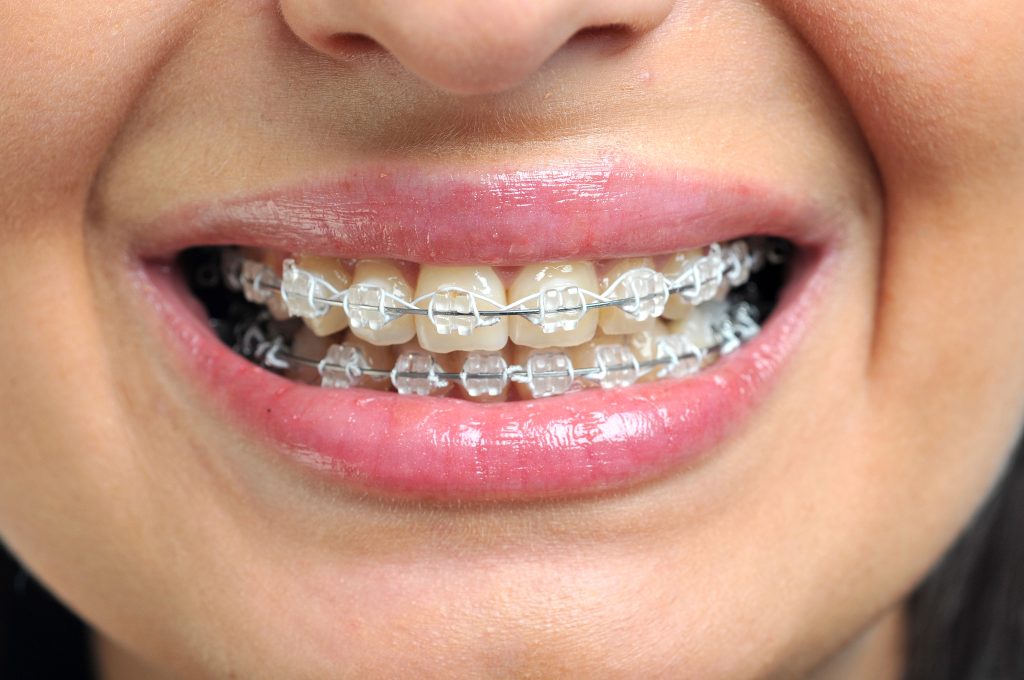
If you want a straighter smile without the noticeable look of traditional metal braces, clear braces with clear bands may be a great option. These braces use tooth-colored or transparent ceramic brackets paired with clear elastic bands to help your orthodontic appliance blend in with your natural teeth.
But are clear braces completely invisible? Do the bands turn yellow? And how do clear braces compare with metal braces and clear aligners?
At Unique Orthodontics, we help patients throughout California’s Central Valley explore orthodontic options that fit their smiles, lifestyles, and treatment goals. Here’s what you should know about clear braces and how to care for them.
What Are Clear Braces With Clear Bands?
Clear braces are fixed orthodontic appliances that use transparent or tooth-colored ceramic brackets instead of traditional metal brackets. An orthodontist attaches the brackets to your teeth and connects them with an orthodontic wire to gradually move your teeth into better alignment.
Clear elastic bands, also called ligatures, hold the wire in place on brackets that use this type of attachment. Because the brackets and bands blend with your natural tooth color, they make braces less noticeable than traditional metal braces.
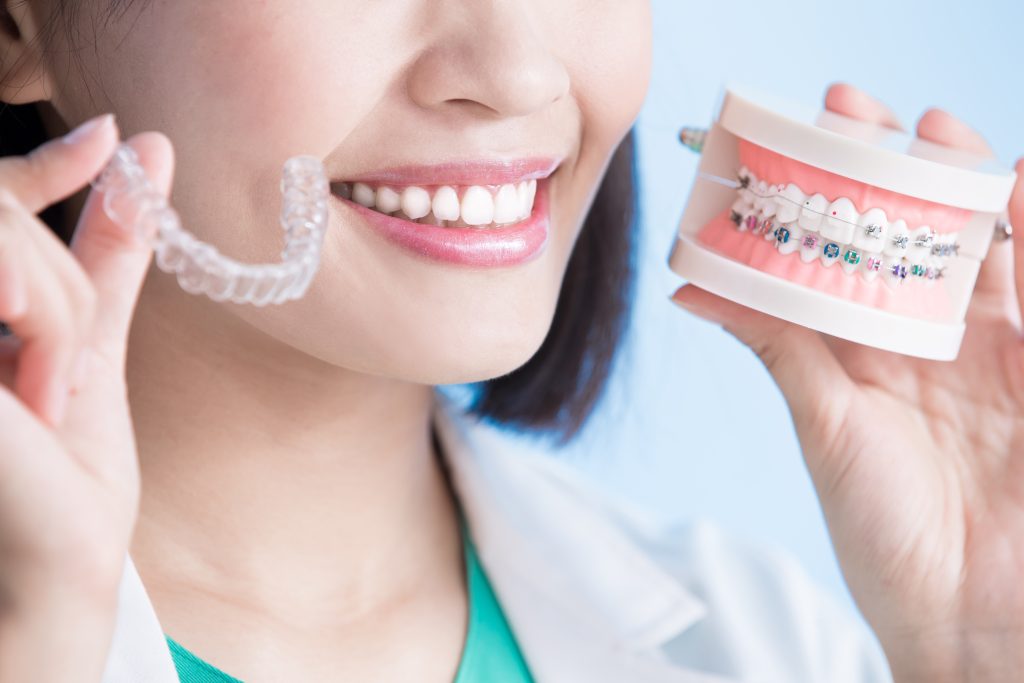
It is important to understand that clear braces are not the same as clear aligners. Clear braces stay attached to your teeth throughout treatment, while clear aligners are removable plastic trays.
Do Clear Braces and Clear Bands Turn Yellow?
One of the most common questions about clear braces is whether they stain or turn yellow.
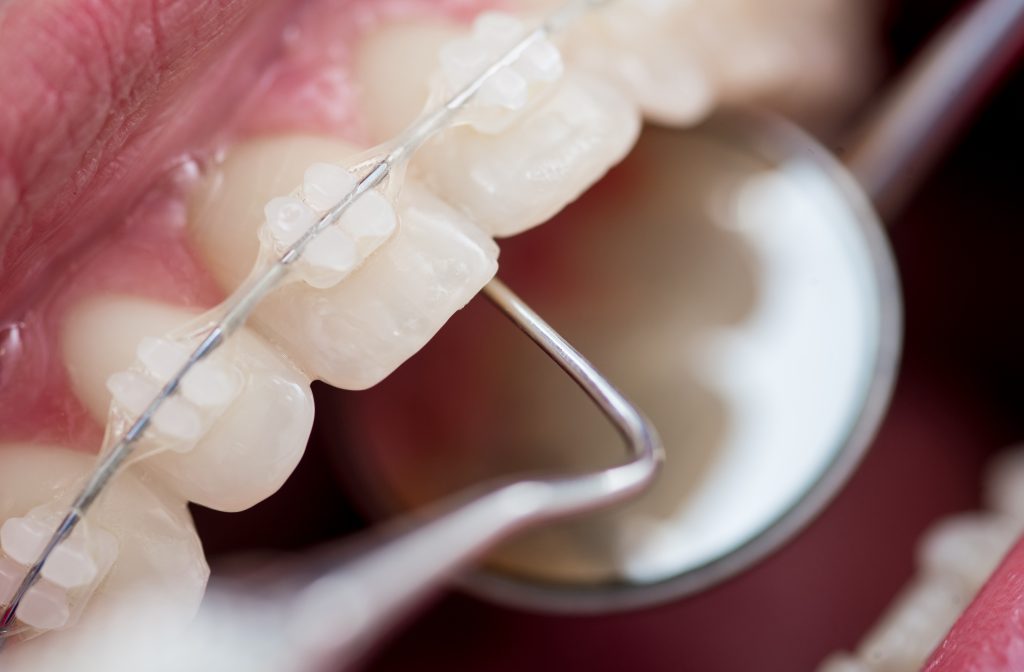
The ceramic brackets themselves are generally resistant to staining. However, clear elastic bands can discolor over time as they come into contact with foods, drinks, and plaque.
Common causes of staining include:
- Coffee and tea: Dark pigments can discolor clear elastics.
- Tomato-based sauces: Foods such as pasta sauce may leave visible stains.
- Curry and other strongly colored foods: Certain spices and pigments can affect the appearance of clear bands.
- Smoking or tobacco use: These can contribute to discoloration and negatively affect oral health.
- Plaque buildup: Inadequate brushing can make clear elastics look yellow or dull.
The good news is that clear elastic bands are typically replaced during routine orthodontic adjustment appointments. Your orthodontist can provide fresh bands to help restore their appearance.
How Can You Keep Clear Bands Looking Clean?
To help your clear braces look their best:
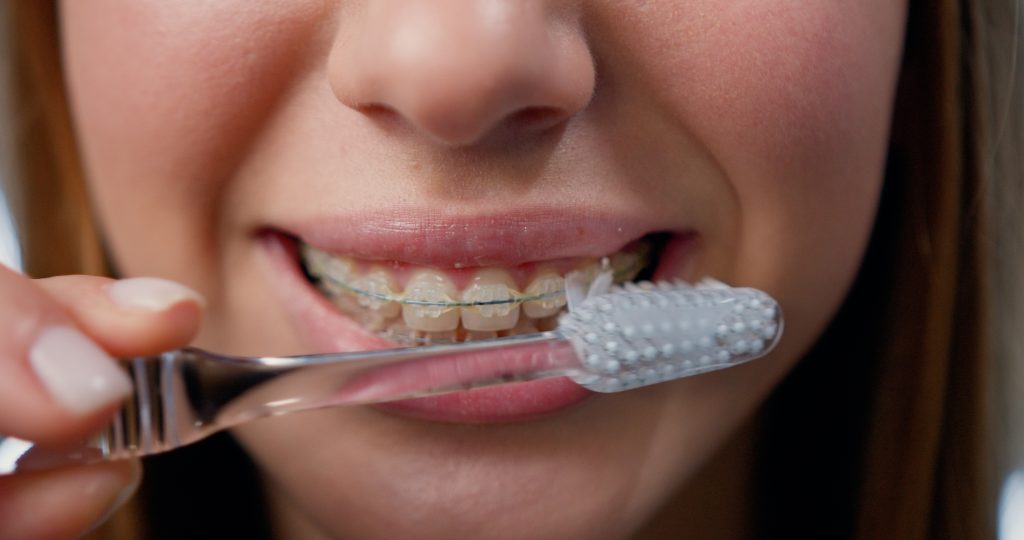
- Brush thoroughly after meals when possible, especially around your brackets and along the gumline.
- Floss daily using an orthodontic-friendly flossing tool or another method recommended by your orthodontist.
- Rinse your mouth with water after consuming staining foods or drinks when brushing is not immediately possible.
- Limit frequent exposure to dark-colored drinks and strongly pigmented foods.
- Keep up with your scheduled orthodontic appointments.
If you are concerned about staining, ask your orthodontist about alternative elastic colors. Pearl, silver, or smoke-colored bands may make discoloration less noticeable than clear bands.
Clear Braces vs. Metal Braces
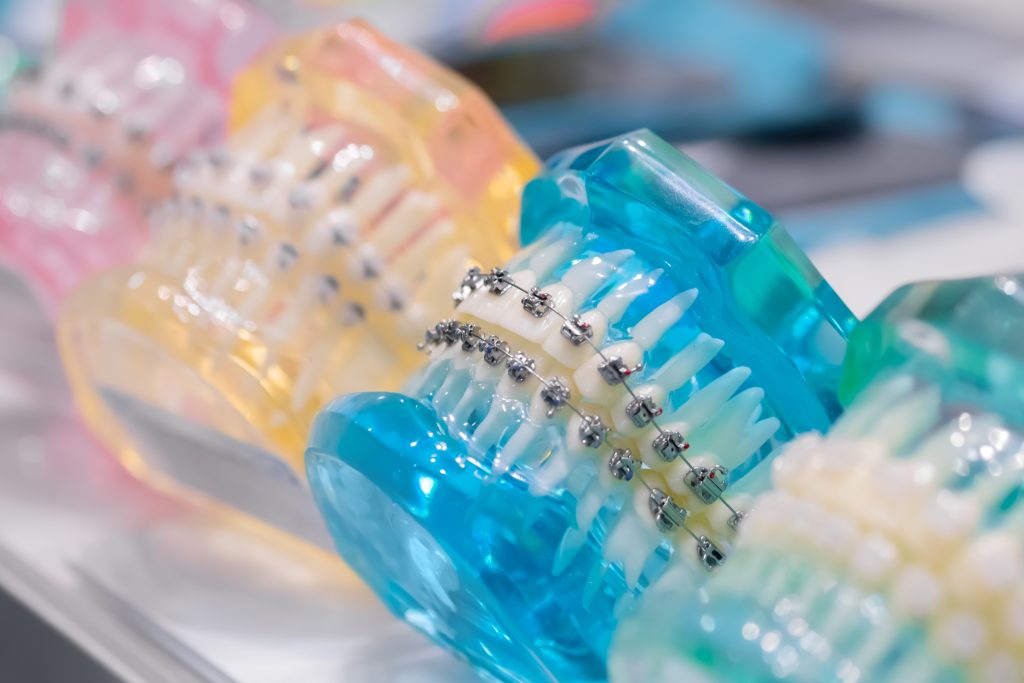
Clear ceramic braces and traditional metal braces work in similar ways. Both use brackets and wires to guide teeth into better alignment over time.
The main differences involve appearance, material, and care.
Clear ceramic braces are a popular choice for patients who want a more discreet fixed appliance. Their tooth-colored brackets blend in with natural teeth, making them less noticeable in everyday conversations and photographs.
Traditional metal braces use stainless steel brackets and are highly visible. They are durable and can treat a wide range of orthodontic concerns.
Neither option is automatically better for every patient. Your orthodontist will consider your bite, alignment needs, and treatment goals when recommending an appliance.
Clear Braces vs. Clear Aligners
Clear braces and clear aligners both offer alternatives to traditional metal braces, but they work differently.
| Feature | Clear Ceramic Braces | Clear Aligners |
| Appearance | Tooth-colored brackets and a visible wire | Transparent plastic trays |
| Removable | No | Yes, for eating and cleaning |
| Compliance | Remain attached to your teeth | Require consistent daily wear |
| Eating | Avoid certain hard, crunchy, and sticky foods | Remove before eating or drinking anything other than water |
| Cleaning | Brush and floss carefully around brackets | Clean teeth and aligners regularly |
| Best fit | Patients who prefer fixed braces with a discreet appearance | Eligible patients who prefer a removable option |
Clear aligners, including systems such as Invisalign® and ClearCorrect®, may be suitable for many orthodontic cases. However, not every patient is a candidate for every treatment method.
An orthodontic consultation can help determine which option best fits your individual needs.

Are Clear Braces a Good Option for Adults?
Yes! Clear braces can be an excellent option for adults who want to improve their smile without drawing as much attention to their orthodontic treatment.
Adults may choose clear ceramic braces to address concerns such as:
- Crooked or crowded teeth
- Gaps between teeth
- Overbites and underbites
- Crossbites and other bite concerns
- Teeth that have shifted over time
Orthodontic treatment is not limited to children and teenagers. Adults can benefit from braces or clear aligners when treatment is appropriate for their oral health.
Before beginning treatment, your orthodontist will evaluate your teeth, bite, and gum health to help determine the best approach.

Are Clear Braces as Effective as Metal Braces?
Clear ceramic braces can correct many of the same alignment and bite problems as traditional metal braces. Both options use controlled pressure to move teeth gradually into their intended positions.
However, ceramic brackets have different material properties and may be more susceptible to chipping or breakage than metal brackets. Your orthodontist may recommend a particular appliance based on the complexity of your case and the forces needed to move your teeth.
Treatment time varies from person to person. The type of braces, severity of misalignment, and consistency with orthodontic instructions can all influence how long treatment takes.
What Foods Should You Avoid With Clear Braces?
Because ceramic brackets can be more fragile than metal brackets, protecting them is especially important.
Try to avoid or limit:
- Hard foods such as ice, hard candy, and uncut raw carrots
- Crunchy foods such as popcorn and hard chips
- Sticky foods such as caramel and taffy
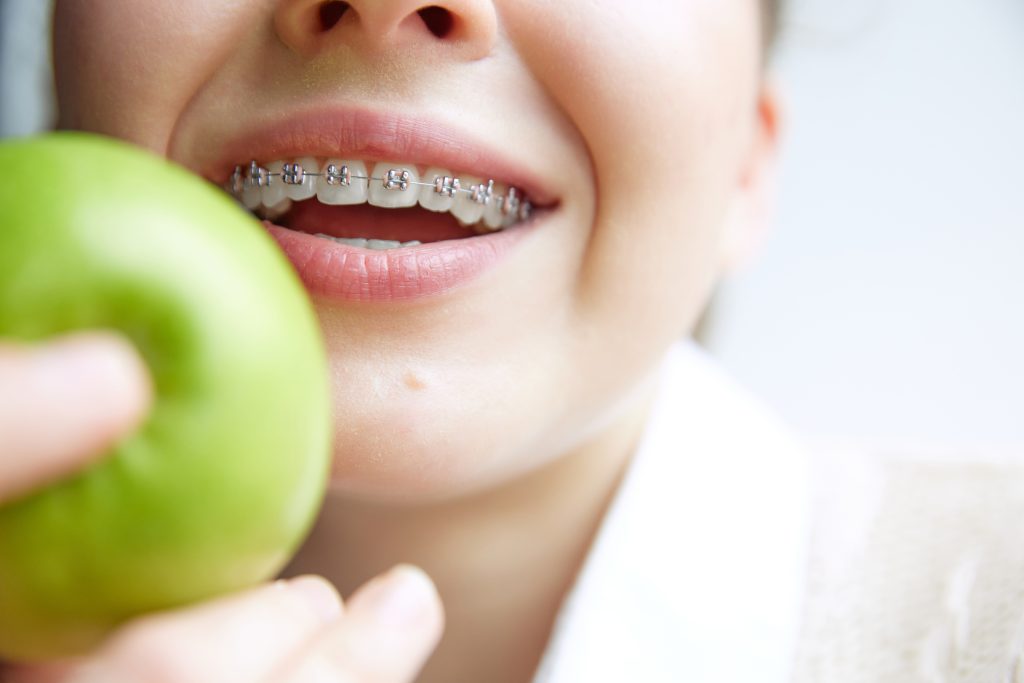
- Foods that require biting forcefully with your front teeth, such as whole apples
Cutting foods into smaller pieces and choosing softer alternatives can help protect your brackets.
You should also maintain good oral hygiene throughout treatment. Food particles and plaque can collect around brackets, increasing the risk of white spots, cavities, and gum irritation.
Your orthodontic team can provide personalized instructions to help you care for your braces.

Explore Your Braces Options at Unique Orthodontics
Choosing between clear ceramic braces, traditional metal braces, and clear aligners comes down to your orthodontic needs, lifestyle, and personal preferences.
At Unique Orthodontics, we offer orthodontic care for children, teens, and adults throughout the Central Valley. Our team can help you explore available treatment options and understand which approach may work best for your smile.
We offer complimentary orthodontic consultations, so you can learn more about your options without the pressure of making an immediate treatment decision.
Ready to explore a straighter smile? Schedule your complimentary consultation with Unique Orthodontics today.