

Crooked teeth are one of the most common reasons people consider orthodontic treatment. Whether you have overlapping teeth, noticeable gaps, or a bite that doesn’t feel quite right, misaligned teeth can affect more than just the appearance of your smile.
Fortunately, orthodontic treatment offers several ways to improve tooth alignment, correct bite concerns, and support better oral health.
At Unique Orthodontics, led by Dr. John Bayrakdarian, D.M.D., we help children, teens, and adults throughout the Central Valley explore personalized solutions for crooked teeth.
Wondering what causes crooked teeth, whether they need to be corrected, or which treatment option is right for you? Here’s what you should know.
What Are Crooked Teeth?
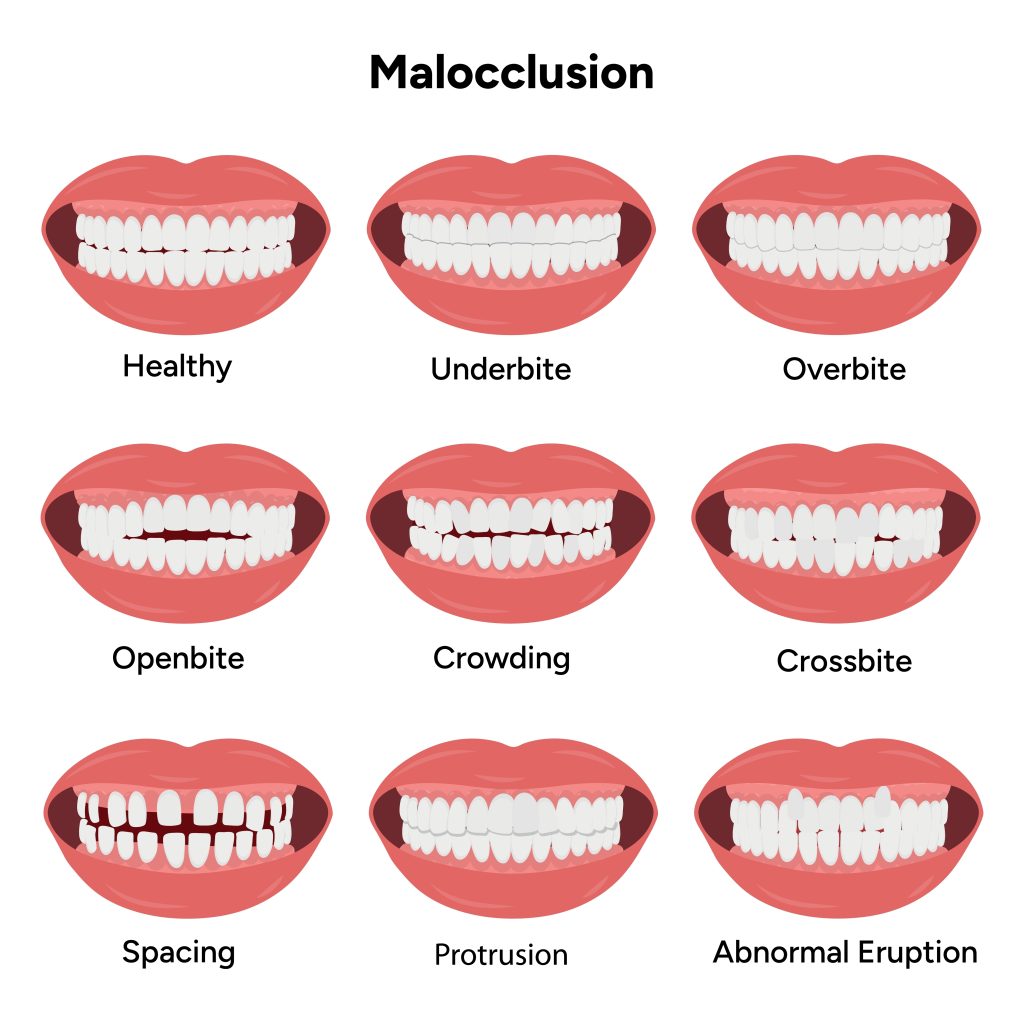
Crooked teeth are teeth that don’t line up properly within the dental arches. They may overlap, twist, sit too far forward or backward, or have noticeable spaces between them.
Orthodontists use the term malocclusion to describe problems with how the upper and lower teeth fit together when biting down.
Some of the most common orthodontic concerns include:
1. Crowded Teeth
Crowding occurs when there isn’t enough room in the jaw for all the teeth to fit comfortably. As a result, teeth may overlap, twist, or become crooked.
Crowded teeth can also make brushing and flossing more difficult, allowing plaque to collect in hard-to-reach areas.
2. Crossbite
A crossbite happens when one or more upper teeth sit inside the lower teeth instead of outside them when you bite down.
Crossbites can affect the front or back teeth and may contribute to uneven tooth wear or problems with how the jaws fit together.
3. Misaligned Midlines
Your dental midline is the imaginary line between your two upper front teeth or your two lower front teeth.
Ideally, these lines should align reasonably well. When they don’t, the center of your upper and lower smiles may appear shifted.
A midline discrepancy can sometimes be associated with differences in tooth positioning or jaw alignment.
4. Open Bite
An open bite occurs when the upper and lower front teeth don’t touch when you close your mouth, leaving a visible space between them.
This can make biting into foods like sandwiches or apples more difficult and may affect speech in some cases.
5. Overbite
An overbite describes how much the upper front teeth overlap the lower front teeth vertically.
A deep overbite occurs when the upper teeth cover too much of the lower teeth. In some cases, the lower teeth may even contact the roof of the mouth, causing irritation or discomfort.
6. Overjet (Protruding Front Teeth)
An overjet occurs when the upper front teeth extend too far forward beyond the lower front teeth.
Sometimes described as protruding teeth, this condition can make the front teeth more vulnerable to accidental injury.
7. Spacing and Gaps Between Teeth
Spacing occurs when there are noticeable gaps between teeth. This may happen when teeth are smaller than the available jaw space, when teeth are missing, or because of differences in dental development.
Although some spacing is harmless, certain cases can affect bite alignment or allow nearby teeth to shift.
8. Underbite
An underbite occurs when the lower front teeth sit in front of the upper front teeth when biting down.
This may be related to differences in upper or lower jaw development and can make biting and chewing more difficult.

What Causes Crooked Teeth?
Crooked teeth can develop during childhood or later in life. Some causes are inherited, while others are related to habits, dental development, or changes in the mouth.
Here are some common contributing factors.
Genetics and Family History
Genetics play an important role in how your teeth and jaws develop.
If your parents or other family members have crowded teeth, spacing issues, or bite problems, you may be more likely to experience similar orthodontic concerns.
Childhood Habits
Certain childhood habits can influence how the teeth and jaws develop.
Examples include:
- Prolonged thumb sucking.
- Extended pacifier use.
- Tongue thrusting.
- Certain patterns of oral muscle activity.
When these habits continue as a child’s permanent teeth begin developing, they may contribute to changes in tooth positioning or bite alignment.
Jaw Size and Development
Sometimes, the jaw simply doesn’t provide enough room for all the teeth to fit properly.
When the dental arch is too small for the size or number of teeth, crowding can develop. Differences in upper and lower jaw growth can also contribute to bite problems.
Missing Teeth or Dental Injuries
Losing a tooth prematurely or having a missing permanent tooth can create spaces that allow neighboring teeth to shift.
Dental or facial injuries may also affect tooth positioning, particularly when they occur during childhood and the teeth are still developing.
Changes With Age
Even if you had straight teeth growing up, your smile can change over time.
Natural tooth movement, missing teeth, changes in dental health, and not wearing retainers as directed after orthodontic treatment can all contribute to shifting teeth.
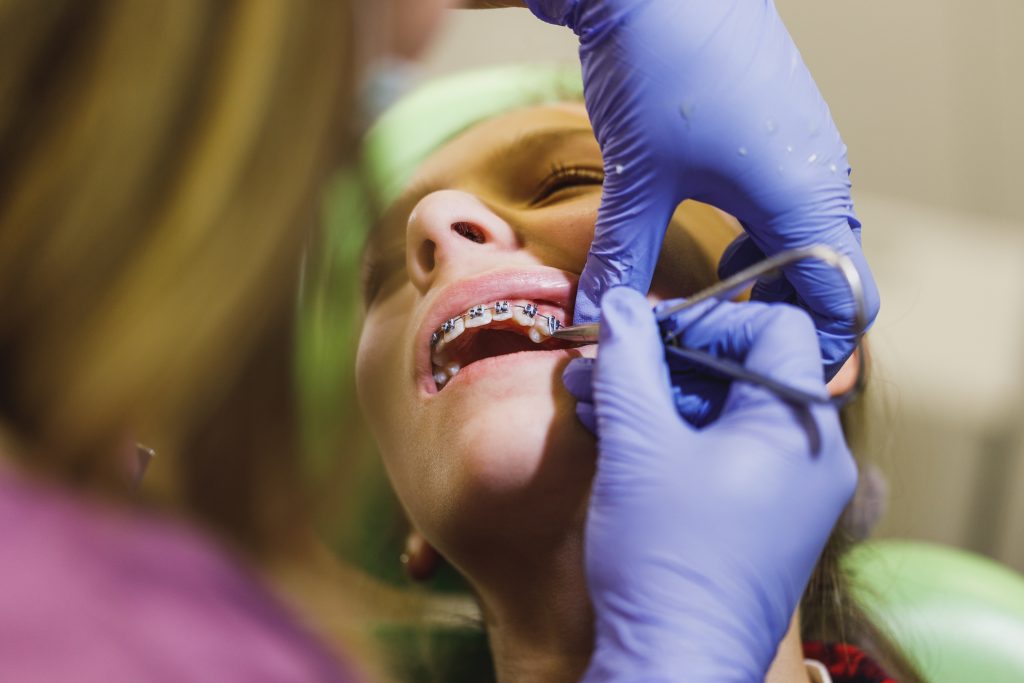
Why Is It Important to Correct Crooked Teeth?
Straightening your teeth isn’t just about achieving a more attractive smile. Proper alignment can also make everyday dental care easier and improve how your teeth function.
Here are a few potential benefits of orthodontic treatment.
Improved Oral Hygiene
Overlapping and crowded teeth can create tight spaces that are difficult to reach with a toothbrush or floss.
Improving tooth alignment can make these areas easier to clean, helping you maintain good oral hygiene and reduce plaque buildup.
More Even Tooth Wear
When your teeth don’t fit together properly, certain teeth may experience more pressure than others.
Correcting bite alignment can help distribute biting forces more evenly and reduce some causes of excessive tooth wear.
Improved Biting and Chewing
Misaligned teeth can make biting into food or chewing comfortably more difficult.
Orthodontic treatment can improve how your upper and lower teeth fit together, helping support better oral function.
A More Confident Smile
Crooked teeth can make some people feel self-conscious about smiling, laughing, or appearing in photographs.
Improving tooth alignment can help patients feel more comfortable and confident sharing their smiles.
How Does Orthodontic Treatment Straighten Crooked Teeth?
Orthodontic treatment works by applying controlled, gentle pressure to teeth over time.
This pressure stimulates natural changes in the bone and surrounding tissues, allowing teeth to gradually move into new positions.
Depending on your orthodontic needs, treatment may involve braces or clear aligners.
Once your teeth reach their desired positions, retainers help maintain the results and reduce the risk of unwanted shifting.
Wearing your retainers as instructed is an important part of protecting your new smile!
What Are the Best Treatment Options for Crooked Teeth?
There isn’t one orthodontic treatment that works best for everyone. The right option depends on your tooth alignment, bite, treatment goals, and individual needs.
At Unique Orthodontics, we offer several treatment options.
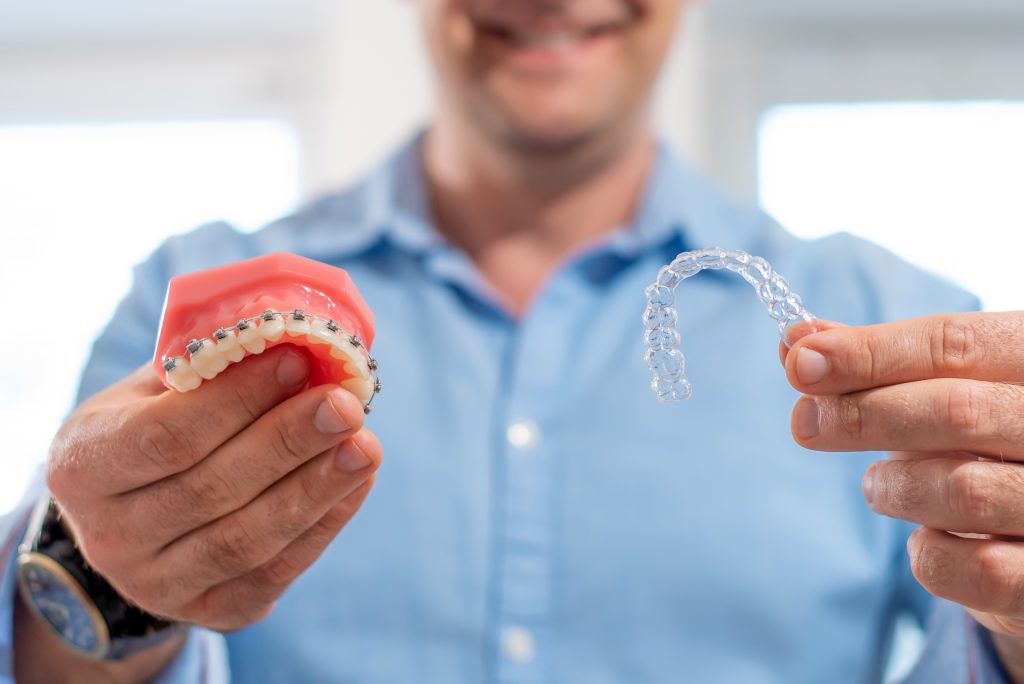
1. Traditional Metal Braces
Traditional metal braces are one of the most common and versatile ways to straighten crooked teeth.
They use small metal brackets bonded to the teeth and connected by an archwire. The orthodontist makes adjustments throughout treatment to guide the teeth into their planned positions.
Benefits of metal braces include:
- Effective for a wide range of orthodontic concerns.
- Can address mild to complex alignment and bite problems.
- Remain attached throughout treatment, so patients don’t have to remember to wear them.
- Allow orthodontists to make precise adjustments.
Metal braces are a dependable option for children, teenagers, and adults.
2. Invisalign Clear Aligners
If you want to straighten your teeth without traditional brackets and wires, Invisalign® may be an option.
Invisalign uses a series of custom-made, removable clear aligners to gradually move teeth into better alignment.
Benefits of Invisalign include:
- Clear, discreet appearance.
- Removable for eating and drinking.
- Easier brushing and flossing.
- Smooth plastic without brackets or wires.
- Flexibility for many everyday activities.
For successful treatment, aligners generally need to be worn 20 to 22 hours per day.
Invisalign can treat many alignment and bite concerns, although traditional braces may be more appropriate for certain complex cases.
3. Damon Braces
The Damon System is another option for patients looking to correct crooked teeth.
Damon braces use self-ligating brackets, which have a built-in mechanism to hold the archwire in place rather than relying on traditional elastic ties.
Benefits of Damon braces include:
- Self-ligating bracket technology.
- No traditional elastic ties around each bracket.
- Available in metal and more discreet clear options.
- Suitable for a variety of orthodontic concerns.
Damon braces offer another approach to orthodontic treatment, but the best appliance depends on your individual needs rather than a promise of faster treatment.
4. Clear Ceramic Braces
For patients who want the reliability of braces with a less noticeable appearance, clear ceramic braces may be a good option.
These braces work similarly to traditional metal braces but use tooth-colored or translucent brackets that blend in more naturally with your smile.
Benefits of clear ceramic braces include:
- Less noticeable than traditional metal brackets.
- Fixed in place throughout treatment.
- Can address many alignment and bite concerns.
- No need to remember to remove or reinsert an appliance.
Your orthodontist can help determine whether ceramic braces are appropriate for your treatment goals.
How Long Does It Take to Straighten Crooked Teeth?
Orthodontic treatment time varies from patient to patient.
Some people have relatively minor spacing or crowding that can be corrected in a shorter period, while more complex bite problems may require additional time.
Many comprehensive orthodontic treatment plans take approximately 12 to 24 months, although some cases may take less or more time.
Factors that influence treatment duration include:
- The severity of crowding or spacing.
- The type of bite problem being corrected.
- The orthodontic appliance used.
- How consistently patients follow treatment instructions.
- Individual tooth movement and biological response.
The best way to estimate your treatment time is to schedule an orthodontic evaluation.

How Do You Know Which Treatment Is Right for You?
Choosing between braces and clear aligners can feel overwhelming, especially when several options are available.
The best starting point is a consultation with an orthodontist.
During your evaluation, your orthodontist can assess:
- How crowded or spaced your teeth are.
- How your upper and lower teeth fit together.
- Whether your jaws are developing properly.
- Your overall dental health.
- Your personal treatment goals and preferences.
From there, your orthodontist can recommend an appliance that addresses your specific needs.
At Unique Orthodontics, we believe treatment should be personalized rather than taking a one-size-fits-all approach.
Why Should You See an Orthodontist for Crooked Teeth?
Orthodontists receive additional specialized training beyond dental school to diagnose and treat problems involving tooth alignment, jaw development, and bite function.
While several products advertise at-home teeth straightening, orthodontic treatment requires proper evaluation and ongoing professional supervision.
An orthodontist can monitor how your teeth move, evaluate changes in your bite, and make adjustments when necessary.
This is especially important when treating more complex alignment or jaw concerns.
Frequently Asked Questions About Crooked Teeth
Can crooked teeth be straightened without braces?
Yes! Depending on your orthodontic needs, clear aligners such as Invisalign may be an alternative to traditional braces. However, not every case can be treated with aligners, so an orthodontic evaluation is important.
What is the fastest way to straighten crooked teeth?
There isn’t one fastest treatment for everyone. Treatment time depends on the severity of the alignment issue, your individual biology, and the appliance used. Your orthodontist can recommend an effective treatment plan based on your needs.
Do crooked teeth get worse with age?
They can. Teeth naturally shift throughout life, and existing crowding or spacing may become more noticeable over time. Wearing retainers after orthodontic treatment can help maintain alignment.
Can adults fix crooked teeth?
Absolutely! Adults can straighten their teeth with traditional braces, clear ceramic braces, or Invisalign. As long as their teeth and supporting gums are healthy enough for treatment, age alone doesn’t prevent someone from pursuing orthodontic care.
Are crooked teeth bad for your oral health?
Not necessarily, but crowded or overlapping teeth can be more difficult to clean. This may increase the risk of plaque buildup, cavities, and gum problems. Certain bite issues can also contribute to uneven tooth wear.
Do I need to fix crooked teeth if they don’t hurt?
Not all crooked teeth require treatment. However, some alignment and bite concerns can affect oral hygiene or tooth function even without causing pain. An orthodontist can help determine whether treatment would be beneficial.
Is Invisalign better than traditional braces for crooked teeth?
Neither option is automatically better. Invisalign offers a removable, discreet alternative, while traditional braces can address a wide range of orthodontic concerns. The best choice depends on the complexity of your case and your ability to follow treatment instructions.
Will my teeth stay straight after orthodontic treatment?
Retainers help keep your teeth in their corrected positions after treatment. Teeth can naturally shift over time, so wearing your retainers as directed is essential for maintaining your results.
Start Your Smile Journey at Unique Orthodontics!
Crooked teeth don’t have to keep you from enjoying a healthy, confident smile. Whether you’re dealing with crowding, gaps, or a misaligned bite, there are several orthodontic options available to help.
At Unique Orthodontics, Dr. John Bayrakdarian, D.M.D., and our experienced team are here to help you understand your options and find a treatment plan that works for you.
We offer complimentary consultations for children, teens, and adults throughout the Central Valley.
Ready to explore your options? Schedule your complimentary orthodontic consultation today!