
If you’ve been told you need bite turbos for braces, you probably have a few questions: What are they? Will they hurt? How will you eat? And how long will you have them?
At Unique Orthodontics, we use bite turbos to protect your braces and help your teeth move safely into their proper positions. Although they may feel a little unusual at first, most patients adjust within a few days.
Here’s what you need to know about bite turbos and what to expect during treatment.
What Are Bite Turbos?
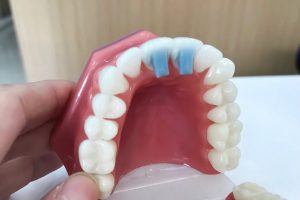
Bite turbos, sometimes called bite blocks or turbo bites, are small attachments temporarily bonded to your teeth. They create a little extra space between your upper and lower teeth when you bite down.
Depending on your bite and treatment needs, your orthodontist may place them:
- Behind your upper front teeth
- On the chewing surfaces of your back molars
Think of them as tiny speed bumps for your bite! They prevent certain teeth from making contact, helping protect your braces from excessive pressure.
Why Do You Need Bite Turbos With Braces?
Bite turbos are commonly used for patients with a deep overbite or other bite concerns.
For example, if your upper teeth touch the brackets on your lower teeth when you close your mouth, those brackets can become damaged or break. This can interrupt treatment and require additional repairs.
Bite turbos help prevent this contact by keeping your teeth slightly apart. This protects your braces while allowing your orthodontist to work on correcting your bite.
What Do Bite Turbos Feel Like?
Getting bite turbos may take some getting used to. Since they change how your upper and lower teeth come together, everyday activities like eating and speaking can feel different initially.
During the first few days, you might notice:
- Your teeth don’t touch the same way when you bite down.
- Chewing feels awkward or uncomfortable.
- Your teeth or jaw feel mildly sore.
- Your speech sounds slightly different.
These changes are normal. Most patients begin adjusting within several days to about a week as their mouth gets used to the new bite.

How to Eat With Bite Turbos
One of the biggest questions patients have is how to eat with bite turbos.
The trick is to take your time and choose softer foods while you adjust. You may not be able to chew the same way you did before, but eating generally becomes easier as you get used to them.
Here are a few helpful tips:
- Start with softer foods.
- Cut meals into smaller, bite-sized pieces.
- Chew slowly and carefully.
- Avoid hard, crunchy, and sticky foods that could damage your braces.
Some easy foods to try include:
- Yogurt and smoothies
- Pasta and macaroni and cheese
- Soup
- Mashed potatoes
- Scrambled eggs
As your mouth adjusts, you’ll become more comfortable eating with your bite turbos.
How Do You Brush and Floss With Bite Turbos?
Good oral hygiene is especially important when you have braces and bite turbos. Food particles and plaque can collect around your orthodontic appliances, so it’s important to keep these areas clean.
Make sure you:
- Brush carefully around your bite turbos and brackets.
- Brush after meals whenever possible.
- Floss daily using a floss threader or orthodontic-friendly flossing tool.
- Use an interdental brush to reach smaller spaces when needed.
Keeping up with your oral hygiene routine helps prevent plaque buildup and keeps your teeth healthy throughout treatment.
How Long Do Bite Turbos Stay On?
Bite turbos are temporary, but how long you need them depends on your individual treatment plan.
Some patients only need them for a few months, while others may need them for longer. Your orthodontist will monitor your bite throughout treatment and remove the attachments once they are no longer necessary.
The good news is that you won’t have them forever!

What Happens If a Bite Turbo Falls Off?
If a bite turbo falls off, don’t panic. However, it’s important to let your orthodontist know.
A missing bite turbo can leave your braces more vulnerable to damage, especially if your teeth still make contact with your brackets.
If one or both bite turbos come loose or fall off:
- Avoid chewing hard foods that could damage your braces.
- Don’t try to glue or reattach the bite turbo yourself.
- Contact your orthodontic office for guidance.
If you’re a Unique Orthodontics patient, our team can help determine whether you need an appointment to replace it or make an adjustment.
Even if you’re receiving treatment elsewhere, contact your orthodontist so they can advise you on the next steps.
Frequently Asked Questions
Do bite turbos hurt?
Bite turbos should not be painful, but they may feel uncomfortable or unusual at first. Some patients experience mild soreness as their mouth adjusts, which typically improves within a few days.
Do bite turbos affect your speech?
They can! Some patients notice a slight lisp or change in pronunciation immediately after getting bite turbos. This usually improves as your tongue and mouth adjust.
Can you eat normally with bite turbos?
Yes, but eating may feel different at first. Start with soft foods, cut meals into smaller pieces, and avoid hard or sticky foods that could damage your braces. Most patients become more comfortable eating within the first week.
Are bite turbos permanent?
No. Bite turbos are temporary orthodontic attachments. Your orthodontist will remove them once your bite has progressed enough that they are no longer needed.
How long does it take to get used to bite turbos?
Most patients adjust within several days to about a week. Eating and speaking may feel awkward initially, but these activities generally become easier with time.
Does everyone with braces need bite turbos?
No. Bite turbos are only recommended when they are necessary to protect your braces or help correct specific bite concerns. Your orthodontist will determine whether they’re right for your treatment.
Start Your Smile Journey at Unique Orthodontics
Every orthodontic treatment comes with a learning curve, and we’re here to make the process as comfortable and straightforward as possible.
Whether you’re getting used to bite turbos, considering braces, or exploring ways to improve your bite, our team is happy to help.
At Unique Orthodontics, we offer complimentary consultations to help you understand your treatment options and take the next step toward a healthier, more confident smile.
Schedule your complimentary consultation today. We look forward to giving you something to smile about!