
Teeth grinding, also known as bruxism, can affect your teeth, jaw, and orthodontic treatment. Whether you already wear braces or are considering clear aligners, understanding how grinding affects your smile can help you protect your teeth.
The good news? You can often get braces even if you grind your teeth. However, grinding can put extra pressure on your teeth and orthodontic appliances, making proper monitoring important.
At Unique Orthodontics, we help children, teens, and adults work toward healthier, more confident smiles. Here is what you should know about teeth grinding and braces.

What Is Teeth Grinding (Bruxism)?
Bruxism is the repeated clenching or grinding of your teeth. It can happen while you are awake or asleep, and many people do not realize they grind their teeth until symptoms appear.
Common signs include:
- Jaw soreness or tightness when waking up
- Frequent headaches
- Tooth sensitivity or worn enamel
- Chipped teeth
- Grinding sounds during sleep
Stress, sleep disturbances, and certain medications can contribute to teeth grinding. If you experience these symptoms regularly, talk with your dentist.
Can You Get Braces If You Grind Your Teeth?
Yes! Many people with bruxism can safely undergo orthodontic treatment.
Braces can correct bite problems, including overbites, underbites, and crossbites. Improving bite alignment may help some patients, but braces are not a guaranteed cure for teeth grinding because bruxism can have several causes.
Grinding can also put extra stress on brackets and wires. Let your orthodontist know if you grind your teeth so they can monitor your treatment and recommend appropriate protection if needed.
Can Teeth Grinding Damage Braces?
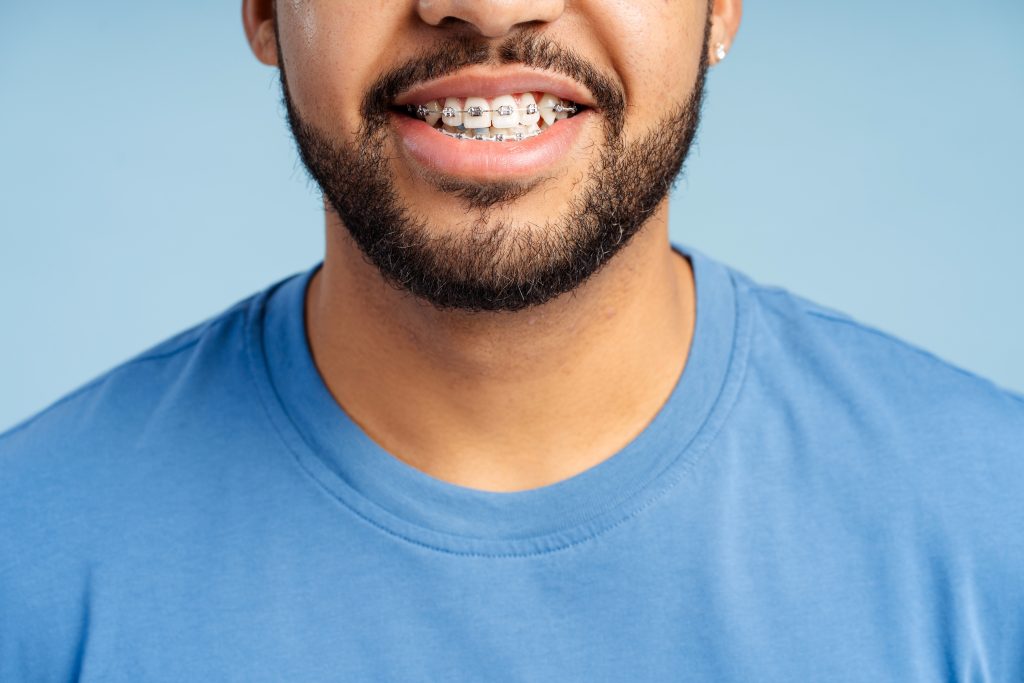
Yes. Frequent or forceful grinding may contribute to:
- Broken brackets or bent wires: Repeated pressure can damage orthodontic appliances.
- Enamel wear: Grinding can gradually wear down your teeth.
- Tooth sensitivity: Worn enamel may make teeth more sensitive.
- Jaw discomfort: Clenching can leave your jaw muscles sore.
If you notice a loose bracket, a poking wire, worsening sensitivity, or persistent jaw pain, contact your orthodontist.
Can Orthodontic Wax Prevent Grinding Damage?
No. Orthodontic wax does not prevent damage caused by teeth grinding.
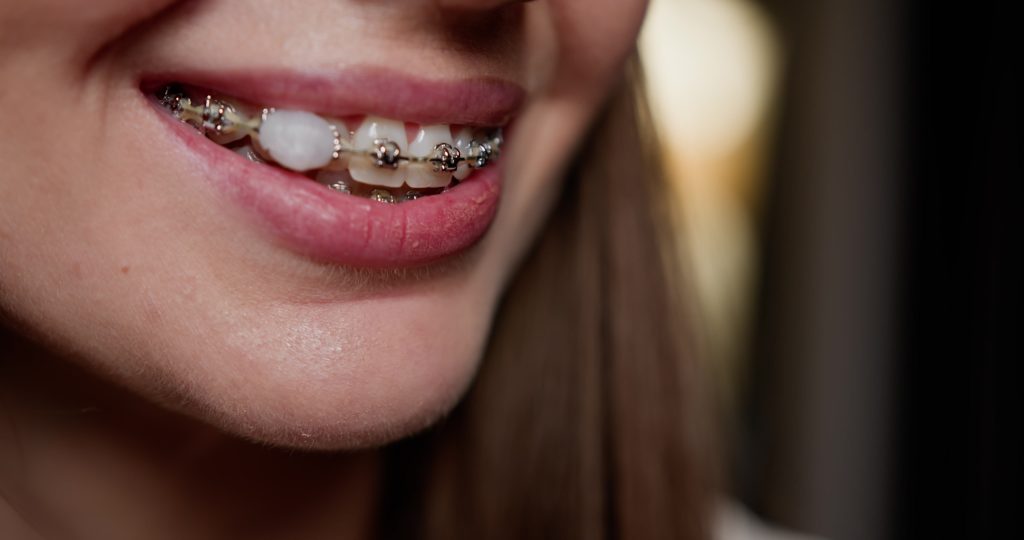
Wax creates a soft barrier between brackets or wires and the inside of your cheeks, lips, and tongue. It helps reduce irritation but does not stop grinding or protect your enamel from the pressure between your teeth.
If you grind your teeth while wearing braces, wax may still help with mouth irritation. However, it is not a substitute for professional evaluation or an appropriate protective appliance.
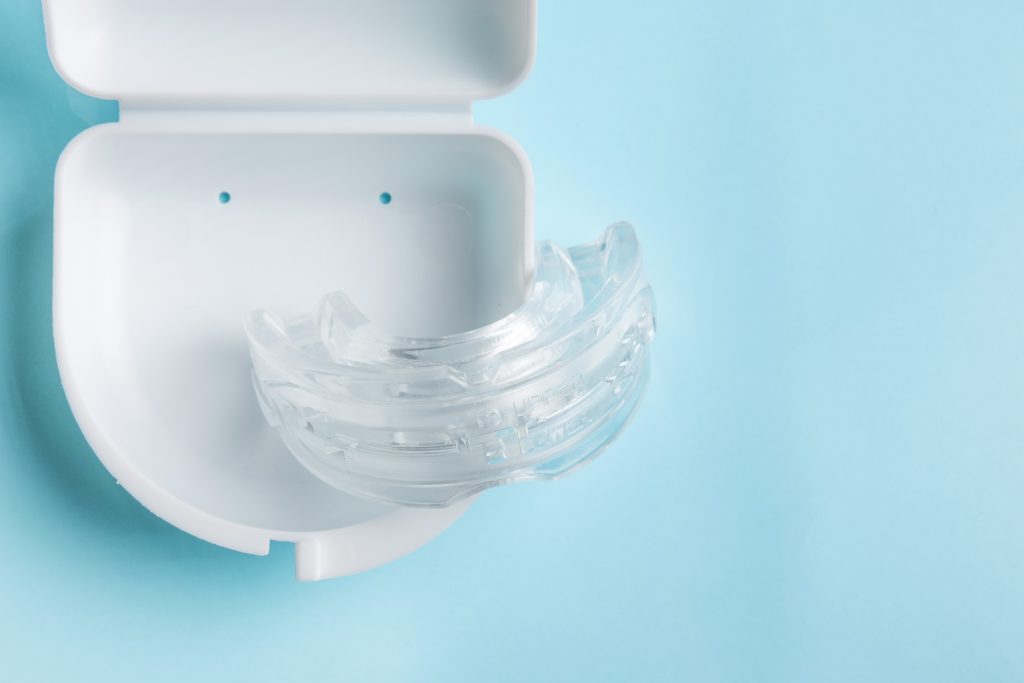
Can You Wear a Night Guard With Braces?
A night guard may help protect teeth from grinding, but you should consult your orthodontist before using one with braces.
Standard over-the-counter night guards may not fit properly over brackets and wires. Since your teeth are moving during treatment, an unsuitable appliance could interfere with tooth movement or damage your braces.
Your orthodontist can determine whether a braces-compatible protective appliance is appropriate for you.
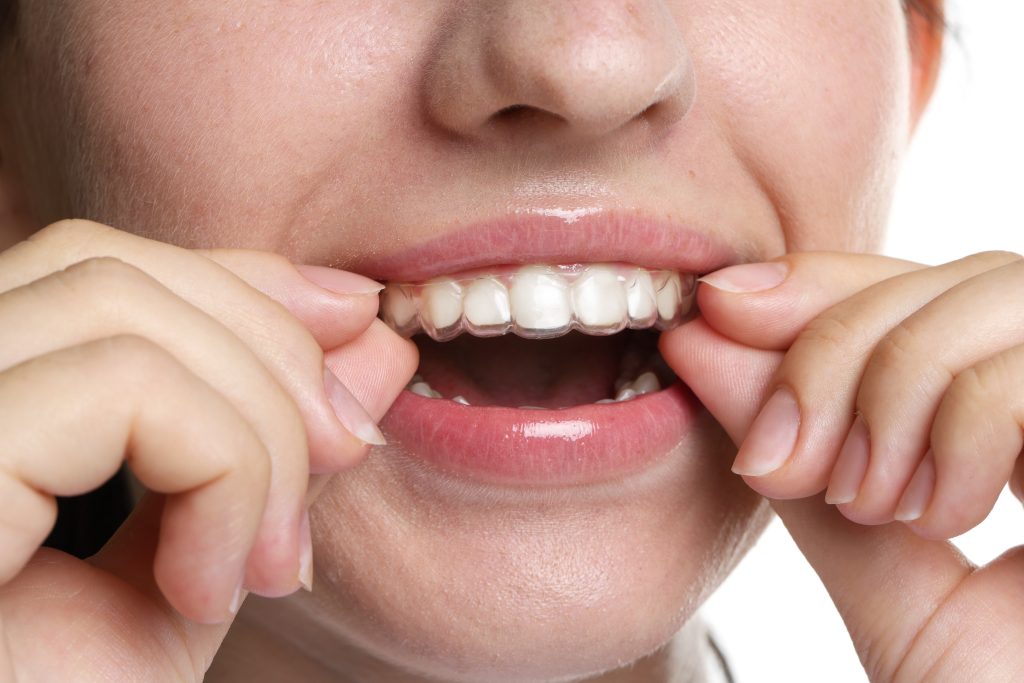
Does Invisalign Help With Teeth Grinding?
Clear aligners, including Invisalign®, cover the teeth and may provide a temporary barrier between them. However, they are not designed to cure bruxism or replace a properly prescribed night guard.
Heavy grinding can crack, wear down, or damage aligners. If you grind your teeth, tell your orthodontist so they can recommend an appropriate treatment plan.
Both traditional braces and clear aligners can be effective options for suitable candidates. The right choice depends on your bite, treatment goals, and individual needs.

How Can You Reduce Teeth Grinding?
Although grinding cannot always be prevented, these habits may help manage contributing factors:
- Manage stress: Try relaxation techniques, deep breathing, or meditation.
- Notice daytime clenching: Keep your jaw relaxed rather than pressing your teeth together.
- Improve sleep habits: Maintain a consistent sleep schedule and calming bedtime routine.
- Identify potential triggers: Caffeine, alcohol, and certain medications may contribute to grinding in some people.
- Keep dental appointments: Regular visits help your dental team monitor tooth wear and orthodontic appliances.
If you snore heavily or experience pauses in breathing during sleep, discuss these symptoms with a healthcare professional, as some sleep disorders are associated with bruxism.
Frequently Asked Questions About Teeth Grinding and Braces
Can using wax on braces prevent teeth grinding damage?
No. Orthodontic wax reduces irritation from brackets and wires but does not prevent grinding or protect tooth enamel from grinding forces.
Can braces fix teeth grinding?
Braces can correct bite alignment problems that may contribute to grinding in some patients. However, they do not reliably stop bruxism, which can have several causes.
Is it bad to grind your teeth while wearing braces?
Frequent grinding may cause tooth wear, sensitivity, jaw soreness, or damage to brackets and wires. Tell your orthodontist if you grind your teeth.
Can I wear a regular night guard over my braces?
Do not use a standard night guard over braces unless your orthodontist approves it. Your appliance must fit properly and accommodate tooth movement.
Is Invisalign better than braces for teeth grinding?
Neither option is a guaranteed treatment for bruxism. Your orthodontist can help determine which treatment is appropriate for your smile and grinding habits.
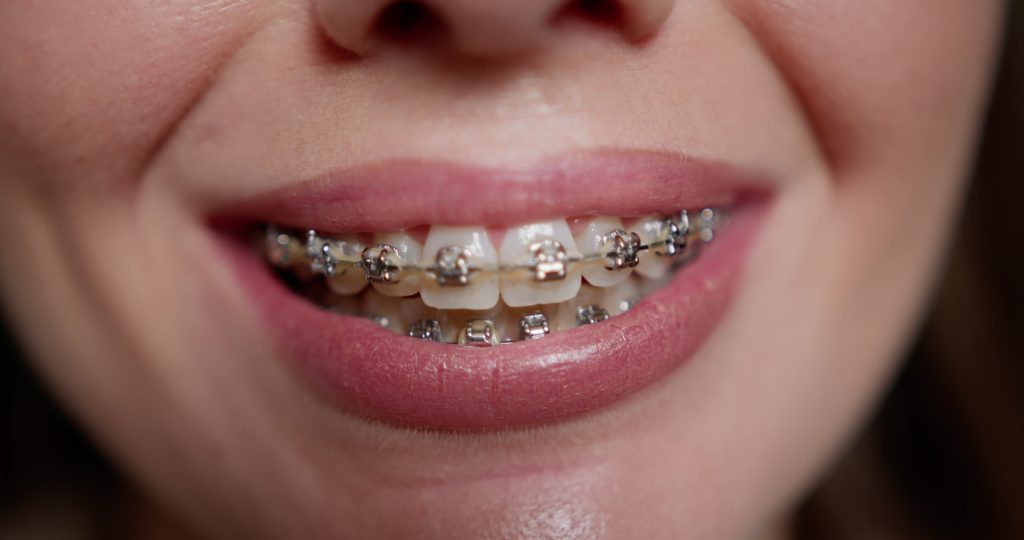
Protect Your Smile During Orthodontic Treatment
Teeth grinding does not necessarily prevent you from getting braces or clear aligners. With proper monitoring and guidance, many patients can continue orthodontic treatment while addressing concerns related to bruxism.
At Unique Orthodontics, we offer complimentary orthodontic consultations for children, teens, and adults at our Central Valley offices. Our team can evaluate your orthodontic needs and discuss treatment options.
Ready to take the next step? Schedule your complimentary orthodontic consultation with Unique Orthodontics today.
This article is for educational purposes only and does not replace personalized dental or medical advice.