

Choosing an orthodontist is an important decision when it comes to your smile and oral health. Whether you’re considering braces for yourself or exploring treatment for your child, you want a provider who has the right training, communicates clearly, and offers treatment options that fit your needs.
With several orthodontic providers to choose from, how do you know which one is right for you? Here are five things to consider when looking for a reliable orthodontist.
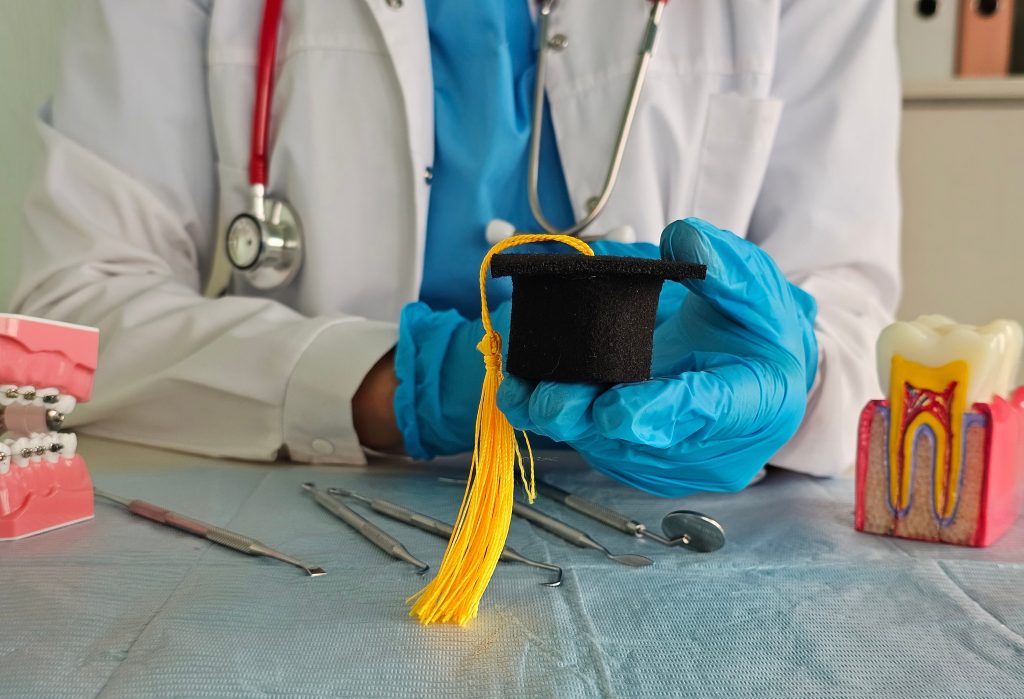
1. Look at Their Education and Specialty Training
One of the first things to consider is an orthodontist’s education and professional training.
All orthodontists are dentists, but not all dentists are orthodontists. After completing dental school, orthodontists pursue additional specialized education and residency training focused on moving teeth, correcting bites, and understanding jaw development.
This additional training helps prepare them to evaluate complex alignment concerns and create individualized treatment plans.
When researching a provider, look into their credentials, specialty training, professional experience, and involvement in organizations such as the American Association of Orthodontists (AAO).

2. Research Their Reputation
A provider’s reputation can tell you a lot about the experience you may have as a patient.
Start by reading online reviews and looking for consistent feedback about the office. Do patients mention friendly staff, clear communication, comfortable visits, and helpful treatment explanations?
You can also ask friends, relatives, or your general dentist if they have recommendations.
Remember that reviews are only one part of your research. Consider the overall feedback rather than relying on one particularly positive or negative experience.
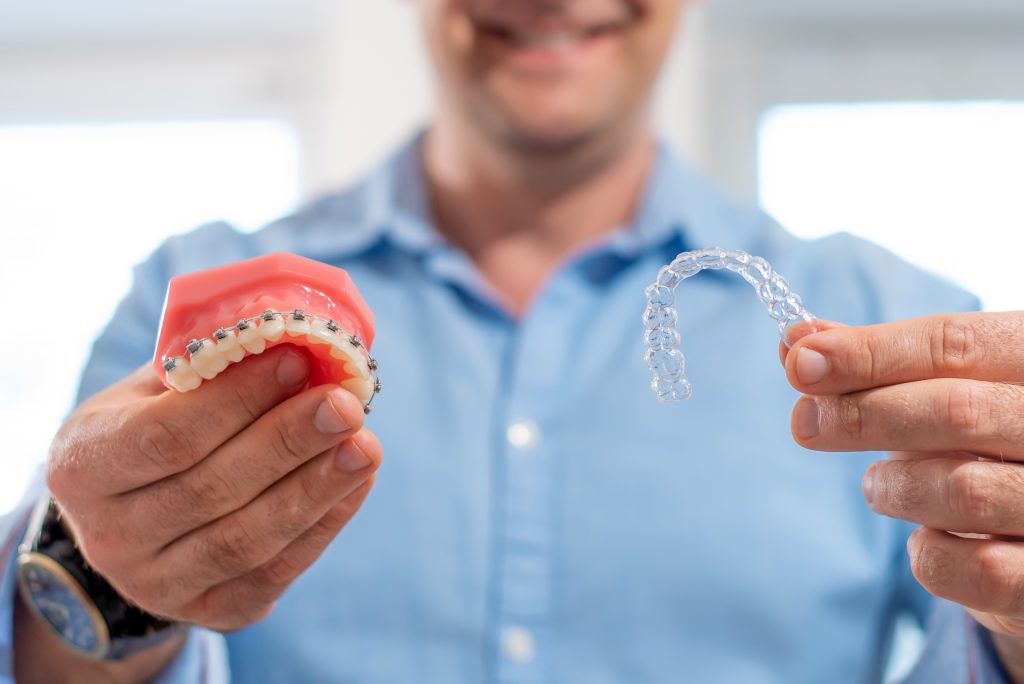
3. Ask About Available Treatment Options
Orthodontic treatment isn’t one-size-fits-all. Different patients may need different approaches depending on their teeth, bite, age, and treatment goals.
A reliable orthodontic office should be able to explain the options that may work for your situation. These could include:
- Traditional metal braces: A dependable fixed option for addressing many alignment and bite concerns.
- Clear ceramic braces: Tooth-colored or transparent brackets that offer a more discreet appearance.
- Damon braces: A type of self-ligating braces that uses a specialized bracket system.
- Invisalign®: A removable clear aligner system designed to gradually move teeth.
The availability of different treatments is helpful, but the most important thing is receiving an honest recommendation based on your individual needs. Your orthodontist should explain the benefits, limitations, and expectations of each suitable option.
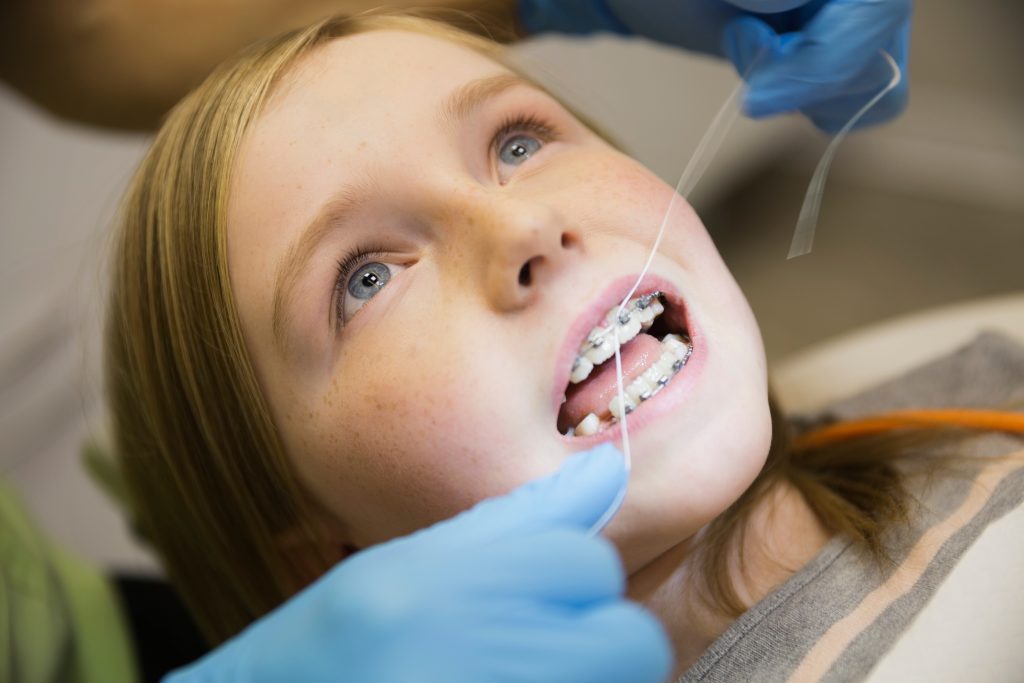
4. Pay Attention to Communication and Patient Care
Your orthodontic experience involves more than the treatment itself. You’ll likely visit the office regularly, so it’s important to feel comfortable asking questions and discussing concerns.
During your consultation, consider whether the orthodontist and team:
- Take time to understand your concerns and smile goals
- Explain your treatment options in a way you can understand
- Answer questions without making you feel rushed
- Discuss expected treatment timelines and responsibilities
- Explain payment options and what your financial arrangements include
A good patient experience starts with clear communication and a team that makes you feel welcomed and supported.

5. Consider Location, Scheduling, and Payment Options
Orthodontic treatment typically involves multiple visits over time. Choosing an office that fits your schedule and is convenient to reach can make the experience easier.
Before making your decision, ask about office hours, appointment availability, insurance acceptance, and payment plans. You may also want to find out whether the practice offers complimentary consultations and what financing options are available.
Understanding these details upfront can help you choose an office that works for your family’s needs.
Find Your Orthodontic Home at Unique Orthodontics
At Unique Orthodontics, our goal is simple: to give you something to smile about. We want every patient to feel welcomed, informed, and supported throughout their orthodontic journey.
Led by Dr. John Bayrakdarian, D.M.D., our team brings more than 20 years of orthodontic experience to families throughout the Central Valley. We offer a variety of treatment options, complimentary consultations, and a bilingual team ready to help you understand your choices.
With eight convenient locations in Fresno, Clovis, Madera, Merced, Visalia, Hanford, and Tulare, we’re here to make orthodontic care more accessible.
Ready to take the next step? Contact Unique Orthodontics to schedule your complimentary consultation and learn more about your treatment options.
Frequently Asked Questions About Finding an Orthodontist
What is the difference between a dentist and an orthodontist?
A general dentist focuses on overall oral health, including cleanings, fillings, and preventive care. An orthodontist is a dentist who completes additional specialty training to diagnose and treat problems involving tooth alignment, bite relationships, and jaw development.
How do I know if an orthodontist is qualified?
Look into their education, orthodontic specialty training, professional credentials, and experience. You can also check whether they belong to recognized professional organizations, such as the American Association of Orthodontists.
Should I choose an orthodontist who offers multiple treatment options?
Having access to several treatment options can be helpful because different patients have different needs. However, the most important factor is whether the provider recommends an approach that is appropriate for your specific orthodontic concerns.
What should I ask during my first orthodontic consultation?
Ask about your treatment options, estimated timeline, appointment schedule, expected responsibilities, costs, insurance coverage, and payment plans. You should leave with a clear understanding of your options and the next steps.
At what age should a child first see an orthodontist?
The American Association of Orthodontists recommends that children have their first orthodontic evaluation by age 7. An early evaluation allows an orthodontist to monitor dental and jaw development and determine whether treatment or continued observation may be appropriate.