

Think orthodontic treatment is just for kids and teens? Think again! Adults can benefit from orthodontic treatment at almost any age, including those who have lived with an underbite for years.
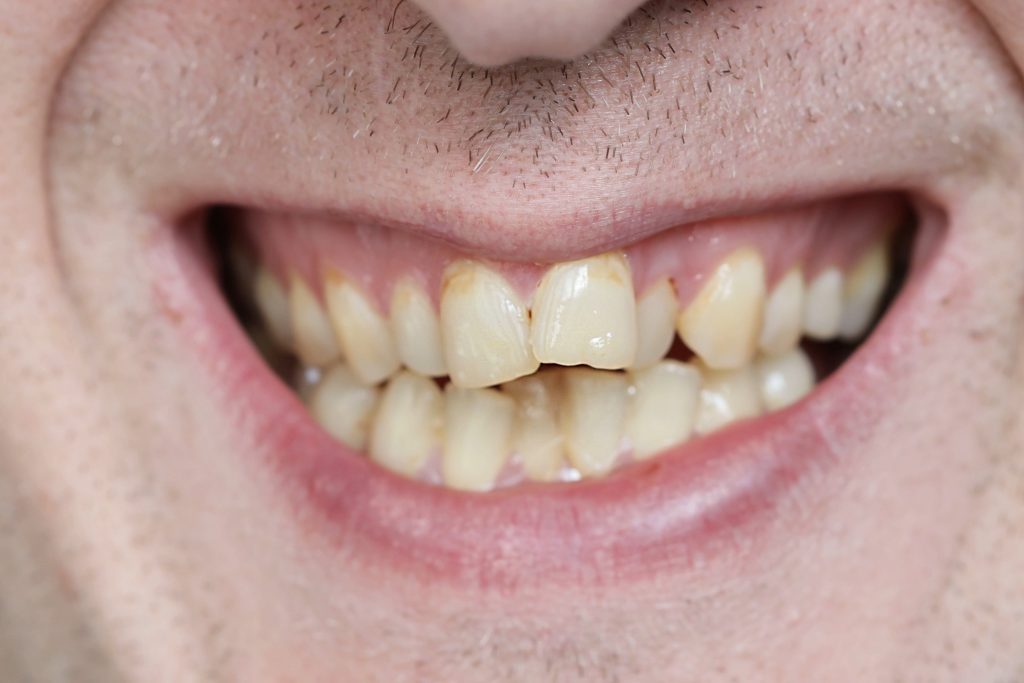
An underbite occurs when the lower front teeth sit in front of the upper front teeth when the mouth is closed. Depending on its severity and underlying cause, an underbite can affect your bite, chewing comfort, speech, and the way your smile looks.
Fortunately, having an underbite as an adult doesn’t mean you’re out of options. At Unique Orthodontics, we help adults understand their orthodontic concerns and explore treatment options that may improve their bite and smile.

What Causes an Underbite in Adults?
An underbite, also called a Class III malocclusion, can develop for several reasons. In many cases, genetics and jaw development play an important role.
Common contributing factors include:
- Jaw development: The lower jaw may grow farther forward than the upper jaw, or the upper jaw may not develop as much as expected.
- Tooth positioning: The position of the upper and lower teeth can contribute to an underbite, even when the jaw relationship is relatively balanced.
- Childhood habits: Certain childhood habits may influence how the teeth and jaws develop.
- Inherited traits: A family history of underbites or differences in jaw structure may increase the likelihood of developing one.
Not all underbites are the same. Some are primarily related to tooth positioning, while others involve differences in the size or position of the jaws. Understanding the cause is an important first step in determining the right treatment.
Can Adults Correct an Underbite?
Yes! Adults can receive orthodontic treatment to improve an underbite. However, the best approach depends on the severity of the condition and whether the underlying issue involves the teeth, the jaws, or both.
Unlike children and younger teens, adults have finished growing. This means orthodontic treatment cannot guide jaw growth in the same way it can during childhood.
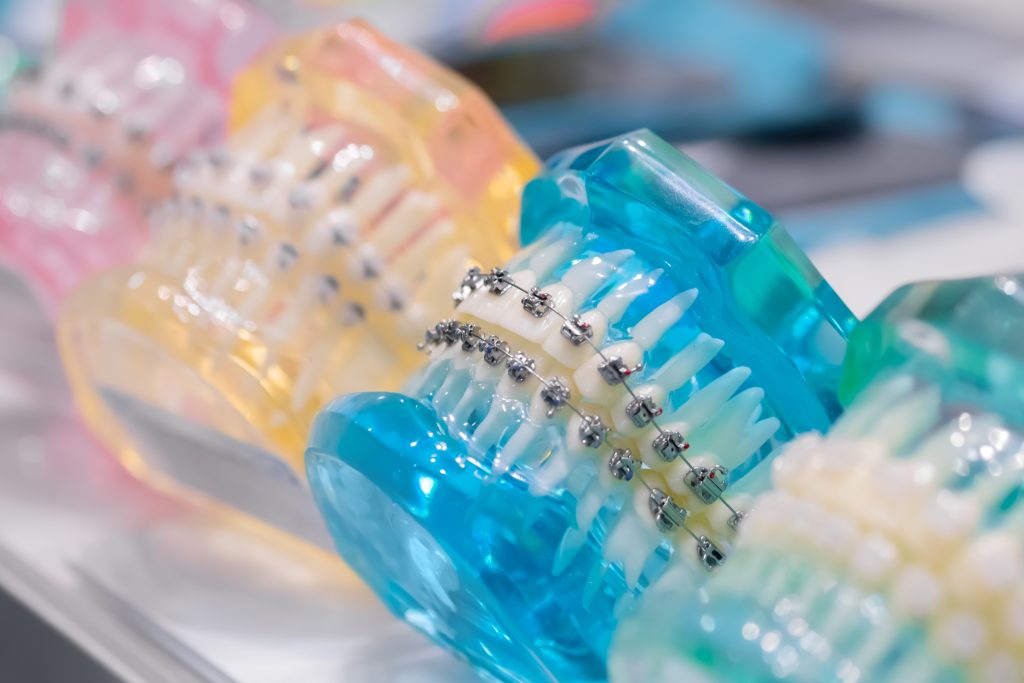
Depending on your evaluation, treatment may include braces, clear aligners, or a combination of orthodontic treatment and corrective jaw surgery.
Adult Underbite Treatment Options
There isn’t one treatment that works for every underbite. Your orthodontist will evaluate your bite, tooth alignment, and jaw relationship before recommending an approach.
1. Traditional Braces
Traditional metal braces are a common option for correcting underbites. Brackets and wires apply controlled pressure to gradually move teeth into better positions.
Braces can address many orthodontic concerns, including certain underbites, crowding, and bite discrepancies. They may be particularly useful when more involved tooth movements are needed.
2. Clear Ceramic Braces
If you prefer a less noticeable alternative to metal braces, clear ceramic braces may be an option.
They work similarly to traditional braces but use tooth-colored or translucent brackets that blend more naturally with your teeth.
Clear braces can be a good choice for adults who want the benefits of fixed orthodontic treatment with a more discreet appearance.
3. Invisalign®
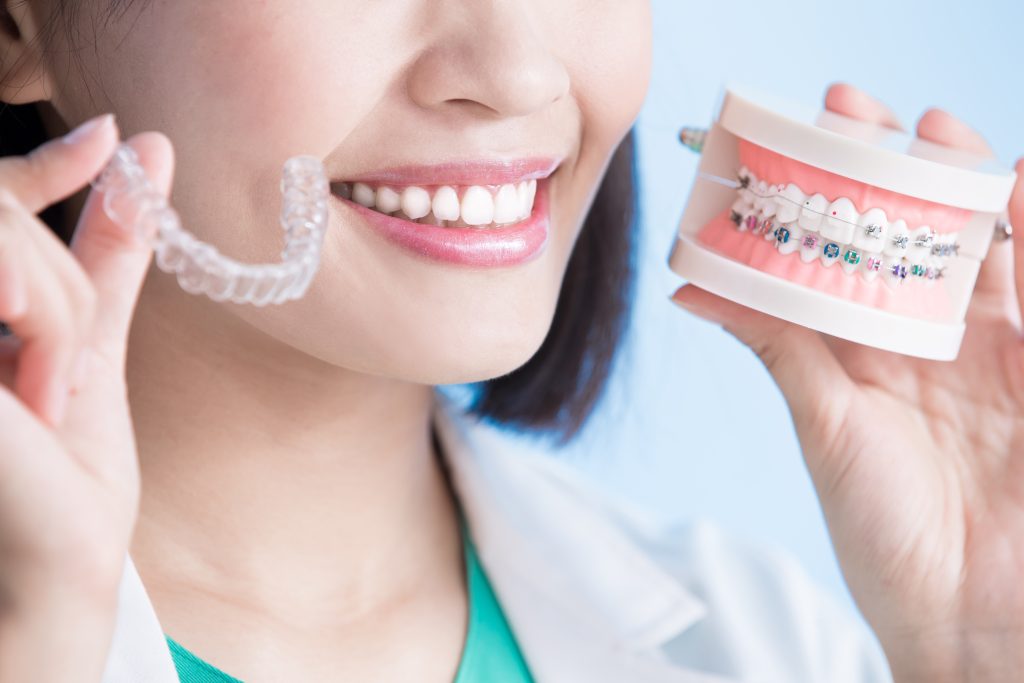
Invisalign® uses a series of removable, clear aligners to gradually move teeth into their planned positions.
It may be appropriate for certain mild to moderate underbites, particularly when the concern is primarily related to tooth positioning.
However, clear aligners cannot correct every type of underbite. More significant jaw discrepancies may require a different treatment approach.
For successful treatment, aligners generally need to be worn 20–22 hours per day.
4. Corrective Jaw Surgery
When an underbite is caused by a significant difference in upper and lower jaw positioning, orthodontic treatment alone may not be enough.
In some cases, corrective jaw surgery, also called orthognathic surgery, may be recommended alongside braces or other orthodontic treatment.
This approach involves coordinating care between an orthodontist and an oral and maxillofacial surgeon. The orthodontist helps position the teeth, while surgery addresses the underlying jaw relationship.
Not every adult with an underbite needs surgery. Your orthodontist can help determine whether this option should be considered.
What Happens If an Adult Underbite Is Left Untreated?
Some adults have mild underbites that don’t cause noticeable discomfort. Others may experience difficulties that affect everyday activities.
Depending on the severity, an untreated underbite may contribute to:
- Difficulty biting into or chewing certain foods
- Uneven tooth wear
- Increased stress on certain teeth
- Jaw discomfort
- Speech difficulties in some cases
- Concerns about smile appearance and facial balance
An underbite doesn’t automatically cause these problems, but an orthodontic evaluation can help identify whether your bite is affecting your oral health.
How Long Does Adult Underbite Treatment Take?
Treatment time depends on the severity of the underbite, the treatment method, and how your teeth respond.
Some cases involving primarily tooth positioning may take less time than more complex cases involving significant bite discrepancies. If corrective jaw surgery is needed, treatment will generally involve additional planning and recovery time.
Your orthodontist can provide a more personalized estimate after evaluating your teeth and bite.
Explore Adult Underbite Treatment at Unique Orthodontics
You don’t have to spend the rest of your life wondering whether your underbite can be improved. Whether you’re interested in traditional braces, clear ceramic braces, or Invisalign®, the first step is understanding what’s causing your bite concern.
At Unique Orthodontics, we offer complimentary consultations to help adults explore their treatment options and understand what may be appropriate for their smile.
With eight convenient offices throughout the Central Valley, we’re proud to serve patients in Fresno, Clovis, Madera, Merced, Visalia, Hanford, and Tulare.
Ready to explore your options? Schedule your complimentary orthodontic consultation with Unique Orthodontics today!
Frequently Asked Questions
Can you fix an underbite without surgery as an adult?
Some adult underbites can be treated with braces or clear aligners without surgery, particularly when the concern is primarily related to tooth positioning. More significant jaw discrepancies may require corrective jaw surgery.
Is it too late to fix an underbite at 30 or 40?
No! Adults can receive orthodontic treatment at many different ages. Your eligibility depends more on your oral health, jaw structure, and orthodontic needs than your age.
Are braces or Invisalign® better for correcting an underbite?
Both may be appropriate for certain underbites. Braces can offer more control for some complex tooth movements, while Invisalign® may work well for selected cases. An orthodontic evaluation is needed to determine which option is suitable.
Does an underbite get worse with age?
An underbite does not necessarily worsen as you get older. However, changes in tooth position, dental wear, and other age-related changes can affect your bite over time.
Can an underbite affect chewing?
Yes. Depending on its severity, an underbite can make it harder to bite into or chew certain foods because the upper and lower teeth do not meet as they should.
How do I know if my underbite is caused by my teeth or jaw?
An orthodontist can evaluate your tooth alignment and jaw relationship to determine whether the underbite is primarily dental, skeletal, or a combination of both. This distinction helps guide treatment recommendations.