

Finishing Invisalign® treatment is an exciting milestone! After months of wearing clear aligners and watching your smile transform, you finally have the results you’ve been working toward. But what happens once your treatment is complete? Do you really need another set of trays, or can you simply keep wearing your last Invisalign® aligner as a retainer?
The short answer is that your final Invisalign® tray may serve as a temporary backup in certain situations, but it should not automatically replace a properly fitted retainer.
Both Invisalign® aligners and retainers are designed to fit over your teeth, but they serve different purposes. Understanding the difference can help you protect your new smile long after treatment ends.
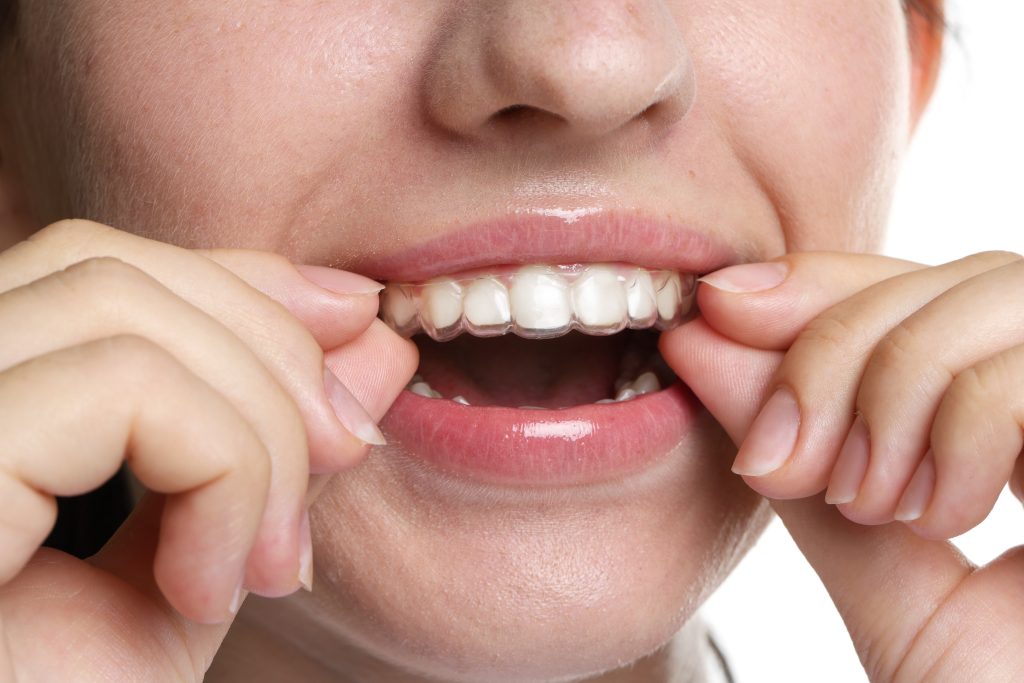
What’s the Difference Between Invisalign® Aligners and Retainers?
Although they may look similar, Invisalign® aligners and retainers have different jobs.
Invisalign® aligners gradually move your teeth into planned positions throughout orthodontic treatment. Patients switch to new aligners according to their personalized treatment schedule, allowing their teeth to shift over time.
Retainers help maintain the positions your teeth have reached after active orthodontic treatment. Once your teeth have moved into their desired positions, retainers help prevent them from gradually shifting back.
Your orthodontist will recommend a retainer based on your treatment results and individual needs.
Can Your Last Invisalign® Tray Work as a Temporary Retainer?
In some cases, your orthodontist may recommend keeping your final Invisalign® aligner as a temporary backup. For example, if you lose or damage your retainer, your last aligner may help maintain your tooth positions while you arrange a replacement.
However, don’t assume it will fit properly or provide the support you need. Your teeth may have settled or shifted since you completed treatment, and an aligner that no longer fits comfortably should not be forced into place.
Before using your last aligner as a substitute, contact your orthodontist for guidance. They can determine whether it is appropriate for temporary use and help you arrange a replacement retainer if necessary.

Why Do You Need a Separate Retainer After Invisalign®?
Your teeth can naturally shift throughout your life, even after successful orthodontic treatment. This process is known as orthodontic relapse.
Several factors can contribute to shifting, including:
- Natural changes associated with aging
- Ongoing changes in the supporting tissues around your teeth
- Not wearing your retainer as directed
- Changes in your bite or dental health
A properly fitted retainer helps maintain your results and reduces the likelihood of unwanted movement.
Your orthodontist may recommend a clear removable retainer, a fixed retainer bonded behind certain teeth, or another option depending on your needs.
How Long Do You Need to Wear Your Retainer?
Retainer wear is an important part of maintaining your orthodontic results. Most patients need to wear their retainers consistently at first, followed by a long-term maintenance schedule.
Your exact instructions will depend on your treatment, the type of retainer you receive, and how your teeth respond after treatment.
For many patients, retainer wear continues indefinitely, often transitioning to nighttime wear once their orthodontist recommends it.
Even if your teeth look perfectly straight, skipping retainer wear can allow them to move. Following your orthodontist’s instructions is one of the best ways to protect your investment in your smile.
What Should You Do If You Lose Your Invisalign® Retainer?
Losing your retainer can be frustrating, especially after working hard to achieve your results. If this happens, contact your orthodontist as soon as possible.
In the meantime:
- Contact your orthodontist: Let the team know your retainer is missing or damaged so they can advise you on what to do next.
- Ask about your final aligner: Your orthodontist can determine whether your last Invisalign® tray is suitable for temporary use.
- Arrange a replacement: Your orthodontist can help you obtain a properly fitted replacement retainer.
- Follow your wear instructions: Once you receive your replacement, wear it according to your orthodontist’s recommendations.
Don’t wait too long to address a missing retainer. Teeth can begin shifting, and a replacement may become more difficult to fit if significant movement occurs.

Protect Your New Smile With Retainers at Unique Orthodontics
Completing Invisalign® treatment is a big accomplishment, but maintaining your results requires ongoing care. A properly fitted retainer helps keep your teeth in their new positions and protects the progress you’ve made.
At Unique Orthodontics, we offer Invisalign® and other orthodontic treatment options for children, teens, and adults throughout the Central Valley. Our team can help you understand your retainer options and provide guidance on maintaining your smile after treatment.
With eight convenient office locations, getting started is easy. We offer complimentary consultations to help you explore your orthodontic needs.
Ready to protect your smile? Contact Unique Orthodontics to schedule a consultation today!
Frequently Asked Questions About Invisalign® and Retainers
Can I wear my last Invisalign® tray every night instead of getting a retainer?
Your final Invisalign® aligner is not automatically a suitable long-term retainer. Ask your orthodontist whether it can be used temporarily and follow their recommendation for a properly fitted retainer.
Are Invisalign® aligners and retainers made from the same material?
Not necessarily. Different aligners and retainers can use different materials and thicknesses depending on their purpose and manufacturer. Your orthodontist can explain the differences between the products used in your treatment.
How long should I wear my retainer after Invisalign®?
Most patients need long-term retainer wear to help maintain their results. Your orthodontist will provide a personalized schedule, which may change over time.
What happens if I stop wearing my retainer?
Your teeth may gradually shift out of their corrected positions. This is called orthodontic relapse. If your retainer no longer fits or feels uncomfortable, contact your orthodontist rather than forcing it into place.
Can I get a replacement Invisalign® retainer?
Yes. If you lose or damage your retainer, contact your orthodontist to discuss replacement options. The appropriate replacement may depend on your original treatment and how your teeth have changed since finishing.