
 By Unique Orthodontics | John Bayrakdarian, D.M.D.
When you think about orthodontics, you probably think about straighter teeth and a more confident smile. But orthodontic treatment is about much more than appearance!
Properly aligned teeth and jaws can make it easier to bite, chew, and maintain good oral hygiene. Addressing certain alignment and bite concerns can also help prevent uneven tooth wear and other dental complications.
At Unique Orthodontics, led by Dr. John Bayrakdarian, D.M.D., we help children, teens, and adults throughout the Central Valley achieve healthier, more confident smiles.
But how do you know when it’s time to see an orthodontist?
Whether you’re considering braces, Invisalign®, or an orthodontic evaluation for your child, here are seven common signs that you may benefit from orthodontic treatment.
7 Common Signs You May Need Braces or Orthodontic Treatment
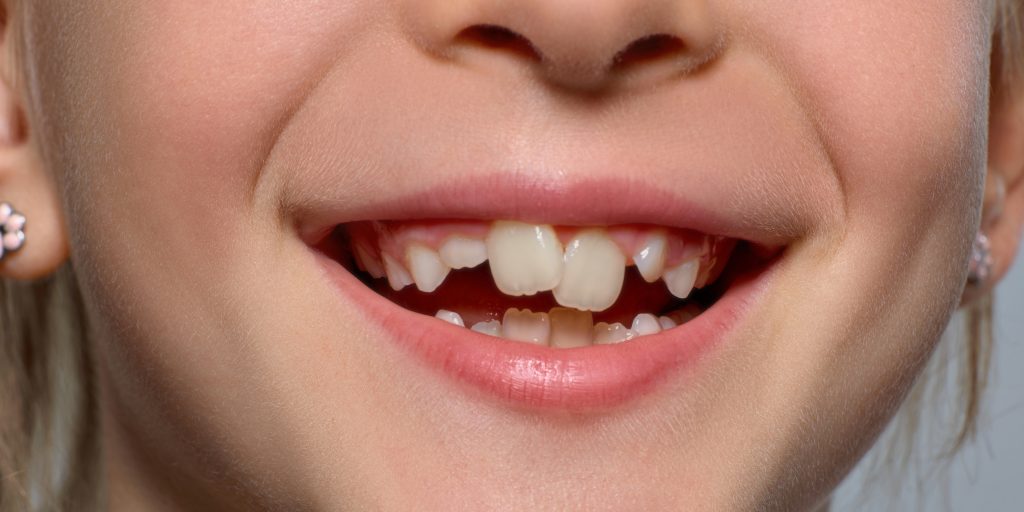
1. Crooked or Crowded Teeth
One of the most noticeable signs you may need orthodontic treatment is crooked or crowded teeth.
When teeth overlap, twist, or don’t have enough room to fit properly, brushing and flossing can become more difficult. These hard-to-reach areas may allow plaque and food particles to accumulate, increasing the risk of cavities and gum problems.
Braces or clear aligners can help gradually move teeth into better alignment, making them easier to clean and improving your smile.
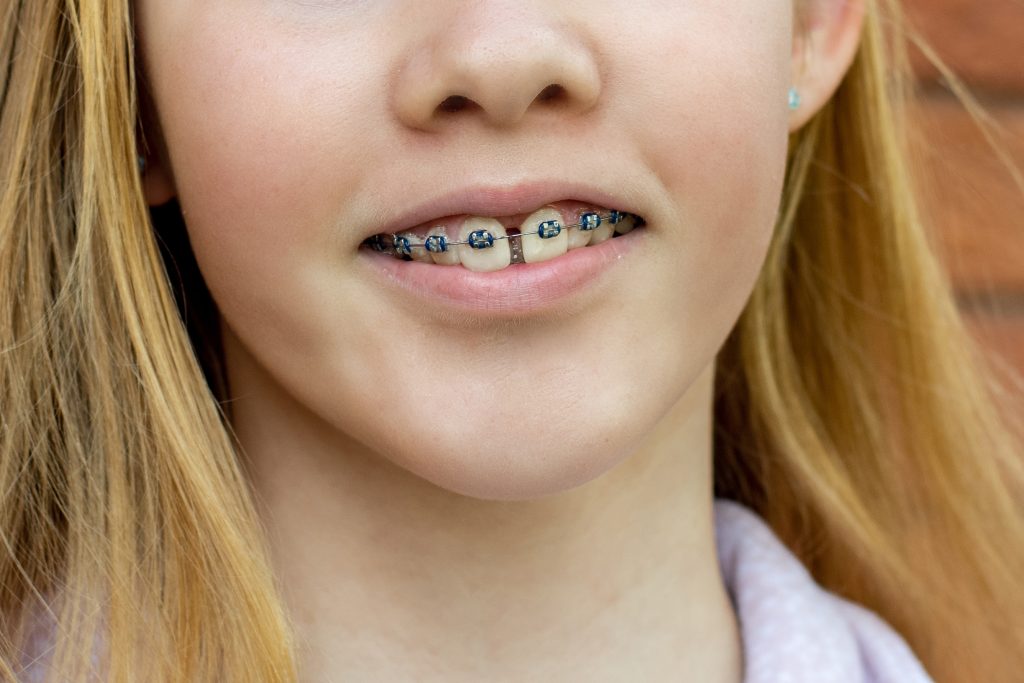
2. Gaps Between Your Teeth
Noticeable spaces between your teeth may be another sign that orthodontic treatment could help.
Gaps can develop for several reasons, including:
- Teeth that are smaller than average.
- Missing teeth.
- Differences between jaw size and tooth size.
- Natural spacing during dental development.
Although some gaps are purely cosmetic, spacing can sometimes affect your bite or allow nearby teeth to shift over time.
An orthodontist can evaluate the cause of the spacing and determine whether braces or clear aligners may help close the gaps.
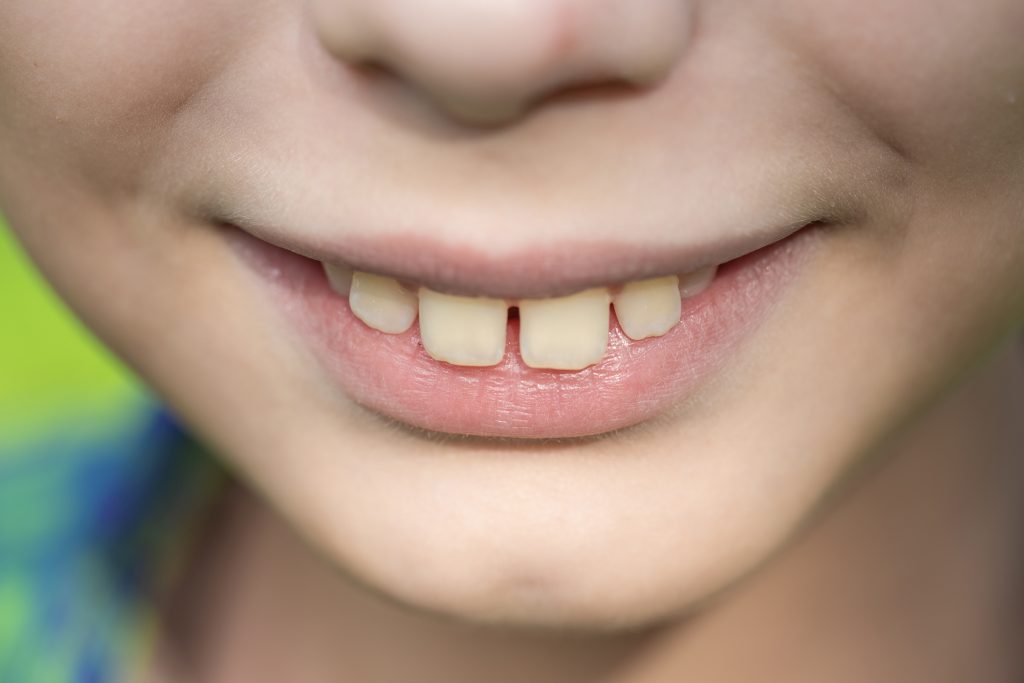
3. An Overbite, Underbite, Crossbite, or Open Bite
Your upper and lower teeth should fit together comfortably when you bite down. When they don’t, you may have a bite problem called a malocclusion.
Some common types include:
- Overbite: Your upper front teeth extend too far over your lower front teeth.
- Underbite: Your lower front teeth sit in front of your upper front teeth.
- Crossbite: Some upper teeth sit inside the lower teeth when you bite down.
- Open bite: Your upper and lower front teeth don’t touch when your mouth is closed.
Depending on the type and severity, bite problems can contribute to uneven tooth wear, difficulty chewing, and other dental concerns.
Orthodontic treatment can help improve how your teeth fit together and support a healthier bite.

4. Difficulty Biting or Chewing
Do you have trouble biting into certain foods or feel uncomfortable when chewing?
Difficulty chewing may be related to crooked teeth, misaligned jaws, or an uneven bite. You might even notice yourself chewing more on one side of your mouth to compensate.
If eating regularly feels uncomfortable or your teeth don’t come together properly, an orthodontic evaluation can help identify whether alignment or bite concerns are contributing to the problem.

5. Frequent Mouth Breathing or Snoring
Does your child frequently breathe through their mouth, snore, or seem to have difficulty breathing comfortably during sleep?
Some breathing concerns in children may be associated with jaw development, dental arch shape, or other airway-related factors.
An orthodontist can evaluate your child’s dental and jaw development to determine whether an orthodontic concern may be contributing to the issue.
However, mouth breathing and snoring can have several causes, including allergies and enlarged tonsils or adenoids. Orthodontic treatment isn’t a substitute for medical evaluation, especially when sleep-disordered breathing is suspected.
If your child regularly snores or struggles to breathe during sleep, speak with their pediatrician.

6. Jaw Discomfort, Popping, or Clicking
Jaw discomfort, popping, or clicking sounds when opening and closing your mouth can be signs of a temporomandibular disorder (TMD).
These symptoms may have several causes, including muscle tension, joint conditions, and other factors. Although bite alignment can be part of the evaluation, not all jaw discomfort is caused by a misaligned bite.
If you experience persistent jaw pain, limited movement, or frequent clicking, an orthodontist can evaluate your bite and help determine whether further assessment or a referral is appropriate.
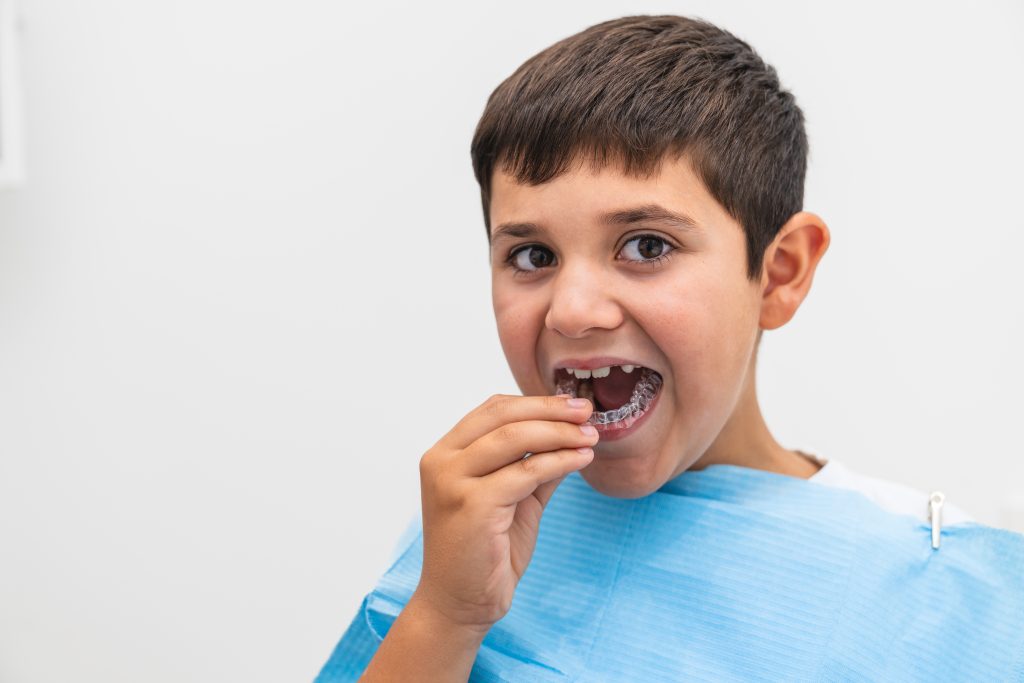
7. Early or Late Loss of Baby Teeth
For children, the timing of losing baby teeth can provide important clues about their developing smiles.
Baby teeth help maintain space for permanent teeth. Losing them too early or keeping them longer than expected can sometimes affect how permanent teeth erupt.
That’s one reason the American Association of Orthodontists recommends that children have their first orthodontic evaluation by age 7.
An early evaluation doesn’t necessarily mean your child needs braces right away. It simply gives an orthodontist an opportunity to monitor jaw growth, tooth development, and potential alignment concerns.
In some cases, early treatment may help guide developing teeth and jaws before problems become more complicated.
Why Choose Unique Orthodontics?
Choosing an orthodontist is an important decision, whether you’re exploring treatment for yourself or your child.
At Unique Orthodontics, we believe every patient deserves personalized care, a comfortable experience, and a smile they feel confident sharing.
Here’s what you can expect from our team:
- Experienced orthodontic care: Our team is led by Dr. John Bayrakdarian, D.M.D., with more than 20 years of orthodontic experience.
- Treatment options for all ages: We offer traditional metal braces, clear ceramic braces, and clear aligner options.
- Early orthodontic evaluations: We help parents understand their child’s dental development and whether early intervention may be beneficial.
- Convenient locations: With eight offices throughout the Central Valley, quality orthodontic care is close to home.
- Complimentary consultations: Explore your options and get answers to your questions without the pressure of committing to treatment.
Whether you’re interested in braces, clear aligners, or an evaluation for your child, we’re here to help you find the right path forward.
Frequently Asked Questions About Orthodontic Treatment
How do I know if I need braces?
Common signs you may need braces include crooked or crowded teeth, noticeable gaps, an overbite, underbite, crossbite, or difficulty biting and chewing. An orthodontist can evaluate your teeth and bite to determine whether treatment would be beneficial.
At what age should my child see an orthodontist?
The American Association of Orthodontists recommends that children have their first orthodontic evaluation by age 7. At this age, an orthodontist can check how permanent teeth are developing and identify potential concerns with jaw growth or tooth alignment.
Can adults get braces or orthodontic treatment?
Absolutely! Orthodontic treatment isn’t just for children and teenagers. Adults can benefit from braces or clear aligners to correct crowded teeth, close gaps, and improve bite alignment. As long as your teeth and gums are healthy, age alone doesn’t prevent you from pursuing treatment.
Are braces the only way to straighten teeth?
No. Depending on your orthodontic needs, you may be a candidate for traditional metal braces, clear ceramic braces, or clear aligners such as Invisalign®. Your orthodontist can help determine which option is appropriate for your smile.
How long does orthodontic treatment take?
Treatment time depends on the complexity of your case, the type of orthodontic appliance used, and how consistently you follow your treatment instructions. Many patients complete treatment within 12 to 24 months, although some cases take less or more time.
Does orthodontic treatment hurt?
You may experience mild soreness or pressure when you first get braces or clear aligners and after certain adjustments. This is normal as your teeth begin moving. Any discomfort is generally temporary and improves as your mouth adjusts.
Does dental insurance cover braces?
Some dental insurance plans include orthodontic benefits that help cover the cost of braces or clear aligners. Coverage varies by provider and plan, so it’s important to review your individual benefits. Our team can help you understand your coverage and explore available payment options.
Schedule Your Complimentary Orthodontic Consultation!
Noticing one or more of these signs doesn’t automatically mean you need braces. However, an orthodontic evaluation can help you understand what’s happening with your teeth and bite.
At Unique Orthodontics, we offer complimentary consultations for children, teens, and adults throughout the Central Valley. Our team will evaluate your smile, answer your questions, and walk you through your treatment options.
Ready to take the next step?
Schedule your complimentary consultation and discover how we can give you something to smile about!